
25 Little Ways to Make a Big Sustainability Impact
Use these quick tips to become more sustainable at home




Just like a squirrel collecting acorns, little efforts add up to a big impact. Sustainable changes work the same way. So, we've gathered 25 of our favorite sustainability picks in this handy-dandy article (and flipbook). Pick a few that work for you and watch your impact quickly stack up.
Then, share your commitment on social media alongside our adorable badge. Click here to snag yours.
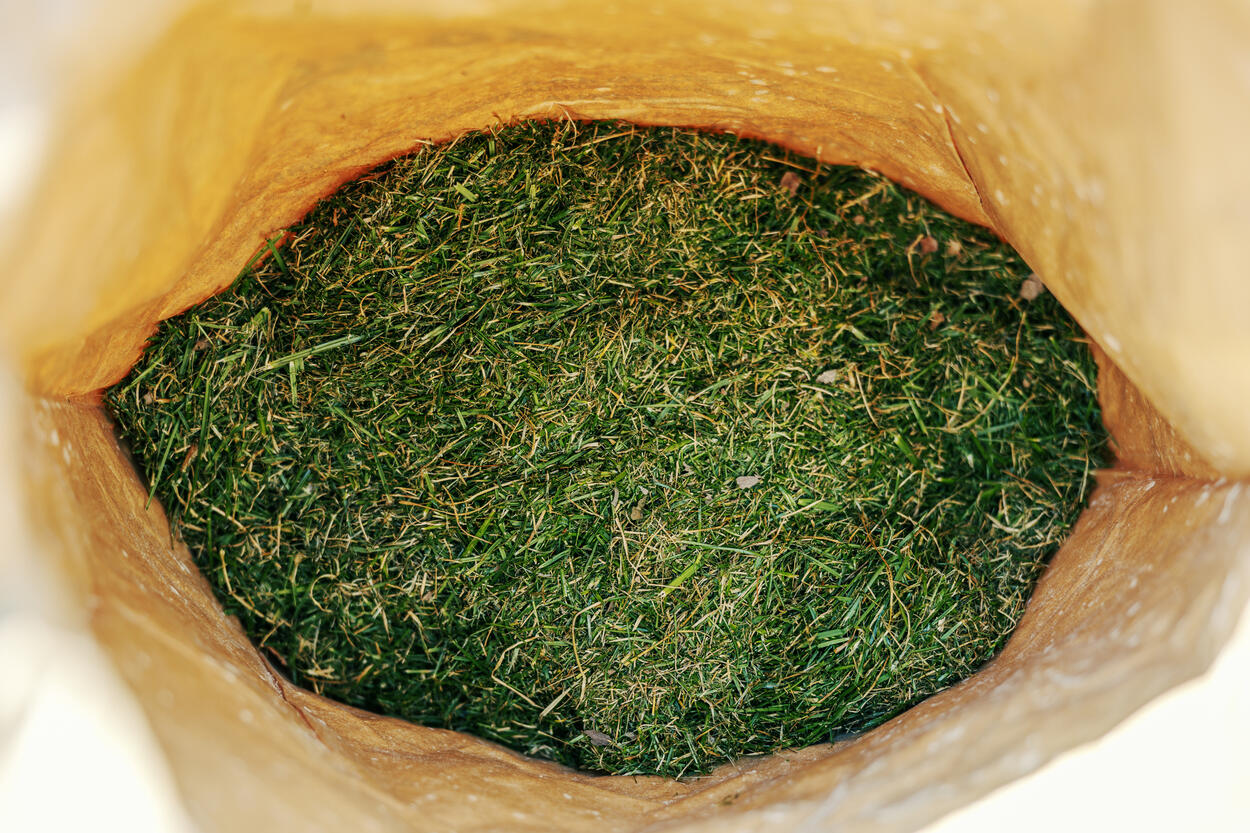
1. Compost or Mulch Green Debris*
Whether it's tree trimmings or grass clippings, don't send them to the landfill! That green waste can be a source of nourishment for your landscape. Mulching mowers cut clippings into tiny pieces that fall back into the lawn as fertilizer, while chippers turn what was pruned into mulch onsite.
2. Select Native Plants*
When installing a new landscape, or replacing plants in an existing one, make native plants a top choice. Native plants are better adapted to local soil and climate conditions, which in turn means they'll need less water, fertilizer, and pesticides once established. In addition to being lower maintenance, they're often a vital food source and habitat for pollinators and other local wildlife.
3. Utilize Eco-Friendly Pest Management Strategies*
Today, there are many non-toxic pest control options that are safer for the environment and humans. These include natural repellents, biological controls (like beneficial insects) and organic products, which can be used in combination for a more comprehensive solution. Ask your landscape partner how to make these part of your pest management program.
4. Swap Resealable Plastic Bags for Compostables
Many resealable plastic bags are made from polyethylene, a polymer that can take up to 1,000 years to break down in the soil. Worse, it releases microplastics that can be absorbed into crops or water streams. As an alternative, try compostable bags, which are made from plant-based, renewable materials that can degrade in soil in as few as 10 to 60 days, especially if you use a commercial composting service (For more on that, check out No. 15!).
5. Choose Electrified Landscape Equipment*
Don't settle for the status quo. Electrified landscape equipment can match or exceed gas-powered equipment in performance, without the noise and air pollution. For personal use, consider replacing your home equipment with newer electric tools. And for your commercial landscape service, request the use of zero-emission equipment on your property.
6. Plant a Windbreak*
If you're looking to reduce heating costs, plant a windbreak. The U.S. Department of Energy estimates a windbreak will reduce wind speed for a distance up to 30 times the windbreak's height, thereby lowering wind chill. Dense evergreen shrubs planted to the north or northwest of your home or building are the most common choice. For greater effect, combine them with a wall, fence, or berm.
7. Make a Meal Plan
Bard University estimates people throw out 1.3 billion tons of food every year—and the majority is sent to landfills. If food waste were a country, it would be the third-largest producer of carbon dioxide in the world. One of the easiest ways to combat this is by creating a weekly meal plan. Treat yourself to an attractive meal planning notebook or convenient app to make your new habit stick.
8. Conduct Regular Irrigation Audits*
Audits weed out the troublemakers in your irrigation system—like hidden leaks, runoff, broken sprinkler heads, and outdated zones or equipment—that silently waste resources and budget. Having a pro check your system once or twice a year will ensure issues are caught early, before they balloon into bigger problems.
9. Use Organic Mulch*
Organic mulch is landscape's ultimate multitasker. It nourishes your soil as it decomposes, suppresses weeds so you need less herbicide, conserves moisture so you can water less, regulates temperature, and prevents erosion. Just be sure to say no to chemically dyed and rubber mulches for maximum benefit.
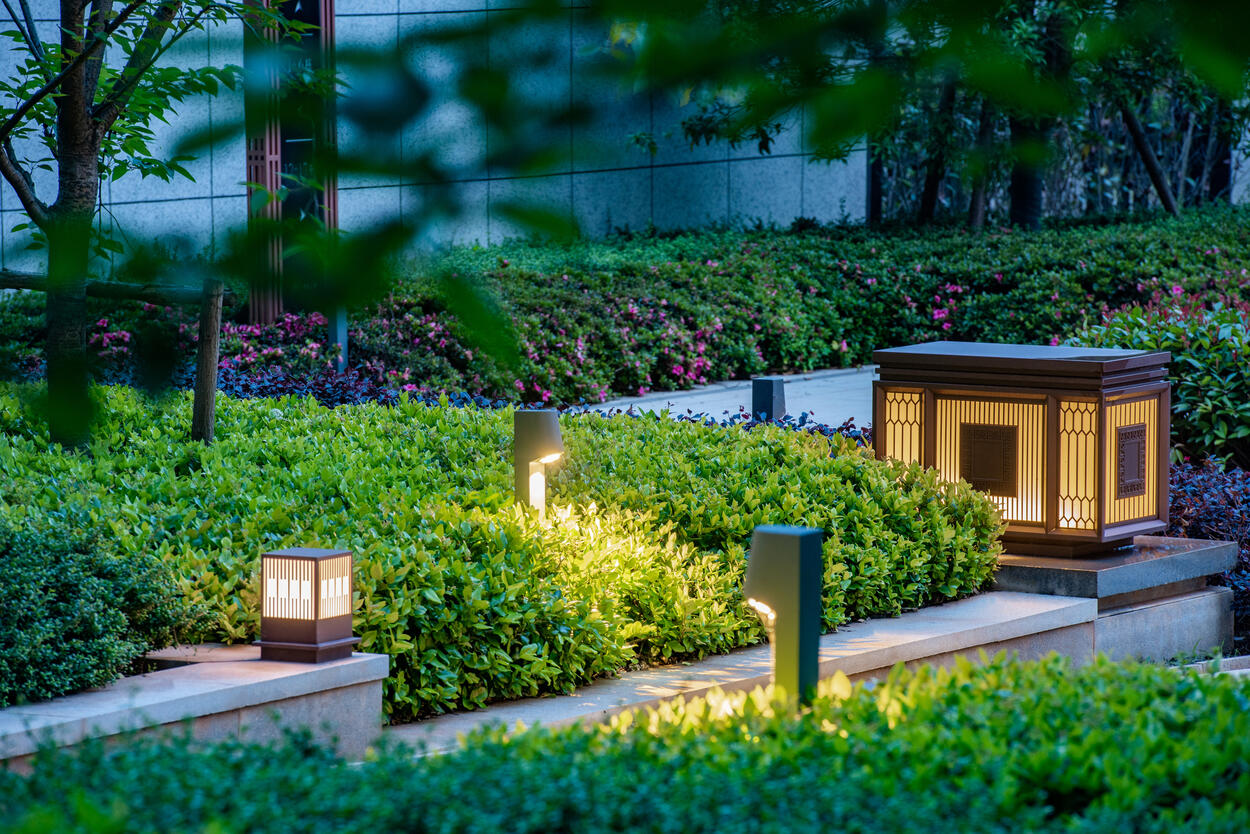
10. Select LED Lights*
This idea is especially bright. When installing new landscape or holiday lighting, go for LED varieties. You'll enjoy lower maintenance and lower electric bills. LED varieties consume 75- to 80-percent less energy than traditional halogen or incandescent bulbs and can last 50,000 hours or more under normal conditions.
11. Use Controlled-Release Fertilizers*
Controlled-release fertilizers (CRFs) are a win-win for plants and the environment. In addition to providing a steady supply of nutrients that match a plant's uptake rates, they also reduce the risk of leaching into groundwater. And here's another reason to love them: because CFRs last longer, less applications are needed, making them more cost-effective.
12. Plant More Trees*
If you're wondering whether adding more trees to your landscape would be worthwhile, the answer is probably yes. Trees are crucial to combating climate change and improving air quality. Plus, numerous studies show they reduce energy costs for cooling, improve property values, and even boost our mental health. What's not to love?
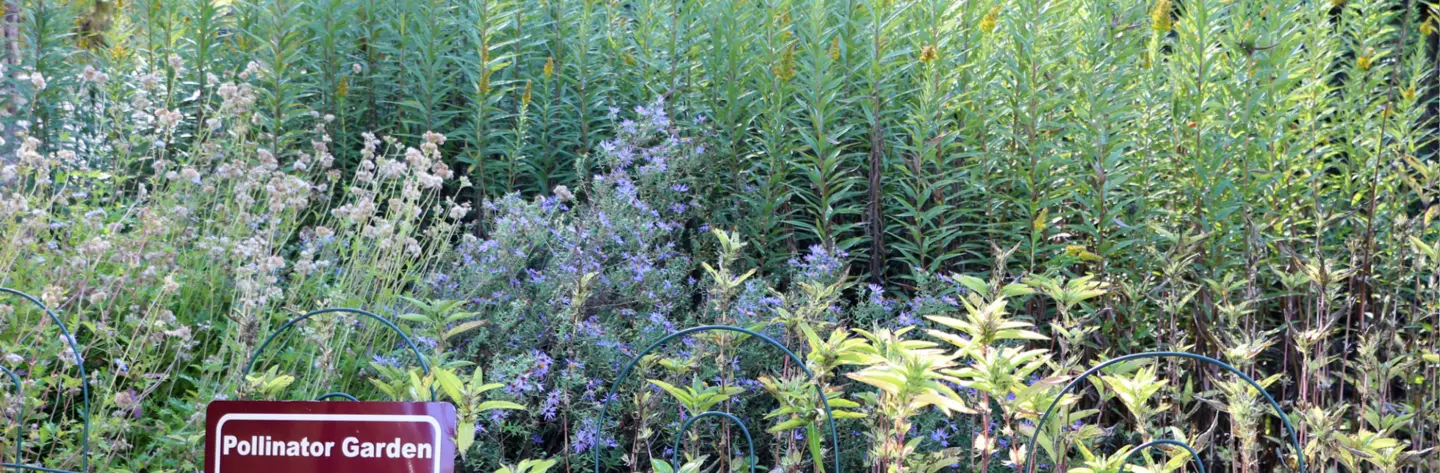
13. Create a Pollinator Garden*
Show some love to your local pollinators and enjoy a riot of color in return. Creating a pollinator garden is easier than you think. Simply select a sunny spot, plant a diverse selection of native flowers, include larval host plants (such as milkweed), and avoid using pesticides that could harm your bees, butterflies, and other beneficial insects. For year-round interest, we like to stagger plants that bloom in each season.
14. Compost Kitchen Waste
Those kitchen scraps aren't trash. They're the start of a nutrient-rich fertilizer for your garden. But that's not the only benefit. Composting your kitchen waste also reduces landfill methane emissions and lowers your carbon footprint. With lots of attractive in-home composting devices now available, it's never been easier (or faster) to start composting. Alternatively, leave it to the pros and hire a service. Search "composting services" in your town to find a provider near you.
15. Update Your Irrigation System*
The latest irrigation technology makes watering your landscape more efficient than ever. By delivering precise amounts of water in the most effective way possible, these solutions can reduce water consumption by as much as 50 percent while boosting plant health. For example, consider swapping older fixed spray heads to more efficient rotary nozzles or drip emitters. Or, if you have a manual controller, it may be time to upgrade to a smart controller, which can adjust watering schedules based on real-time local weather and soil conditions. Not sure where to begin? An irrigation audit (see No. 8) will eliminate the guesswork.
16. Choose Permeable Surfaces*
When it comes to selecting a material for new patios or pathways, choose permeable surfaces when possible. Gravel, decomposed granite, and permeable pavers are just a few examples of more sustainable choices than poured concrete slabs. They allow water to seep into the ground, promoting groundwater recharge and reducing runoff, puddling, and flooding. Bonus: they also filter pollutants through aggregate layers, improving water quality.
17. Conduct Regular Soil Tests*
Periodic soil testing provides a wealth of diagnostic information, including pH levels, nutrient availability, and physical structure. With this information, it's easier to troubleshoot what's ailing your plants and better tailor fertilizer applications and soil amendments. That precision enables a more robust, resilient landscape, and most importantly, reduces unnecessary fertilizer and chemical applications.

18. Use FSC-Certified Wood*
For wood decks, fences, and other structures, use only Forest Stewardship Council (FSC) certified wood. This timber has been harvested from forests that meet the council's standards for sustainable harvesting, biodiversity protection, and protection of water quality.
19. Create Customized Watering Zones*
Instead of taking a one-size-fits-all approach to watering, consider hydrozoning. Hydrozoning is the practice of grouping plants with similar water needs into designated irrigation zones. This makes it possible to set specialized watering schedules that give each zone precisely the amount of water it needs. Not only does this reduce the risk of over- or underwatering, but it also means less fungal infections and stressed plants.
20. Use Liquid Anti-Icers in the Winter*
Liquid anti-icer applied before ice or snow arrives reduces salt use by approximately 50 percent. That means less chloride runoff into waterways and soil. And, because liquid anti-icers stay where they're applied, damage to vegetation and infrastructure is also minimized.
21. Bring Reusable Grocery Bags
The World Wildlife Foundation estimates plastic bags are one of the greatest threats to ocean wildlife. During the 20 years a plastic bag takes to biodegrade, it will break into increasingly smaller pieces, each with the potential to cause tremendous harm. The best way to combat this is by keeping a stash of reusable grocery bags in your trunk. Not only are they stronger, but there are so many fun options to choose from!
22. Create a Rain Garden*
If you've noticed your landscape has soggy spots after a storm, a rain garden could be an attractive and sustainable solution. When properly designed, a rain garden collects water in a shallow depression, allowing it to percolate into the soil and replenish underground aquifers. Plus, the plants and soil filter out pollutants from the runoff and reduce erosion.
23. Recycle Old Hardscape*
Ripping out old concreate, brick, stone, or pavers? They may have a second life. Many old hardscape materials can be recycled or repurposed, reducing waste and disposal costs. For example, at BrightView, we've used recycled concrete from old walkways as a subbase for new hardscape projects. Find out what's possible for your next project!
24. B.Y.O.C.
B.Y.O.C.—bring your own cup to the café, that is! It's an easy way to reduce waste if you enjoy a regular coffee treat. Bonus: if it's an insulated variety, your drink will stay hot or cold longer.
25. Convert Your Turf*
Got some unused lawn space? Swap it out for lower maintenance ground cover, or native, drought-tolerant choices that support your local pollinators. You'll save money on watering and maintenance costs. Or, if you're not ready to do away with turf entirely, increase the size of your surrounding planting beds to capture some of the same benefit.
Now that we've lit the spark, let's put your sustainable solutions in motion.
*Psst! Wherever you see this symbol, we can implement the solution for you! It's as easy as a single call.