
Don’t Be Fooled by the Lilac-Ash Borer
It's not your average moth



What looks like a friendly pollinator, but is definitely a foe? It’s the lilac-ash borer. And if you’re not yet familiar with this wolf in sheep’s clothing, it’s time to get acquainted. Finding one (or many… yikes!) in your landscape could spell big trouble.
Identifying the Lilac-Ash Borer
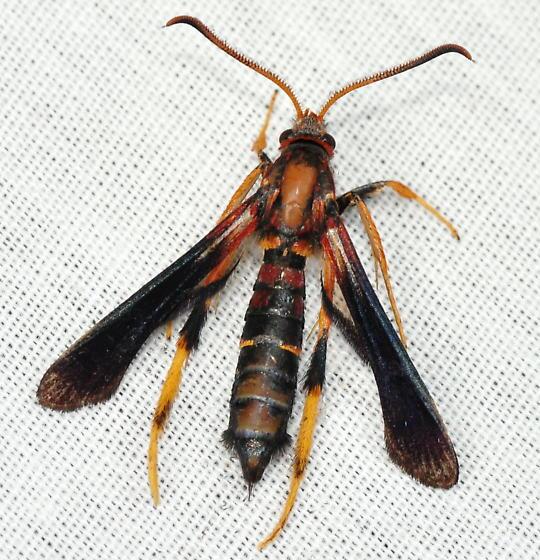
The lilac-ash borer is a clear-winged moth similar in appearance to a wasp. With a black body and yellow bands on its belly, it’s easy to mistake for a paper wasp; it even flies like one, too. And if that’s not confusing enough, unlike other moths, the lilac-ash borer is active during the day. Just as the name suggests, it attacks lilac, ash, and privet trees, as well as other members of the Oleaceae family, on occasion.
Each spring, this frustrating pest picks trees throughout the U.S. and Canada to lay their eggs. The eggs hatch just 14 days later, releasing larvae who feed beneath the bark, eventually boring into the sapwood. When the weather cools, the mature larvae overwinter in the heartwood. Come next spring, the newly-minted adults emerge, and the cycle continues.
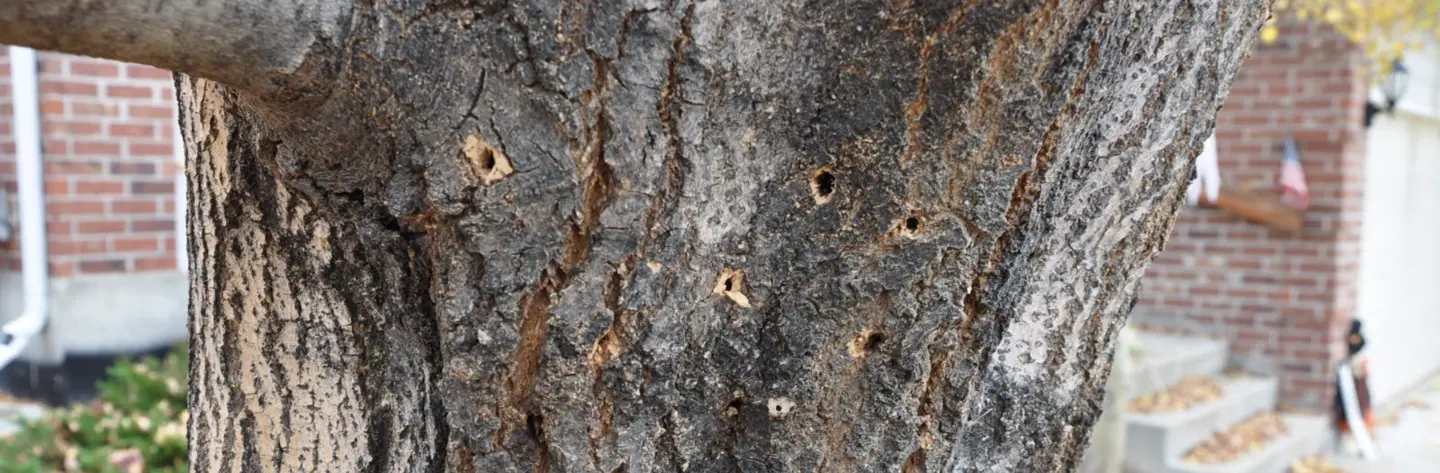
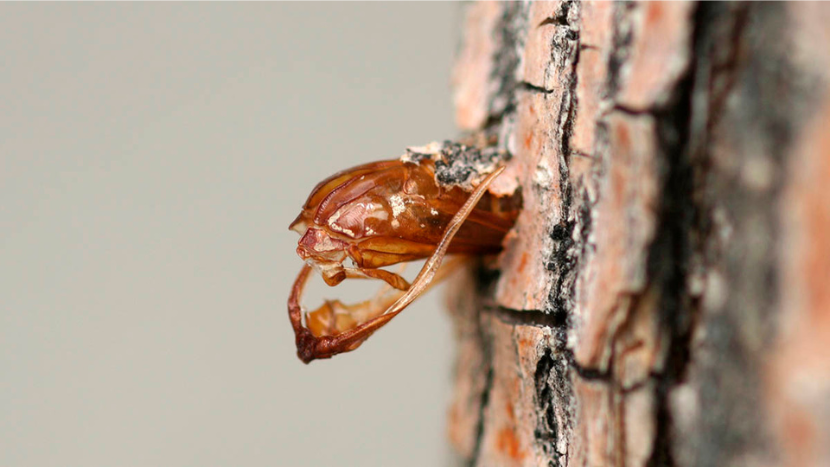
In their wake, borers leave tunnels in the tree, which can measure more than a foot long and a 1/3-inch wide. A telltale sign of their handiwork is frass (a fancy name for insects’ sawdust-like excrement) at the entrance hole. You may also see emergence holes in the tree’s bark. You’ll know it when you see it: there’s a tree bark flap flipped outward like a door, with the reddish-brown pupal skin the borer shed before emergence protruding from the hole.
Symptoms of Lilac-Ash Borer Infestation
In addition to tunnels and emergence holes, your trees may show other signs they’re suffering from a borer infestation. Limb dieback is a common symptom, as is a decrease in plant vigor. You may also notice the tree has become more susceptible to wind damage. Worse, if your trees are under other environmental stresses, infestations can easily become more severe.
Borers tend to attack the lower trunk of a tree first, but can be found as high as 25 feet. And they don’t stick to trunks either. They’ll gladly attack branches, too.
How to Get Rid of Lilac-Ash Borers
When it comes to dealing with lilac-ash borers, preventative measures are crucial. Insecticide applied at regular intervals to the trunk and limbs during the egg laying period each spring will keep larvae from making their way through the bark. Your arborist may also recommend installing pheromone traps to capture adult male borers. The appearance of the borers in the traps can help inform the timing of the pesticide application for maximum effectiveness.
In the event a tree already has lilac-ash borers present, swift action is key. Even just a few larvae can cause significant damage to the tree. Damaged limbs should be removed to isolate the infestation and properly disposed of, according to local regulations, to prevent spread. Galleries within the trunk can be injected with a beneficial nematode, which will infect and kill the larvae. The timing makes a difference, though; the application must happen while the entry holes are still open.
Ultimately, one of your best defenses against lilac-ash borers is a comprehensive plant health care program administered by a certified arborist and knowledgeable tree care team. Not only are healthy trees less susceptible to infestation, but regular inspection and pruning will ensure problems are caught early while they’re still easily treatable.
Need a helpful friend in the fight against this pesky foe? Call on your local BrightView team.


