
Turn Your Easter Egg Leftovers into Landscape Wins
Simple, sustainable ways to give eggshells and cartons a second life



One of the things most synonymous with spring break and the Easter holiday is the egg. We use plastic ones filled with chocolates, candy, and trinkets, hiding them around our homes or placing them in baskets. We also dye or paint real eggs and enjoy them later as hardboiled treats.
Easter and eggs have been connected since ancient times, when eggs were seen as a symbol of renewal and regeneration during the spring season. Even Emperor Alexander III of Russia commissioned Peter Carl Fabergé to create an ornate, jeweled Easter egg for his wife, introducing the first Fabergé egg in 1885.
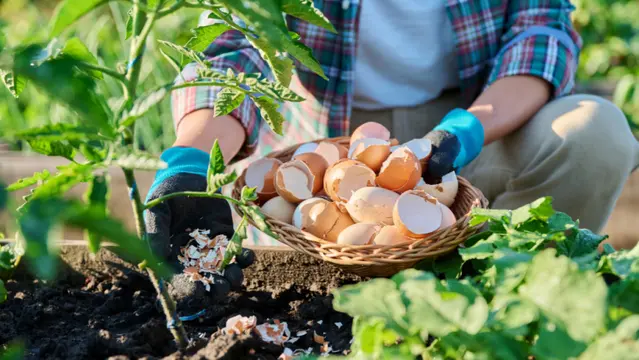
Once the celebrations are over and the baskets are empty, you’re often left with something less glamorous: a pile of eggshells and cartons. However, instead of just tossing them in the trash, those leftovers can play a valuable role in your landscape.
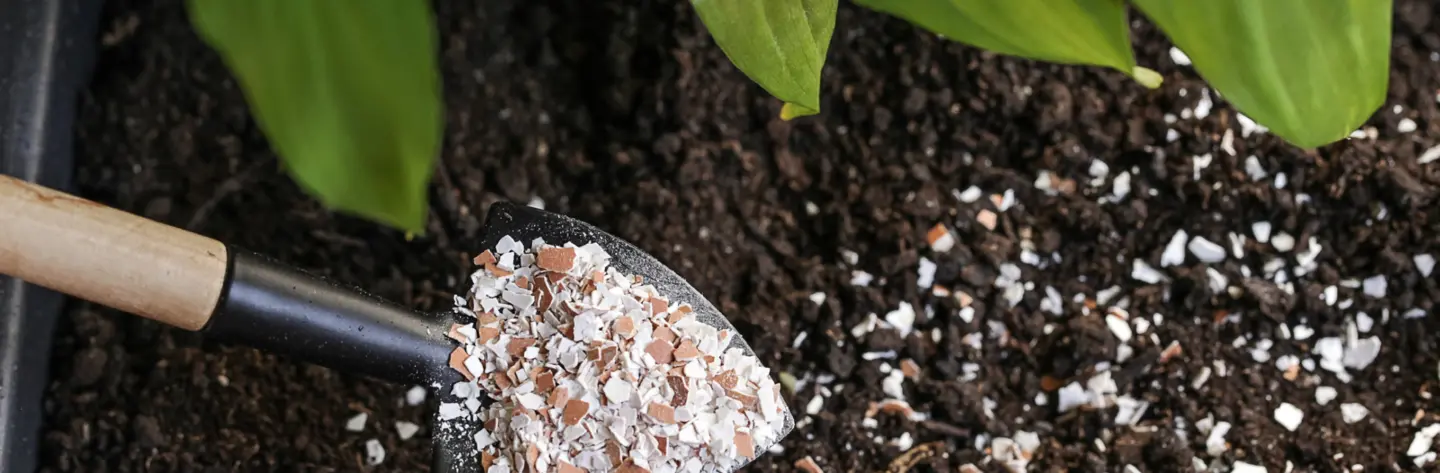
You just made all these hardboiled eggs, so what can you do with all those eggshells? Clean eggshells are surprisingly beneficial to your landscape. Leaving broken pieces around tender shoots can help deter pests with soft undersides, such as slugs. If you crush the shells and mix them into the soil around tomato plants, they add calcium and help prevent blossom end rot. The same calcium boost also makes eggshells a great addition to compost bins.
Make sure you don’t skip one crucial step before adding your eggshells to your garden or composting bin: grind them up. If you leave shells in large pieces, the calcium stays locked inside. It’s the calcium carbonate that gives eggshells their strength.
According to Christopher Enroth, a horticulture educator at the University of Illinois Urbana-Champaign, one of the best ways to get the most out of the shells is to use a coffee grinder to turn them into a fine powder.
If grinding isn’t an option, another trick is to boil a dozen or so shells for 10 to 15 minutes, then let the whole pot sit overnight. Strain the liquid and use it as a calcium-rich solution for your plants. You can apply about two cups per plant every two weeks.
Now that you’ve dined on your hardboiled and deviled eggs and repurposed the shells, it’s time to find a use for your egg cartons.
Even cartons can benefit your landscape in a few ways. First, make sure they’re made from paper pulp and not foam. Foam is harmful to the environment, while paper pulp is simply a mixture of paper and water.
Paper pulp cartons can be reused in several ways. Your first option is to tear them up and lay them over the soil as a light layer of mulch to help retain moisture while adding organic material as it decomposes. Another option is to fill each section with soil and use the carton as a seed starter until the seedlings are ready to be transferred. Finally, just like the eggshells, torn cartons can be added as brown material in compost bins.
One thing to note, as Southern Living points out, is that some cartons may contain bleaches, contaminants, or printed inks. Look for cartons labeled “compostable” or those printed with soy-based ink whenever possible.
At BrightView, it’s these small, thoughtful choices that can make a big impact over time. Whether it’s repurposing everyday materials, improving soil health, or finding sustainable ways to care for outdoor spaces, our teams are always looking for practical solutions that benefit both our clients’ landscapes and the environment. Creating vibrant, healthy spaces isn’t just about what you plant, but also about how you care for everything around it.
This article was researched from Encyclopedia Britannica, Fabergé, Martha Stewart, Southern Living, University of Illinois Urbana-Champaign.


