Staying Safe While Behind the Wheel
Safety in Focus: Driving & vehicle operation
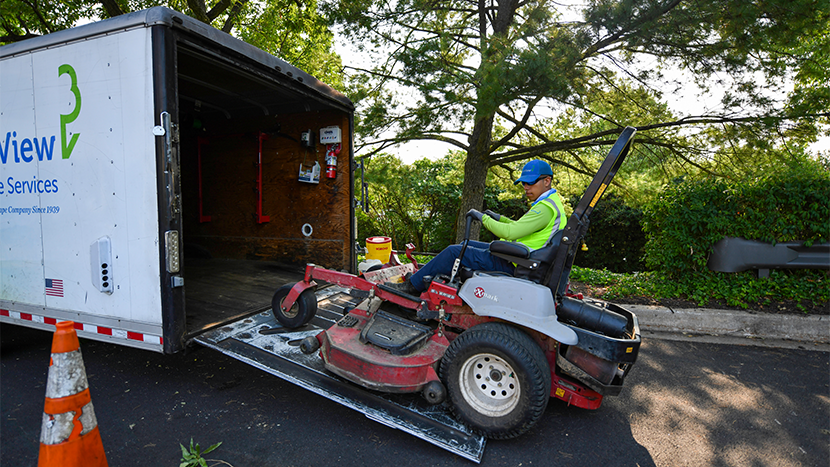
From riding mowers to trucks, being behind the wheel means safety is at the forefront of everything you do.
At BrightView, safety is more than a program—it’s a promise.
Last week we talked about how awareness and simple actions can prevent slip and fall incidents. During week four of our National Safety Month observance, we’re putting the spotlight on a critical topic for many of our teams: safe driving and roadway safety.
Every day, BrightView team members drive trucks, tow equipment, and work along busy roadways to deliver outstanding service for our customers. While vehicles and equipment help us get the job done, they also introduce risk. Across many industries, vehicle-related incidents remain one of the leading causes of serious injuries, but the good news is that most of them are preventable.
“Roadway safety involves a dual approach of responsible driving and, for workers, proactive hazard management near live traffic,” said MJ Sykora, Environmental, Health and Safety Manager.
Preventing roadway incidents starts with simple but important habits:
Stay focused while driving. Avoid distractions like phones or other devices.
Wear seat belts at all times. It’s one of the simplest ways to protect yourself.
Drive defensively. Be aware of traffic, pedestrians, and changing road conditions.
Maintain safe distances. Give yourself time and space to react.
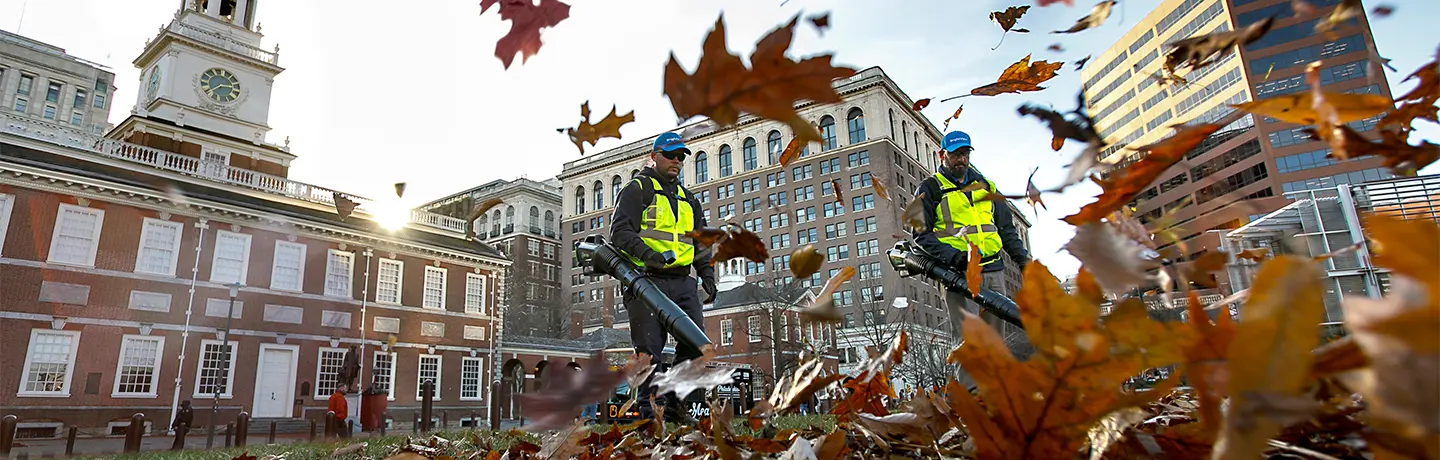
Use high-visibility gear when working near roadways. Make sure drivers can see you.
Whether you’re traveling between job sites, towing equipment, or working alongside a busy street, safe driving protects not only you and your teammates but also the communities we serve.
It’s also important to remember that if there is an incident, team members must report it to their manager and safety representative in a timely manner.
At BrightView, we believe working safely is working smart. By making safe driving a priority every day, we protect what matters most: our people.
Preventing Slips, Trips, and Falls
Safety in Focus: Avoid the leading cause of injury on the job
To further help our team members stay safe, BrightView provides safety shoes on a regular basis.
At BrightView, safety is a core part of how we work.
Last week we talked about how ergonomic safety is more than lifting heavy objects. During week three of National Safety Month, we’re highlighting key areas where awareness and simple actions can prevent injuries. One of the most common risks in any workplace, whether in the field or at an office location, is slips, trips, and falls.
These incidents can happen quickly and often result from everyday hazards, such as uneven surfaces, cluttered walkways, wet ground, or poor visibility. Fortunately, many of these injuries are preventable when teams stay alert and maintain safe work environments.
“Most slips, trips, and falls happen when we’re rushing or not paying attention to the environment around us,” said Sanjay Paladiya, Environmental Health and Safety Manager. “By slowing down, keeping work areas clean, and staying aware of surface conditions, our teams can prevent many of these injuries.”
You can reduce risk by following a few important safety practices:
Keep walkways and work areas clear of tools, equipment, and debris
Be aware of wet, muddy, or icy surfaces, especially during changing weather conditions
Wear proper footwear with good traction
Maintain good lighting when working early in the morning or later in the day
Use handrails when available and avoid rushing between tasks
Report damaged sidewalks, uneven ground, or other tripping hazards immediately
Use caution when stepping in and out of vehicles or equipment
Secure hoses, extension cords, and other materials that may create trip hazards
Stay alert and avoid distractions such as mobile phones while walking through work zones
Follow designated walk paths and safety procedures at all job sites
Stretch and warm up before physically demanding tasks to improve balance and mobility
Carry loads carefully and make sure your vision is not blocked while walking
Communicate with coworkers when moving equipment or working in shared spaces
Clean up spills, mud, or loose materials as soon as possible
Take extra precautions when working on slopes, hills, or uneven terrain
Even small actions can make a big difference when it comes to preventing injuries. Taking an extra moment to inspect your surroundings, slow down during busy tasks, or address hazards immediately can help create a safer environment for everyone on site.
Safety awareness is especially important during the summer months, when teams may encounter changing weather conditions, uneven terrain, and increased foot traffic at job sites. Staying focused and communicating with coworkers throughout the day helps reduce risks and reinforces a culture where safety always comes first.
Safety is everyone’s responsibility. By staying aware and looking out for one another, we can ensure everyone goes home safely at the end of the day.
Preventing Lifting and Ergonomic Injuries
Safety in Focus: Lift smart, live well
At BrightView, safety isn’t just something we practice on the jobsite—it’s a mindset that protects us wherever we are.
Last week we talked about how BrightView arborists reduce risk by following key safety practices. During week two of National Safety Month, the focus is on one of the most common, and most preventable, workplace injuries: lifting and ergonomic strain.
Whether loading tools into a truck, moving bags of mulch, or lifting something at home, the way we move matters. Many lifting injuries don’t come from major accidents. They come from everyday movements repeated the wrong way.
Doing every job the right way is critical to ensuring a job well done.
“Ergonomic safety is about more than lifting heavy objects,” said Paul Croshaw, Manager of Environmental Health and Safety. “It’s about how we move, how we position our bodies, and how we prepare ourselves for the work ahead. When we build safe movement habits at work, they carry into everything we do.”
The impact of ergonomic injuries often extends far beyond the workplace. A strained back or injured shoulder can affect everything from playing with your kids to completing simple daily tasks at home. That’s why taking care of your body on the job is also an investment in your quality of life outside of work. Safe movement habits help ensure team members can continue doing the things they enjoy, both professionally and personally.
Creating a culture of ergonomic safety also means looking out for one another. Sometimes the safest choice is slowing down, speaking up, or offering help to a teammate handling a difficult lift. At BrightView, safety is built through teamwork, communication, and the understanding that every employee has a role in protecting themselves and those around them. When safe habits become part of the daily routine, they strengthen not only individual performance, but the entire team.
Simple habits and proper lifting techniques can significantly reduce the risk of injury in the workplace and during physical tasks:
• Lift with your legs, not your back—bend at the knees and keep your back straight • Keep loads close to your body to reduce strain and improve control • Avoid twisting while carrying weight—turn your whole body using your feet • Maintain a stable stance with your feet shoulder-width apart for better balance • Use both hands to ensure a firm, secure grip on objects • Test the weight of a load before lifting to avoid overexertion • Ask for assistance or use mechanical equipment when handling heavy or awkward items • Plan your path before carrying a load and remove any tripping hazards • Avoid lifting objects above shoulder height whenever possible • Take breaks during repetitive tasks to prevent muscle fatigue and strain • Wear proper footwear with good traction to reduce slips and falls • Stretch and warm up before and after physical activity to improve flexibility and reduce tension
Back, shoulder, and joint injuries can take weeks or months to recover from, but they are often preventable with the right preparation and technique.
At BrightView, safety is a shared responsibility. Small choices made every day help protect our teams, our families, and our future.
It’s also important to remember that if there is an incident, team members must report it to their manager and safety representative in a timely manner.
Let’s lift smart, move with purpose, and continue to build a culture where safety comes first.
BrightView Celebrates Annual Employee Appreciation Week
At BrightView, serving our customers starts with serving those who we value most: our team members
BrightView's President and CEO, Dale Asplund, hands out sweet treats to team members in the early morning hours as they head out to serve customers during BrightView's annual Employee Appreciation Week.
At BrightView, the focus is on customers and their needs—24/7/365. From designing and developing landscapes to maintaining them and everything in between, the company takes pride in delivering consistent care.
That level of service is made possible by team members who go above and beyond every day.
During Employee Appreciation Week (April 20 to 24), BrightView took time to further recognize those relentless contributions across the organization.
Branches celebrated in ways that reflect the company’s people-first culture—shared meals, team gatherings, and simple moments of recognition. More than a single week, these moments highlighted the pride, teamwork, and dedication employees bring year-round.
“Every day, I’m inspired by the passion and commitment of our teams,” said Dale Asplund, BrightView’s President and CEO. “Our team members make a meaningful difference for our customers and communities, and it’s what drives BrightView forward. Thank you for everything you do.”
Held during National Lawn Care Month and World Landscape Architecture Month, the timing underscored the impact of the work being done across the country. Teams continue to shape and care for the environments where people work, live, play, and gather.
As the week concludes, the recognition continues—because it’s BrightView’s people who make the company an industry leader and a great place to work.
Turn Your Easter Egg Leftovers into Landscape Wins
Simple, sustainable ways to give eggshells and cartons a second life
One of the things most synonymous with spring break and the Easter holiday is the egg. We use plastic ones filled with chocolates, candy, and trinkets, hiding them around our homes or placing them in baskets. We also dye or paint real eggs and enjoy them later as hardboiled treats.
Easter and eggs have been connected since ancient times, when eggs were seen as a symbol of renewal and regeneration during the spring season. Even Emperor Alexander III of Russia commissioned Peter Carl Fabergé to create an ornate, jeweled Easter egg for his wife, introducing the first Fabergé egg in 1885.
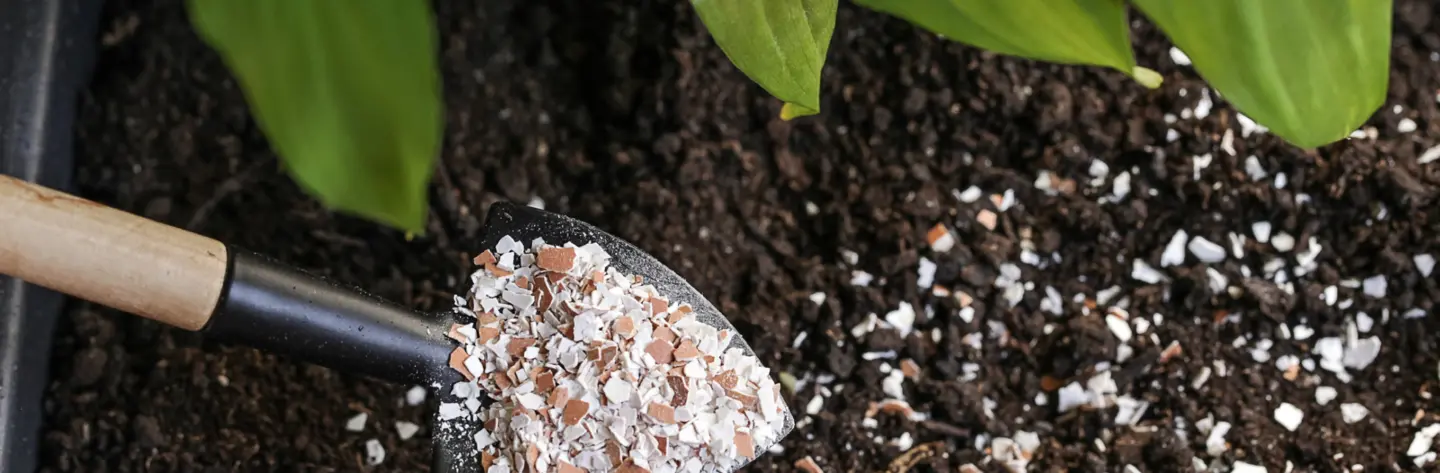
If you crush eggshells and mix them into the soil around tomato plants, they add calcium and help prevent blossom end rot.
Once the celebrations are over and the baskets are empty, you’re often left with something less glamorous: a pile of eggshells and cartons. However, instead of just tossing them in the trash, those leftovers can play a valuable role in your landscape.
You just made all these hardboiled eggs, so what can you do with all those eggshells? Clean eggshells are surprisingly beneficial to your landscape. Leaving broken pieces around tender shoots can help deter pests with soft undersides, such as slugs. If you crush the shells and mix them into the soil around tomato plants, they add calcium and help prevent blossom end rot. The same calcium boost also makes eggshells a great addition to compost bins.
Make sure you don’t skip one crucial step before adding your eggshells to your garden or composting bin: grind them up. If you leave shells in large pieces, the calcium stays locked inside. It’s the calcium carbonate that gives eggshells their strength.
According to Christopher Enroth, a horticulture educator at the University of Illinois Urbana-Champaign, one of the best ways to get the most out of the shells is to use a coffee grinder to turn them into a fine powder.
If grinding isn’t an option, another trick is to boil a dozen or so shells for 10 to 15 minutes, then let the whole pot sit overnight. Strain the liquid and use it as a calcium-rich solution for your plants. You can apply about two cups per plant every two weeks.
Now that you’ve dined on your hardboiled and deviled eggs and repurposed the shells, it’s time to find a use for your egg cartons.
Even cartons can benefit your landscape in a few ways. First, make sure they’re made from paper pulp and not foam. Foam is harmful to the environment, while paper pulp is simply a mixture of paper and water.
Paper pulp cartons can be reused in several ways. Your first option is to tear them up and lay them over the soil as a light layer of mulch to help retain moisture while adding organic material as it decomposes. Another option is to fill each section with soil and use the carton as a seed starter until the seedlings are ready to be transferred. Finally, just like the eggshells, torn cartons can be added as brown material in compost bins.
At BrightView, it’s these small, thoughtful choices that can make a big impact over time. Whether it’s repurposing everyday materials, improving soil health, or finding sustainable ways to care for outdoor spaces, our teams are always looking for practical solutions that benefit both our clients’ landscapes and the environment. Creating vibrant, healthy spaces isn’t just about what you plant, but also about how you care for everything around it.
Celebrating Landscaping Trailblazers: André Le Nôtre
The mastermind of France’s grand gardens
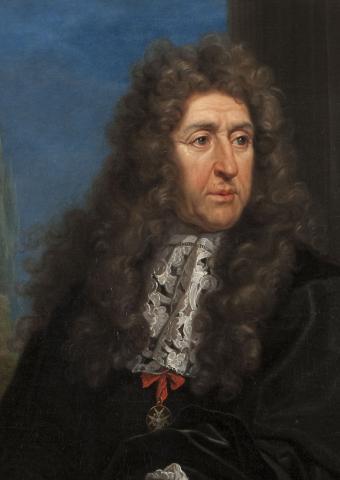
André Le Nôtre (Photo courtesy of Château de Versailles)
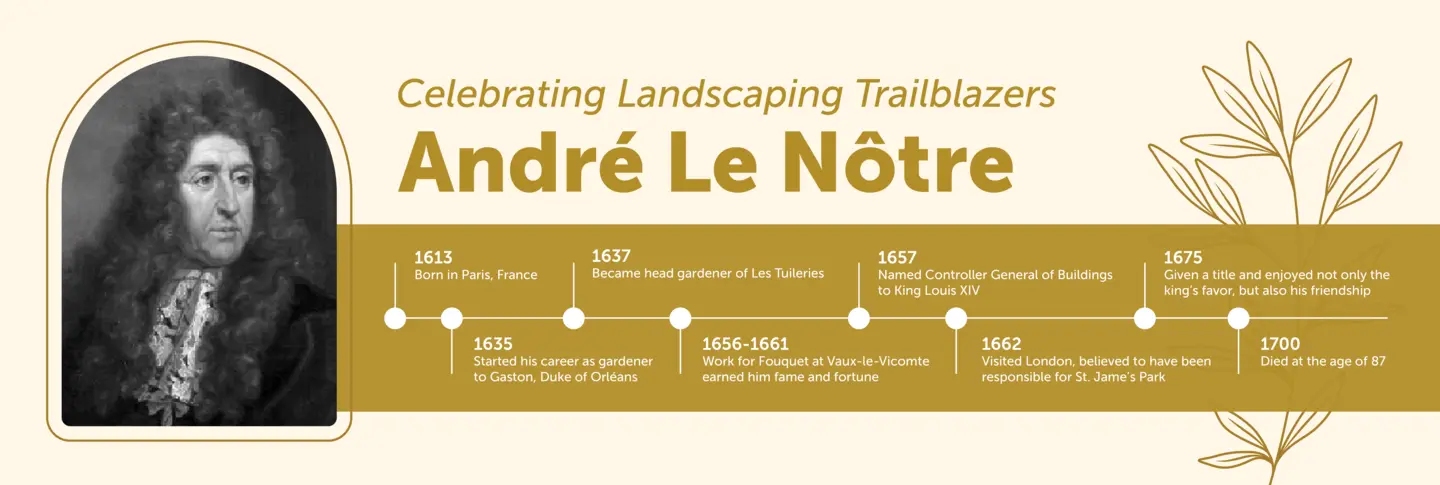
André Le Nôtre, born in Paris on March 12, 1613, is widely regarded as one of the most influential landscape architects in history. Best known for shaping the iconic gardens of Versailles, he transformed the principles of perspective, symmetry, and long-view design into an entirely new language that would influence urban planning and landscape architecture for centuries.
Le Nôtre came from a line of royal gardeners, and his early environment at the Tuileries shaped his artistic foundation. He studied optics and perspective under painter François Vouet, giving him a rare ability to manipulate space with precision. After beginning his career, he succeeded his father as head gardener of the Tuileries, where he introduced sweeping perspectives that hinted at his grand visions to come.
His breakthrough arrived with the estate of Vaux-le-Vicomte, where he combined long axes, masterful water engineering, and carefully orchestrated visual effects to create a landscape unlike anything France had seen. The accolades from this project caught the attention of King Louis XIV, who summoned him to undertake the monumental redesign of Versailles.
At Versailles, Le Nôtre transformed uneven, muddy wetlands into a vast, orchestrated world of light, shadow, and geometry. He extended the palace’s central axis into the horizon, carved out groves hidden behind twisted paths, balanced strict symmetry with moments of surprise, and shaped water features that magnified the scale of the grounds. The result became the pinnacle of French garden design and a blueprint for modern urban planning, inspiring cities and designers across Europe and even influencing the early plan of Washington, D.C.
Beyond Versailles, Le Nôtre left lasting designs at Saint-Cloud, Sceaux, Saint-Germain-en-Laye, Fontainebleau, the Trianon, and countless other grand estates. Louis XIV appointed him Controller General of Buildings and stayed close until his passing on Sept. 15, 1700, at 87 years old.
Centuries later, Le Nôtre’s legacy still guides our industry. His belief that landscapes should be purposeful, inspiring, and rooted in human experience mirrors the approach BrightView takes today. Whether planning dynamic outdoor environments or maintaining the spaces people rely on every day, we continue to uphold the same commitment to thoughtful design and lasting impact that defined his work.
As we innovate, embrace sustainable approaches, and shape the green spaces of tomorrow, the spirit of visionaries like Le Nôtre reminds us that truly great landscapes endure far beyond their time.
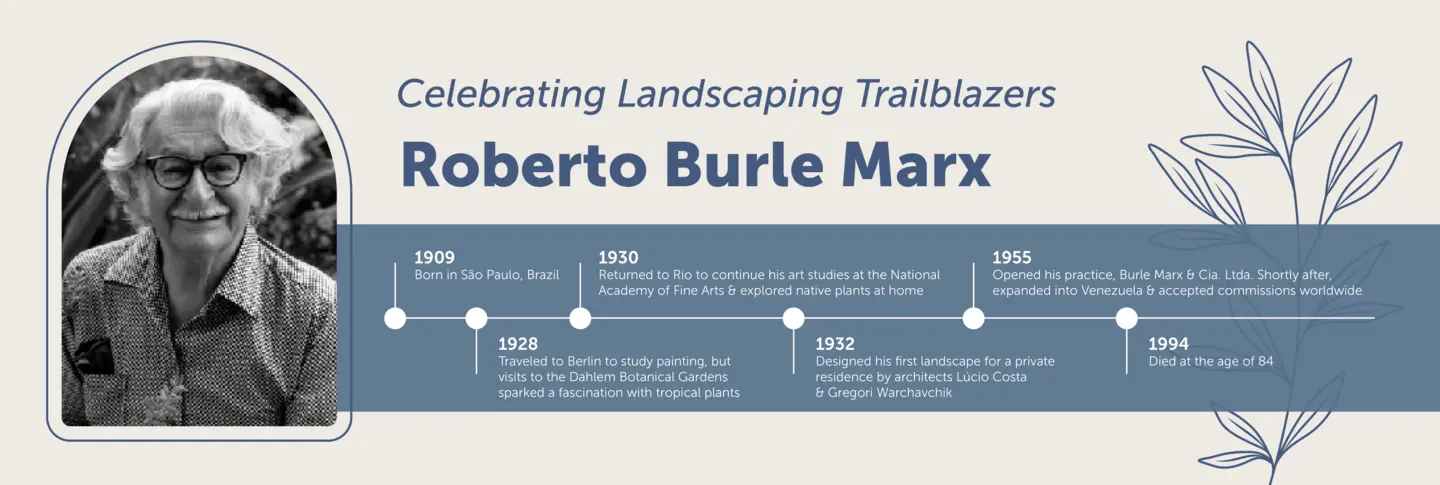
Celebrating Landscaping Trailblazers: Roberto Burle Marx
The master of living art and tropical design
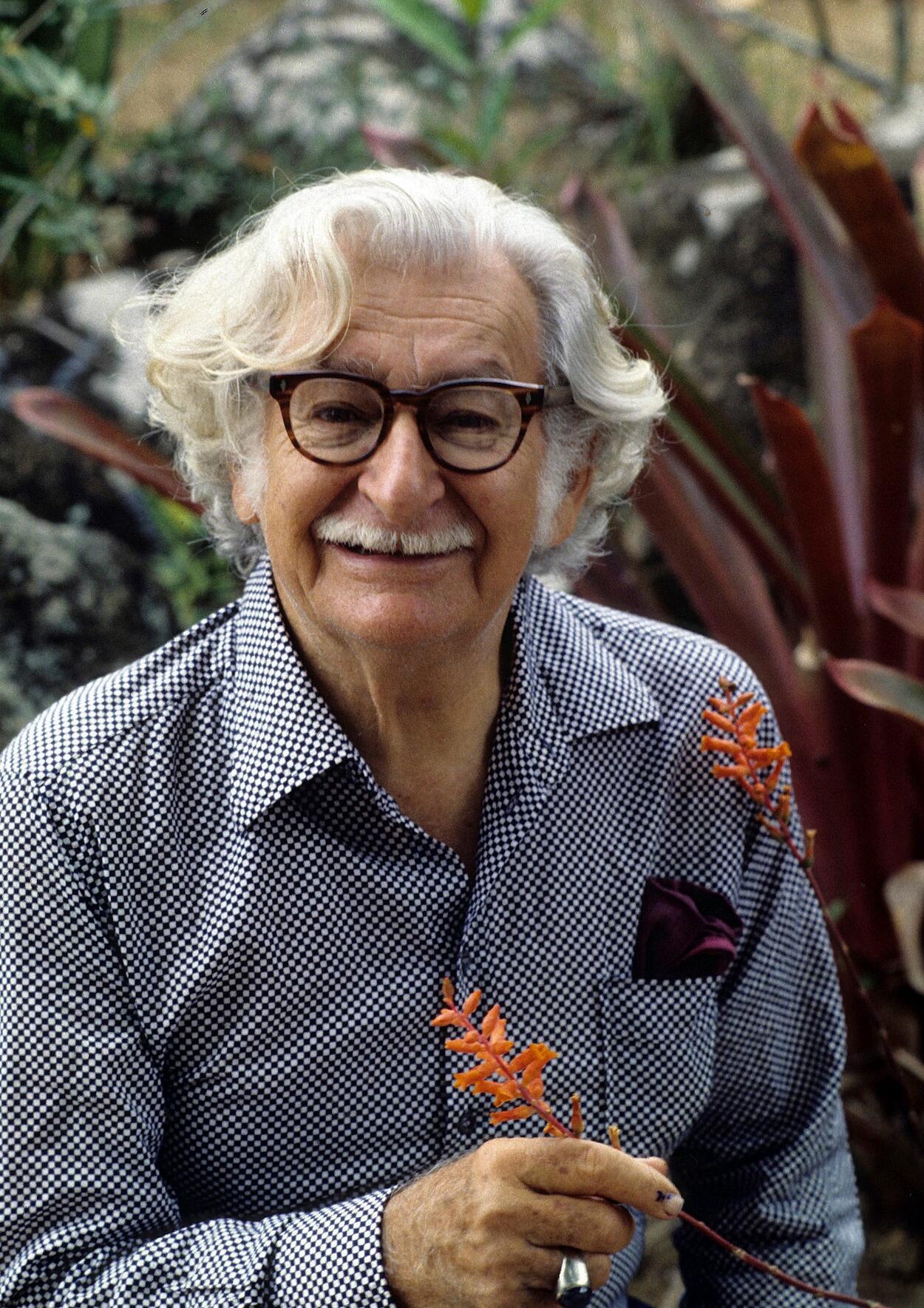
Roberto Burle Marx (Photo courtesy of The Jewish Museum)
Roberto Burle Marx is celebrated as one of the most influential landscape architects of the 20th Century. Known for transforming gardens and public spaces into vibrant works of living art, he combined his painter’s eye with a deep respect for the natural world. His designs broke away from convention, embracing bold compositions of tropical vegetation and patterns that reflected the energy and rhythm of Brazilian culture. Beyond aesthetics, he was also a pioneering environmentalist, advocating for native plants and sustainable practices long before they were common in the profession.
Born in São Paulo, Brazil, in 1909, and raised in Rio de Janeiro, Burle Marx initially pursued painting. His studies in Berlin exposed him to the city’s Dahlem Botanical Gardens, where he first saw tropical plants celebrated in a way that reshaped his perspective. Returning to Brazil, he experimented with native vegetation in his own garden, a passion that soon caught the eye of his professor, architect Lúcio Costa. This led to his first commission at just 23 years old, setting in motion a career that would leave a global mark.
Burle Marx’s early gardens were strikingly different from anything seen before in Brazil. Instead of replicating European traditions, he celebrated the tropical identity of his homeland. Sweeping curves of foliage, bold contrasts in texture, and paths that echoed the rhythm of samba created landscapes that were immersive experiences rather than static displays. His work reflected not only artistic innovation, but also a cultural pride that resonated with the modernist movement emerging in Brazil at the time.
He was also deeply hands-on with his materials. When commercial sources couldn’t provide the plants he envisioned, he ventured into Brazil’s rainforests to gather and propagate them himself. These expeditions yielded discoveries still new to science at that time, and today, more than 20 plants bear his name. His approach reinforced the idea that landscapes should grow from their own ecological context, rooted in the native species that define a place.
As his reputation grew, Burle Marx took on commissions internationally. He collaborated with renowned architects, such as Oscar Niemeyer, and completed landmark projects across South America and beyond, from Parque del Este in Caracas, Venezuela, to gardens in Paris, Los Angeles, Washington, D.C., South Africa, and Malaysia. Perhaps his most famous contribution remains the iconic promenade at Copacabana Beach in Rio de Janeiro, where waves of black and white stone mosaics create a dramatic meeting of design, culture, and the sea.
In addition to his design work, he was an educator, writer, and conservationist. He taught at the University of Brazil, training future generations of landscape architects. Decades before “green design” entered the everyday vocabulary, he was calling attention to deforestation and warning of the ecological consequences of unchecked development. His influence helped shift the conversation about landscapes from ornamentation to stewardship. He passed away on June 4, 1994, at the age of 84.
Burle Marx understood that landscapes are not static—they grow, evolve, and adapt over time. His work elevated public spaces, making them both ecological havens and cultural landmarks, and his philosophy continues to guide landscape architecture today.
At BrightView, we share Burle Marx’s vision of landscapes as dynamic, life-enhancing environments. His advocacy for native plants and sustainable design mirrors our own mission to create spaces that endure, adapt, and enrich communities. Just as he blended artistry with ecological awareness, we strive to design and maintain landscapes that inspire, connect, and stand the test of time.
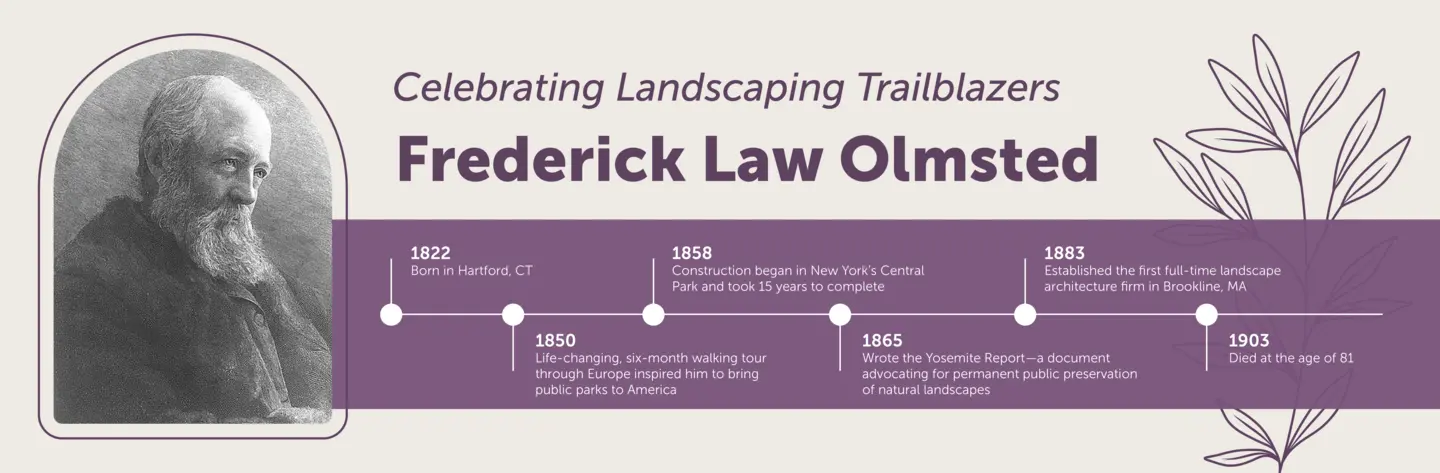
Celebrating Landscaping Trailblazers: Frederick Law Olmsted
America's Master Landscape Architect
Frederick Law Olmsted, Father of Landscape Architecture (Photo courtesy of the Library of Congress)
Few individuals have shaped the American landscape as profoundly as Frederick Law Olmsted. Widely celebrated as the father of landscape architecture, Olmsted revolutionized the way outdoor spaces were designed, transforming them into vital public resources for health, community, and connection. His vision of parks as democratic spaces for all people set a lasting standard that continues to influence urban planning and landscape design to this day.
Born in Hartford, Conn., in 1822, Olmsted cultivated an early love of nature during countryside trips. Although an illness at a young age briefly impaired his eyesight and limited his formal education, he remained intellectually curious, later attending science and engineering lectures at Yale University. In 1850, a life-changing, six-month walking tour through Europe set him on course to leave his mark across North America.
After a visit to Liverpool’s Birkenhead Park, one of the first public parks open to all citizens, Olmsted was struck by the idea that such spaces could offer dignity and recreation to every member of society. He returned home determined to bring that philosophy to America.
His entry into landscape architecture formally began when he partnered with British architect Calvert Vaux to design New York City’s Central Park. Their winning plan, besting 32 other competitors, featured sunken transverse roads to preserve the park’s natural feel and took 15 years to complete and involved the planting of more than half a million trees, shrubs, and vines.
The success of Central Park launched Olmsted into national prominence. Over the decades that followed, he designed and influenced many of the most iconic outdoor spaces in the country, including Boston’s Emerald Necklace, Philadelphia’s Fairmount Park, Detroit’s Belle Isle Park, Chicago's Jackson Park, and the grounds of the U.S. Capitol. His projects were characterized by a deep understanding of topography, ecology, and human experience, creating spaces that fostered peace and well-being in increasingly industrialized cities.
Olmsted’s contributions extended beyond traditional parks. He led efforts to conserve Yosemite, producing one of the foundation documents advocating for permanent public preservation of natural landscapes—work that would ultimately inspire the creation of the National Park Service. His later projects, such as the ambitious landscaping of George Vanderbilt’s Biltmore Estate, demonstrated his ability to rehabilitate damaged land and create breathtaking natural vistas.
Throughout his career, Olmsted was a pioneer not only in design, but also in professional practice. He was the first to use the title “landscape architect” and established the world’s first professional office dedicated solely to landscape design. His influence carried on through his sons and their firm, which remained active for more than a century, shaping thousands of landscapes across North America. Olmsted passed away on Aug. 28, 1903, at the age of 81. His vision lives on not only in the parks and public spaces he designed, but in the values that continue to shape landscapes.
Today, Olmsted’s belief in the healing power of green spaces resonates more than ever. At BrightView, we continue to embrace his ideals by designing and maintaining landscapes that invite connection, inspire communities, and promote well-being. Through every park, campus, and outdoor environment we create and maintain, we proudly build on Olmsted’s enduring legacy, making sure nature remains accessible, welcoming, and transformative for all.
Four-Leaf Clovers: A Symbol of Luck and Mystery
Unraveling the Charm and Rarity Behind Nature’s Lucky Emblem
Clovers have become synonymous with Ireland, and most especially, St. Patrick’s Day. While the three-leaf clover, the shamrock, is traditionally associated with Irish culture, the elusive four-leaf clover has captured the imagination of people as a rare token of luck. Yet what is it that makes this small, green plant so special?
The Rarity of the Four-Leaf Clover
The four-leaf clover has long been associated with luck and prosperity. This belief dates back centuries and even spans multiple cultures outside of just Ireland.
Finding a four-leaf clover is no small feat—estimates suggest that roughly only one in every 5,000 clovers has more than three leaves. Most clovers are the white clover, or Trifolium repens species, which naturally has just three leaves. However, a rare genetic mutation, or sometimes environmental factors, can result in additional leaves, making these lucky charms difficult to find. Their rarity is precisely why they are so prized. Stumbling upon one is a sign of good fortune simply because the odds are against it.
A Symbol of Good Luck
The four-leaf clover has long been associated with luck and prosperity. This belief dates back centuries and even spans multiple cultures outside of just Ireland. In ancient Celtic traditions, druids considered the four-leaf clover a powerful protective charm against evil spirits and would bring blessings to those who carried them. Legend says the four leaves represented faith, hope, love, and luck, making it an all-encompassing symbol of positivity.
The Science Behind the Luck
They may be lucky to find, but the four-leaf appearance is caused by genetics and environmental conditions. Scientists have identified a recessive gene in clover plants which sometimes lead to the development of an additional leaf. However, the exact genetic mechanism is complex, and factors such as soil composition, climate, and plant stress also have a hand in a clover producing more than three leaves. There are even cases of clovers growing even more than four leaves. In fact, the current record-breaker from the Guinness Book of World Records, which was set in Japan in 2023, is a clover with 63 leaves on it!
Shamrocks vs. Four-Leaf Clovers
It’s important to note the distinction between the shamrock and four-leaf clover, as they can often be confused with each other. The shamrock has just three leaves, and is what is seen on the tail of Irish airlines Aer Lingus and used for a lot of St. Patrick’s Day décor. According to legend, St. Patrick used the shamrock to explain the concept of the Holy Trinity to the Irish people. The four-leaf clover is a cousin, and does not have the same religious connotation and is instead revered for its rarity and association with good luck.
Find Your Own Four-Leaf Clover
If you want to try your luck at finding a four-leaf clover this St. Patrick’s Day, consider heading to a patch of clover and scanning carefully rather than going one-by-one. Many experienced finders recommend softening your gaze and looking for an odd pattern among the sea of clovers. Often, a four-leaf clover stands out due to its unique shape.
At BrightView, we understand the beauty and significance of well-maintained landscapes, where nature's wonders, such as the rare four-leaf clover, can thrive. Whether it's through expert lawn care, sustainable landscape design, or creating green spaces where people can connect with nature, we take pride in cultivating environments that bring joy and inspiration. This St. Patrick's Day, take a moment to appreciate the small, but extraordinary details in the landscape around you. You never know when you might find a bit of luck growing right at your feet!
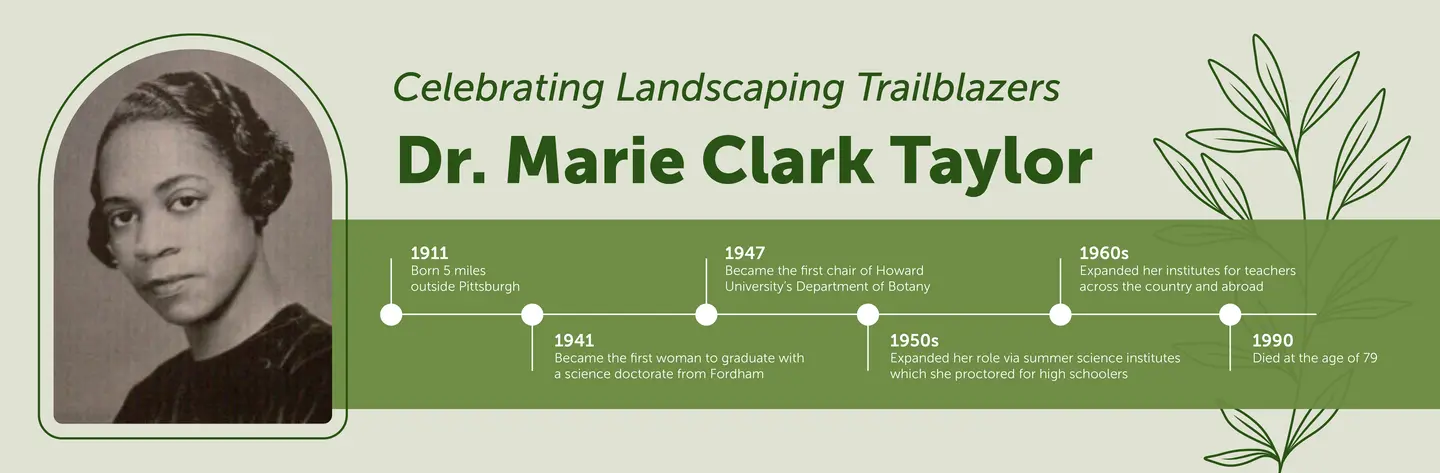
Celebrating Landscaping Trailblazers: Marie Clark Taylor
A pioneer in plant science and education
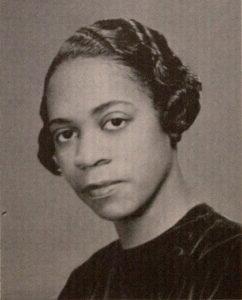
Dr. Marie Clark Taylor (Photo courtesy of Fordham University)
The landscaping industry has been shaped by countless innovators, pioneers, and changemakers whose work has influenced how we design, develop, cultivate, maintain, and even appreciate outdoor spaces. Among these trailblazers is Dr. Marie Clark Taylor, a remarkable African American scientist and educator whose work in botany and plant biology has had a lasting impact on landscaping and horticulture.
Born in 1911 just five miles from Pittsburgh, Dr. Taylor received her Bachelor’s in education and Master’s in botany from Howard University before attending Fordham University in New York to obtain her Doctorate in botany. Graduating in 1941, she became the first women to earn a science doctorate from Fordham.
After serving as a staff assistant for the Army Red Cross during World War II, Dr. Taylor returned to Howard University’s Department of Botany and quickly rose through the ranks to become the department's first chair. Even while working at Howard, Dr. Taylor used grants from the National Science Foundation for summer science institutes, showing high school biology students the advantages and uses of botanical materials. Her work garnered the attention of President Lyndon B. Johnson in the 1960s, who encouraged her to expand her institutes for teachers across the country and abroad.
On Dec. 28, 1990, Dr. Taylor died at the age of 79. However, her legacy still endures today. Howard University established a scholarship fund for women in the sciences in her honor and also named an auditorium after her.
Dr. Taylor’s contributions serve as a powerful reminder of the ways in which African Americans have enriched and elevated the landscaping and horticulture professions. Her story encourages us to recognize the often-overlooked voices and talents that have helped shape the industry and to celebrate their enduring influence.
At BrightView, we share Dr. Taylor’s passion for horticultural knowledge and fostering innovation and creativity in landscaping. Her dedication to plant science and education mirrors our commitment to sustainability, thoughtful landscape design, and cultivating vibrant green spaces as we create the best landscapes on Earth. By incorporating research-driven best practices and embracing diverse perspectives, we continue to enhance outdoor environments in ways that reflect her lasting impact on the industry.
As we honor her legacies and contributions, we are reminded of the importance of diversity and innovation, creating a more sustainable and inclusive future for landscaping. Dr. Taylor’s groundbreaking achievements underscore the connections between science, education, and the beauty of the natural world—connections that continue to inspire and guide professional across the industry.
This article was researched from Fordham Magazine’s “From High School Biology Teacher to Trailblazing Scientist: Remembering Fordham Alumna Marie Clark Taylor” and Women in Horticulture’s “Woman of Firsts: Marie Clark Taylor.”