
The 7 Principles of Xeriscaping
Dig Into... Xeriscaping



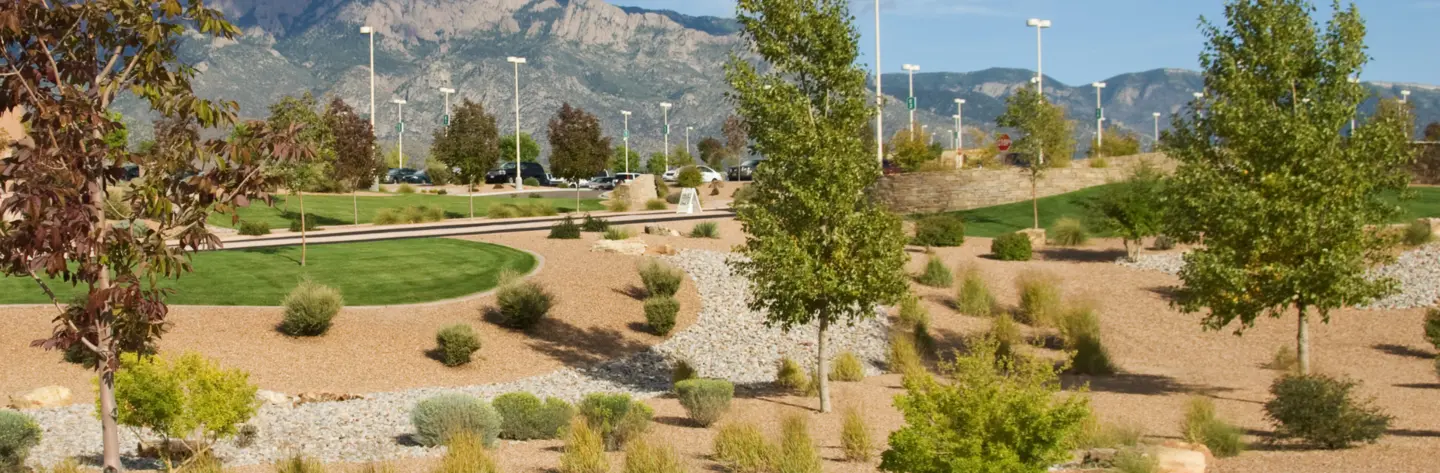
Get ready to challenge what you know about xeriscapes. Many people associate xeriscape with minimalist design; but when it’s done well, the only thing minimal is the water use. Here are the seven core principles that deliver maximum impact, in aesthetics and water conservation.
1. Plan for Success
Good xeriscape design begins with a thoughtful base plan that takes into account property lines, fences, slopes, existing plant material, driveways, sidewalks, and even spigots. This approach ensures the greatest functionality in your end result.
2. Conduct a Soil Analysis
The quality of your soil can impact your water use. Soil testing ensures you’re set up for success by determining if amendments are needed to help your soil better retain and release water.
3. Irrigate Efficiently
Xeriscaping avoids sprinklers that throw water high in the air or releases it in a fine mist. Except in the case of turf (more on that in a moment), drip, spray, and bubbler emitters are preferred. They release bigger drops closer to the ground, which results in less waste.
4. Zone Your Plants
Different plants have different needs, like sun exposure and moisture. In xeriscaping, it’s best practice to group plants with similar light and water requirements.
5. Make Use of Mulch
Mulch is an M.V.P. at regulating soil temperature, reducing evaporation, and keeping weeds at bay, making it a xeriscaping “must-have.” Xeriscaping design typically utilizes organic mulch (like bark chips) or inorganic mulch (like gravel).
6. Reconsider Turf
Sod grass is one of the biggest water guzzlers and can be resource-intensive to maintain. Keep turf only where only practical and necessary. Consider replacing the rest with alternatives like buffalo grass and blue grama grass, or clusters of low-water-use shrubs.
7. Conduct Mindful Maintenance
Good xeriscape should be easy to maintain and may reduce your maintenance overall. Still, it’s important to stay on top of certain tasks that will keep your landscape healthy, such as weeding, cutting back perennials, and pruning trees and shrubs.
Finally, don’t forget the cost of your xeriscaping project could potentially be offset by rebate programs. This is especially true if your project involves a turf conversion. At BrightView, we track current programs in each region so we can help clients get the most bang for the buck on every project. Find out what’s available to you by scheduling a free consultation.


Looking for the Secret to a Better Landscape?
Achieve your best landscape yet (and peace of mind, too). Managing your outdoor spaces has never been easier with the help of our attentive, knowledgeable experts. Get in touch and let’s dig into the details.