
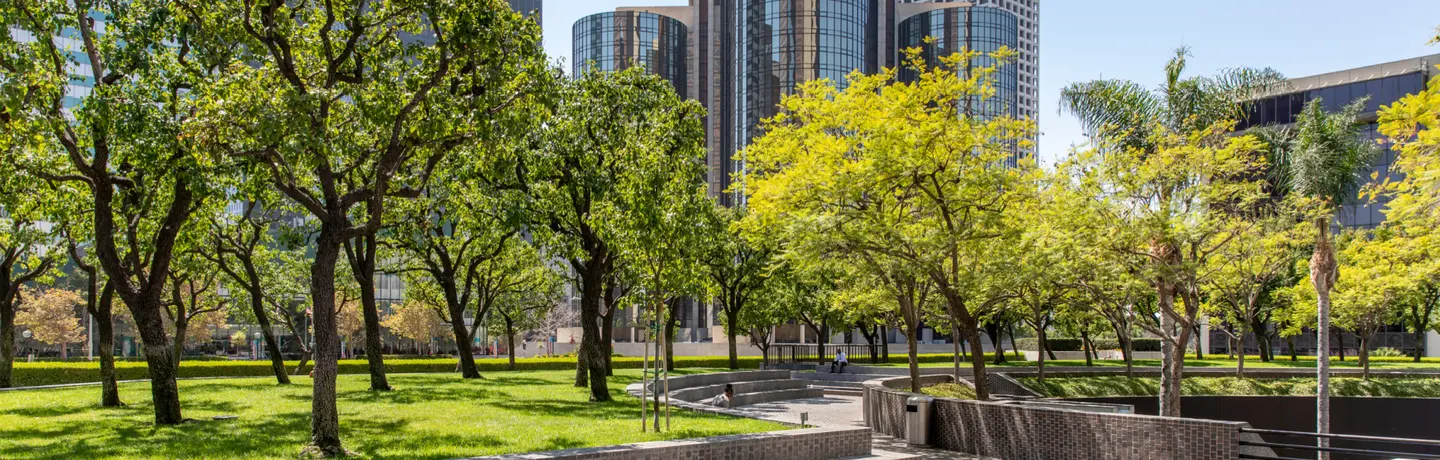
The Greatest Hazards for Your Trees
Dig Into... Tree Care



Trees don't ask for much, especially given the benefits they give us in return. But if they could talk, they might tell you there are a few things they'd like to avoid. From manmade trouble to natural impacts, here's how we can help our favorite trees avoid common hazards to live a long, healthy life.
Root & Soil Issues
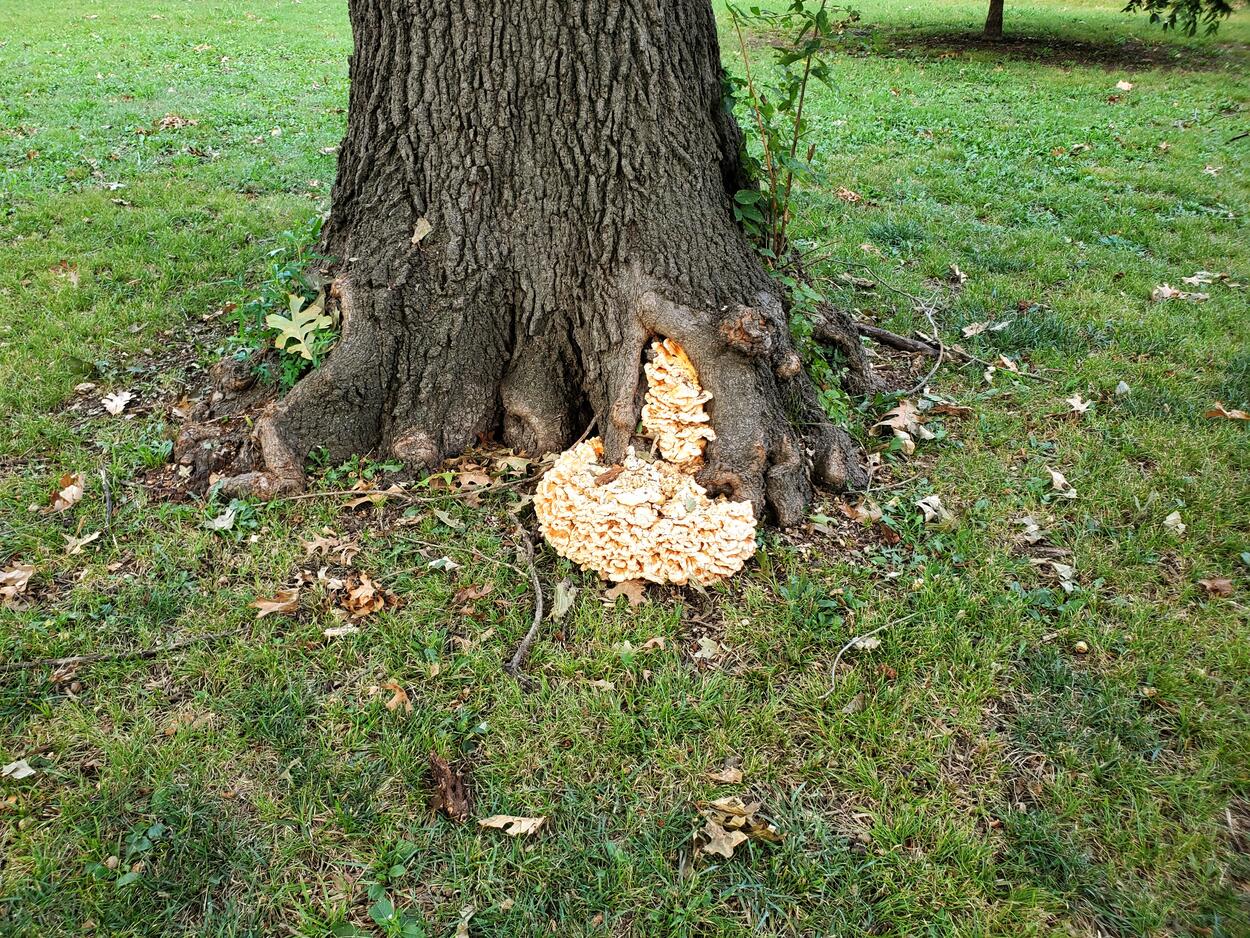
Root and soil issues may be difficult to spot, but it's important to keep your eyes peeled. That's because when tree root issues advance too far, failure can happen at any time, not just in severe weather. That unpredictability can have disastrous consequences for people or property nearby.
So, what are the signs that might clue you into potential trouble? Look for:
- Mushrooms around the base of the tree, which can be indicative of decay.
- Buckled soil, which may indicate the tree is in the process of uprooting.
- Girdling roots, which may present as a trumpet-shaped base at the trunk, visible circling roots, and sometimes a lean. If left untreated, the tree could strangle itself, making early intervention key.
Structural Weakness or Defects
Thankfully, above-ground defects are easier to spot, and some can even be remedied with regular preventative pruning. But if you notice any of the following changes in the interim, it's a good idea to have your certified arborist take a look sooner:
- Deadwood in the tree's crown, which can fall and injure healthy branches below, not to mention people and property.
- Cracks, splits, tears, cavities, or other wounds to the trunk that could become an entry point for harmful fungi.
- Damage following thick ice accumulation or high winds that may have compromised structural integrity.
Pests & Disease
Unchecked infestations and diseases can have fatal consequences to your landscape's trees. That's why it's wise to get a certified arborist's eyes on any suspicious signs as soon as possible. Among the most common are:
- Sawdust on the trunk or base of the tree, also known as frass, which is the byproduct of chewing insects, like borers.
- A sticky residue, called honeydew, which is secreted by sap-sucking pests like aphids. If left unchecked, a black, sooty mold can form that will impair photosynthesis.
- Bark damage, such as boring holes, which can be indicative of beetle or borer infestations. Meanwhile, cankers may be a sign of a fungal or bacterial disease.
- Leaf anomalies, such as discolored leaves, or those that drop prematurely, can be a sign of disease. Curled or chewed leaves may be indicative of caterpillars or aphids.
Keeping a lookout for signs of stress, damage, or pests is a smart move to keep your trees and the people who enjoy them safe. Partnering with a certified arborist and experienced tree care crew makes it effortless. Connect with one near you today.


