
5 Steps for a Healthier Landscape in 2027
Give your landscape its annual physical



You wouldn’t expect your doctor to know your health from one quick glance. There are questions to ask, vitals to check, and tests to run. Only after an in-person and detailed checkup will the doctor understand what’s working, uncover potential concerns, and provide a plan for staying healthy.
Your landscape needs the same care.
As you plan and budget for 2027, give your property its annual physical. A thorough landscape inspection—from a landscape professional—can reveal emerging plant health concerns, watering issues, and opportunities that may not be obvious at first glance. Just as importantly, it can help you decide what deserves attention now, what to plan for next year, and what belongs on a longer-term wish list.
Ready for your checkup? Here’s what to expect:
Step 1: Talk Through the Symptoms and Your Goals
Every good physical starts with a conversation. How have you been feeling? Have you noticed any changes? What concerns do you have? Your landscape physical is no different.
Think back over the past year. Did certain plants struggle? Did turf thin out in high-traffic areas? Were there recurring irrigation problems? Did a particular bed require more attention than expected? Perhaps your priorities have changed altogether, and you’re preparing for a property renovation or hoping to refresh a prominent entrance.
These details matter because there’s no one-size-fits-all prescription for a healthy landscape. Plant Health Care (or PHC) takes a total-health approach, beginning with an understanding of your landscape, your objectives, and the level of care appropriate for different areas of the property. Depending on what the assessment reveals, that plan could include thinning dense woods, planting new trees, changing your watering schedule, or managing pests.
In other words, this is your opportunity to tell us where it hurts.
Step 2: Check the Vitals
Next comes the examination.
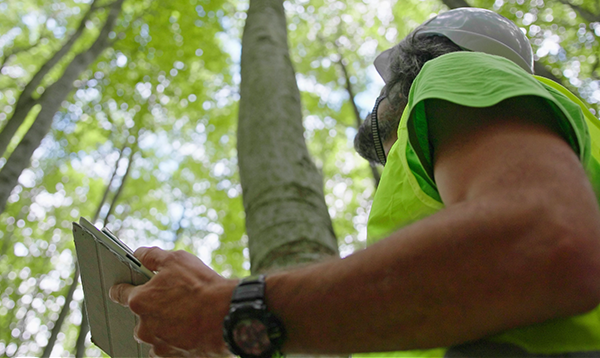
Some landscape concerns announce themselves with brown turf, wilting leaves, or declining plants. Other potential problems are barely noticeable. By the time certain symptoms become visible, a plant may have already been experiencing stress for some time. That makes regular monitoring especially important.
During a comprehensive property assessment, your landscape team can evaluate the overall condition of your turf, trees, shrubs, and planting beds while looking for changes that deserve a closer look. It’s also a chance to view the property as a whole. BrightView’s Quality Site Assessment process, for example, evaluates the initial condition of your property’s landscaping and establishes a benchmark for ongoing improvements. Think of it as checking your landscape’s pulse before deciding what actions come next.
Step 3: Look Beneath the Surface
Sometimes a physical requires a little more investigation. When the initial inspection raises questions, additional testing or evaluation can help get to the root of the issue.
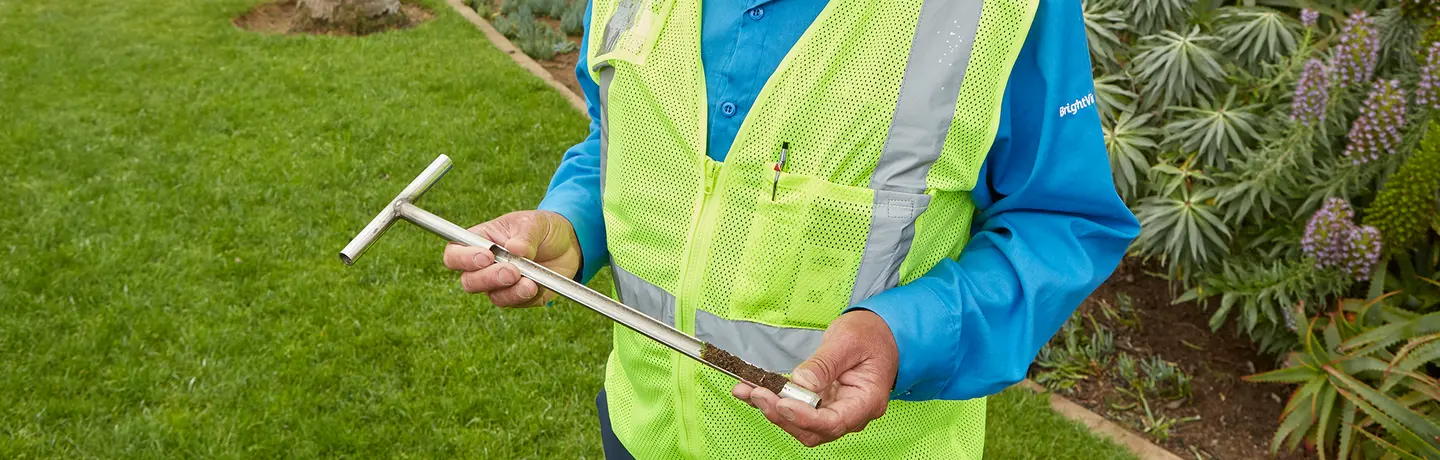
Take soil health as an example. Compaction, poor drainage, and imbalances below ground can contribute to plant stress even when the cause isn’t immediately obvious. A soil test can clarify what’s happening beneath the surface and help guide decisions about fertilization and other amendments.
Your irrigation system deserves attention, too. Leaks, damaged heads, poor coverage, or outdated schedules can affect both plant health and water use. The EPA recommends routinely inspecting irrigation systems for problems and adjusting them as conditions change. Our own water-management approach similarly begins by evaluating system performance and comparing water use with actual plant needs before recommending repairs or upgrades.
Step 4: Understand the Diagnosis
Once the inspection is complete, you should have more than a list of things that need attention. You should understand what matters most.
One helpful way to organize recommendations is to think in three categories:
- Protect – Preventive care that helps safeguard healthy landscape assets, such as pruning, irrigation maintenance, pest monitoring, and soil management.
- Correct – Taking care of existing concerns affecting performance, such as drainage problems, irrigation repairs, declining plants, nutrient deficiencies, or tree health issues.
- Improve – Look for longer-term opportunities to enhance appearance, efficiency, or resilience, such as replacing underperforming plants, upgrading irrigation, or reworking areas that require excessive maintenance.
Remember, not every recommendation carries the same urgency, and not everything needs to happen at once.
Step 5: Build Your 2027 Treatment Plan
Here’s where the physical pays off.
Your physical is most useful when it leads to next steps to ensure improvement. Instead of entering 2027 wondering what your landscape may need, you can begin the year with a roadmap. You can prioritize recommendations by urgency, timing, budget, and impact.
Some items may fit naturally into your existing routine maintenance. Others may need to be included in next year’s enhancement budget. Larger improvements may make more sense as part of a multi-year plan. Annual strategy meetings and ongoing property assessments help you identify priorities, budgets, and expectations before work becomes urgent.
Is Your Landscape Due for a Checkup?
A healthy 2027 landscape starts before the calendar turns.
Schedule time with your BrightView Account Manager to walk your property, review this year’s performance, and identify priorities for the year ahead. Together, we can turn your landscape’s annual physical into a practical plan to help keep your lawn healthy throughout 2027. Contact us to learn more.


