

How Long to Run Each Irrigation Zone
Dig Into... The art of irrigation



Irrigation is both an art and a science, and when it comes to determining how long to run each irrigation zone, no truer words have been spoken. That’s because a handful of factors go into making the determination; it’s a whole lot of math and a little bit of intuition. Let’s break it down.
First, What Are Irrigation Zones?
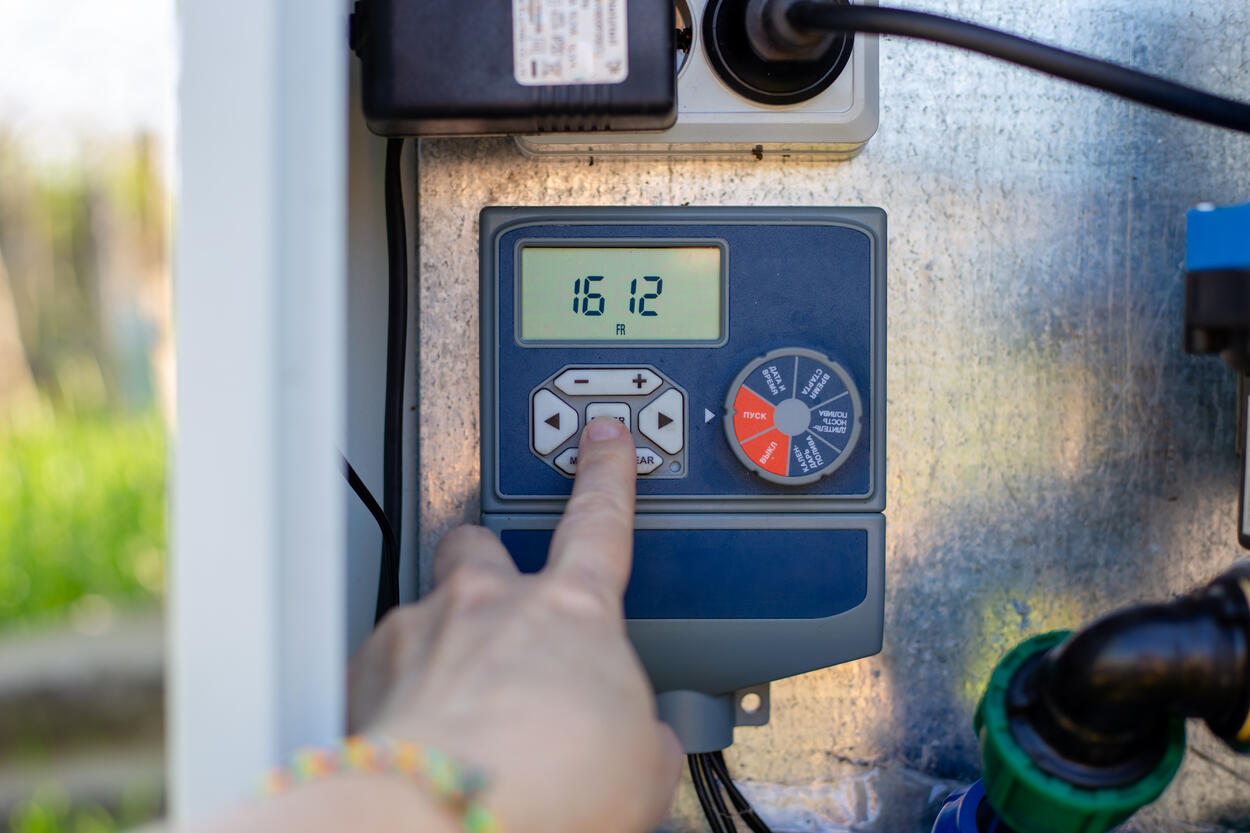
Irrigation zones are a specific area of your landscape served by a single control valve in your irrigation system. Ideally, plants are grouped together by similar water needs (this is called hydrozoning) to prevent over- or underwatering. Then, the zone is fitted with appropriate sprinkler heads and scheduled to run at a duration that will meet the hydration requirements of that section.
From Inches to Gallons
Generally, water recommendations for plants or lawns are given in inches. For example, Bermudagrass typically needs 1 to 1.5 inches of water per week, while most rose bushes require 1 to 2 inches in the same timeframe. That’s easy to understand when we’re talking about rainfall, which is also measured in inches, but how does that translate to irrigation, which is usually measured in gallons?
Here’s an important conversion to remember: an inch of water equals approximately 0.62 gallons per square foot. Once you make the conversion, you’re ready to translate the result to your irrigation run times.
Know Your Run Rate
Now, here’s where things get less straightforward. Because different sprinklers use different methods to apply the water—like drip versus spray—the application rate will vary based on the type of irrigation you have installed. Take, for example, a fixed spray nozzle, which will apply between 1.75 to 2 inches of water in an hour, assuming proper spacing. Contrast that with stream rotators, which will apply 0.4 to 0.65 inches of water per hour. A fixed spray nozzle running for 30 minutes will apply almost an inch of water, while the stream rotator running for the same 30 minutes will apply only ¼-inch water. All that to say, you could have vastly different run times across your zones.
Consider Other Factors
But don’t stop there. This is where the art and intuition come in. As you may have noticed, application rates and water needs come in ranges. It may take some experimentation and observation to really dial in which end of the range makes the most sense for you. Additional factors, such as slopes and soil quality, can also impact run time. And of course, when it rains, you may need to shorten or hold on watering altogether. That’s where smart controllers and rain sensors can help.
Thankfully, you don’t have to become an irrigation expert to get your run times dialed in. We’ve got them on staff! We’ll remove the guesswork, saving you money on your water bill, improving your plant health, and giving you more time to focus on what really matters. Contact us today.


