
Why You Shouldn’t Wait for Symptoms in Your Plants
Dig Into... Proactive plant health care



Yellow leaves, wilting, and brown spots are all bad news. But what you might not know is that by the time you spot these symptoms, the optimal window to act could have passed. Permanent problems—like damage to the vascular or root systems—may have already taken hold. Let’s dig into why proactive plant health care saves headaches and money.
What You Can’t See Might Hurt You
Those visible signs we mentioned aren’t the first indication of trouble; they’re actually the last result of internal damage. That’s because plants will use energy reserves and make metabolic or osmotic adjustments to try to tolerate the stress. As a result, they’ll stop growing and have compromised defense mechanisms. When you finally see the outward signals, they were likely caused by stressors that occurred months ago.
Getting to the Root of the Issue
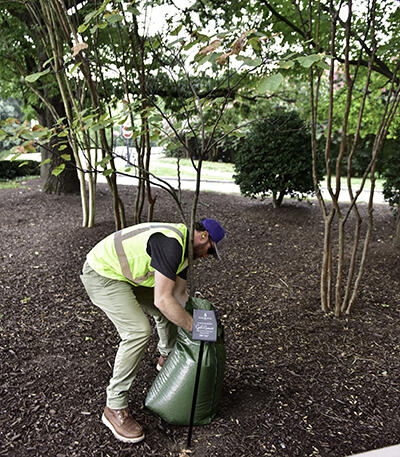
While some issues are caused by insects and diseases that attack a plant above the surface, other problems originate below ground. Poor soil is another enemy of plant health, and like the examples above, can be brewing for some time before it rears its head in a visible fashion. Soil compaction, pH issues, and infertility can also appear as slow or stunted growth as plants struggle to get the nutrition they need. Yet all can be easily identified with regular soil testing, a solution that is simple and inexpensive.
The Best Bang for Your Buck: Plant Health Care
Simply put, reactive care is more expensive. It often involves intensive treatments, frequent biological or chemical applications, and the proper removal of diseased or dead plant material. Worse, in situations of advanced decline, it may mean the only option is a complete renovation.
That makes plant health care a relative bargain. Think of it like a self-fulfilling prophecy. When you keep up with a regular plant health care regimen, plants have better nutrient uptake. And in the event of an infection or pests, healthy plants take to treatment better than stressed ones. Best of all, plant health care isn’t elaborate or exorbitant to implement. The key components are quite simple. They include:
- Regular monitoring to look for subtle changes in bark or leaf color and early signs of pests or disease
- Soil management, like regular aeration, fertilization, and keeping up with mulch applications to reduce weeds, regulates temperature and nourishes the soil
- Integrated pest management, specifically proactive, targeted treatments to prevent infestations
- Proper watering, ensuring your irrigation system is operating efficiently, and applying water at the rate needed for each zone to avoid the dreaded wet-dry cycles that stress plants
In addition to being better for the health of your plants and budget, plant health care supports the health of the environment, too. By keeping your landscape in top shape and staying abreast of soil health, you’ll need fewer chemical applications and harsh pest controls and only apply targeted amounts of fertilizer when tests indicate it’s needed. Now that’s good news!
Ready to create your personalized plant health program? Get in touch.


