3 Landscape Pests Thriving this Drought Season

3 Landscape Pests Thriving this Drought Season Look out for these drought-loving pests in Colorado and Utah

Less snow in Colorado and Utah this winter has meant one thing: drought. As a result, the pests are thriving. Warmer temperatures and dry conditions have created the perfect conditions for several pest groups to thrive, spelling bad news for your plants. Read on to find out which bugs will be problematic and how you can protect your plants and trees.

Mountain Pine Beetles

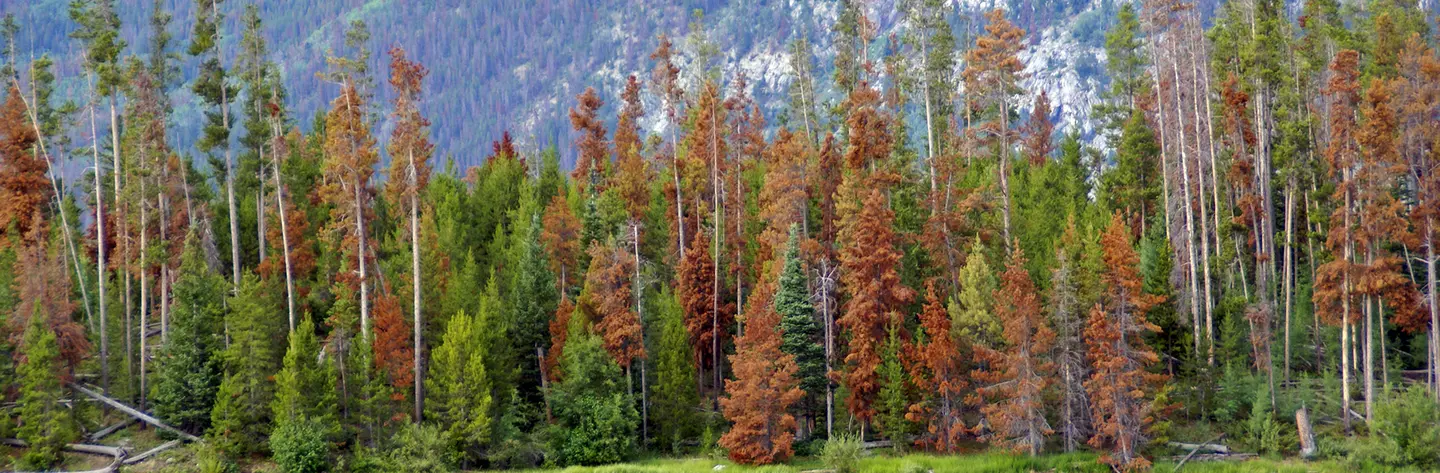
Just as the name suggests, this beetle loves itself some pine trees, especially ones already stressed by drought and abnormally warm weather. These beetles have a hard black exoskeleton and are roughly the size of a grain of rice. However, don’t let their small stature fool you. In circumstances like our current drought conditions, populations can explode to epidemic levels. As a result, an inordinate number of pines will be attacked and killed.

What trees are at risk? 

Ponderosa pine, lodgepole pine, Scotch pine, Austrian pine, limber pine, and blue spruce.

How can you spot an infestation?Mountain Pine Beetle, Japanese Beetle, Turf Mites
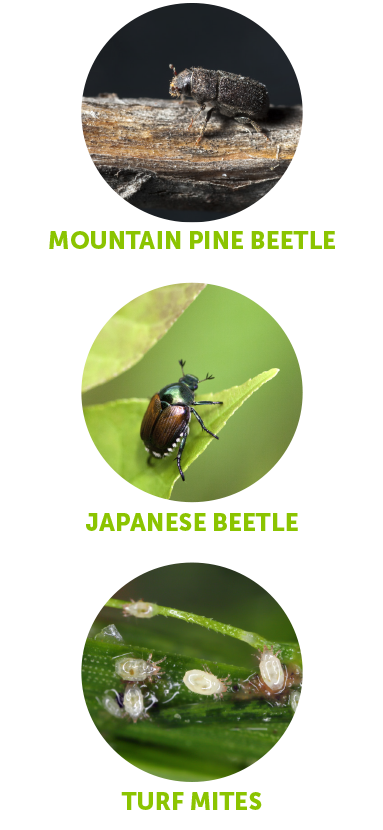
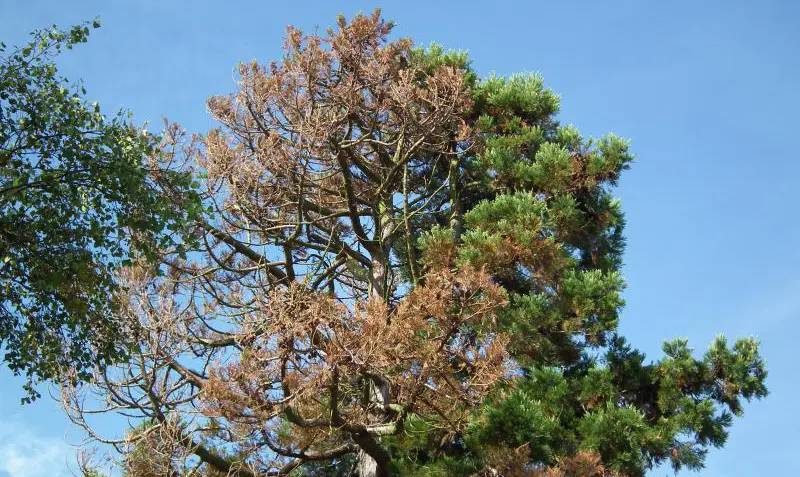
Look for brown, pink, or white popcorn-shaped masses of resin on the trunk. You might also notice boring dust on the trunk or around the base of the tree or exit holes where the beetles emerge. Finally, keep an eye out for foliage that turns yellow or red throughout. This typically occurs within eight to 10 months of an attack.

How can you protect your landscape? 

Your best bet is regular inspections and protective trunk sprays, which are most effective when applied before beetle activity peaks. If a tree is already infested, removal is recommended to avoid spreading. 

Japanese Beetles

This invasive pest has historically been less common in Colorado and Utah, but populations have recently established themselves in the Front Range and Western Slope communities. Measuring about the size of a coffee bean, the Japanese beetle can be distinguished by its bright metallic green body, darker green legs, and coppery brown wing covers. 

Which plants and trees are at risk? 

It’s estimated roughly 300 species are impacted by the Japanese Beetle, including roses, Linden trees, Crabapple trees, grapes, Virginia Creeper, hibiscus, and other ornamental flowering plants. The beetle’s larvae (grubs) also can damage Kentucky bluegrass, fescue lawns, and perennial ryegrass turf.

How can you spot an infestation?

Look for holes in buds, flowers, or leaves. In the latter, damage often occurs between leaf veins, creating a lacy appearance. In turfgrasses, look for brown patches, especially in August.

How can you protect your landscape?

Systemic treatments and targeted spray applications for active infestations are the way to go, but because of the vast range of plants affected, there’s no one-size-fits-all approach. That’s why it’s important to work with an experienced landscape partner with licensed applicators who can tailor the treatment to the affected plant, ensuring an effective application with minimal impact to beneficial pollinators. 

Turf Mites

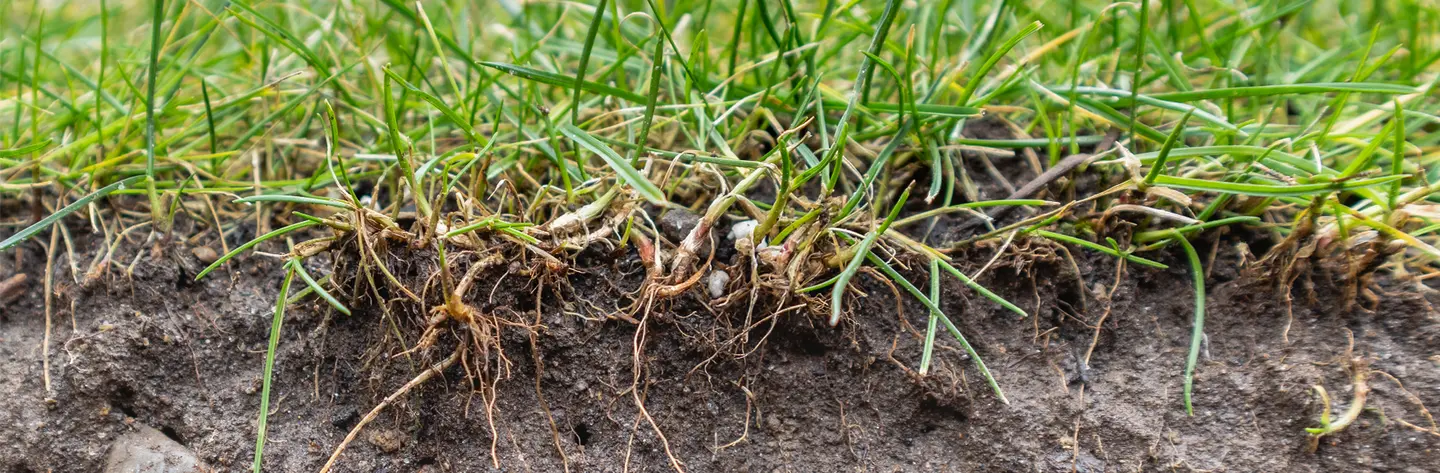
This is not a single pest, but rather a collection that includes clover mites, Banks grass mites, and brown wheat mites. All enjoy feeding on your turf and flourish in dry, warm conditions. These microscopic arachnids are especially problematic during early spring through late in the growing season when rain and snowfall have been limited. Though they’re not always visible to the human eye, you may spot tiny moving red or brown specks in the event of an infestation.

What plants are at risk?

Kentucky bluegrass, fine fescues, perennial ryegrass, and buffalograss.

How can you spot an infestation?

Look for irregular brown or straw-colored patches that do not respond to watering alone.

How can you protect your landscape?

Maintaining an effective watering regimen is critical to keeping turf mites at bay. If you do find yourself with an infestation, proper diagnosis is important to receiving treatment with an appropriate insecticide.

Droughts can have a devastating impact on your landscape, but with the right action plan, you can prevent potential damage. Early action is key. Our local experts can design a customized integrated pest management strategy for your property—including systemic applications that prevent infestation and spray treatments to control active pest populations. Schedule your complimentary consultation today

Pine Beetle Tree Infestation

Preparing Your Landscape for Drought Conditions

Preparing Your Landscape for Drought Conditions Colorado and Utah: Drought action plan

Colorado and Utah have experienced an exceptionally dry winter, which means significant water restrictions are likely in store for the upcoming growing season. With that comes a host of other challenges—like turf stress, thinning foliage, reduced color, and increased mite activity. Thankfully, with a little forethought, this doesn’t have to be your landscape’s fate. Here are the steps to take to beat the odds.

Use soil treatments to minimize drought impact
Alongside proper irrigation management, these treatments can significantly minimize your landscape’s stress.

For Your Turf

Revive Soil Treatment Applications

In a drought, every drop of water counts. Revive’s wetting agents increase water penetration, reduce runoff, breakup compacted soil, and promote deeper root growth. The result is a thicker, more vibrant lawn that uses water more efficiently and remains hydrated longer between watering cycles.

We recommend applications every three to four weeks during the growing season, April through September.

Sulfur Applications

Much of Colorado and Utah’s soils are naturally alkaline. That can be problematic because high pH can make some essential nutrients unavailable to plants. Sulfur applications mitigate this issue by lowering soil pH. The result is better nutrient availability, which supports deeper root growth and better color. Though sulfur doesn’t add moisture, it does improve the lawn’s ability to use limited amounts more efficiently.

Generally, we recommend sulfur applications twice yearly—once in March and again in October. A quick soil test can confirm whether an application would be beneficial for your property.

For Your Trees & Shrubs

Yucca Extract

You may have seen yucca extract on the ingredients list of your favorite cleanser, food, or supplement. This common ingredient also happens to be a useful natural surfactant for your landscape. Yucca improves water penetration into compacted or water-repellent soils, making it a valuable tool for promoting deeper, more efficient moisture distribution and strong root systems. That’s incredibly useful considering drought stress can have lasting effects on woody plants.

Yucca extract is best applied monthly during the growing season, April to September.

Anti-Desiccant Applications

Anti-desiccant is a thin, waxy coating that’s applied to foliage to slow moisture loss through transpiration. This breathable, protective coating doesn’t interfere with normal function, but can reduce dehydration stress caused by drought, wind, heat, or transplant shock. Though it’s not a substitute for regular watering, it can provide plants with a significant boost during periods of environmental stress.

Anti-desiccant can be applied monthly when temps are below 85 degrees. We recommend an application for one- to two-year-old evergreen trees or newly planted deciduous varieties.

Drought conditions don’t have to mean your landscape suffers. Alongside proper irrigation management, these treatments can significantly minimize your landscape’s stress. To find the right mix of solutions for your property, schedule a complimentary consultation. Our local experts will tailor an action plan specific to your needs.

Drought Turf

BrightView Teamwork Helps Safeguard Pepperdine University After Wildfires

BrightView Teamwork Helps Safeguard Pepperdine University After Wildfires
BrightView stabilizes wildfire ravaged hillsides around Pepperdine University
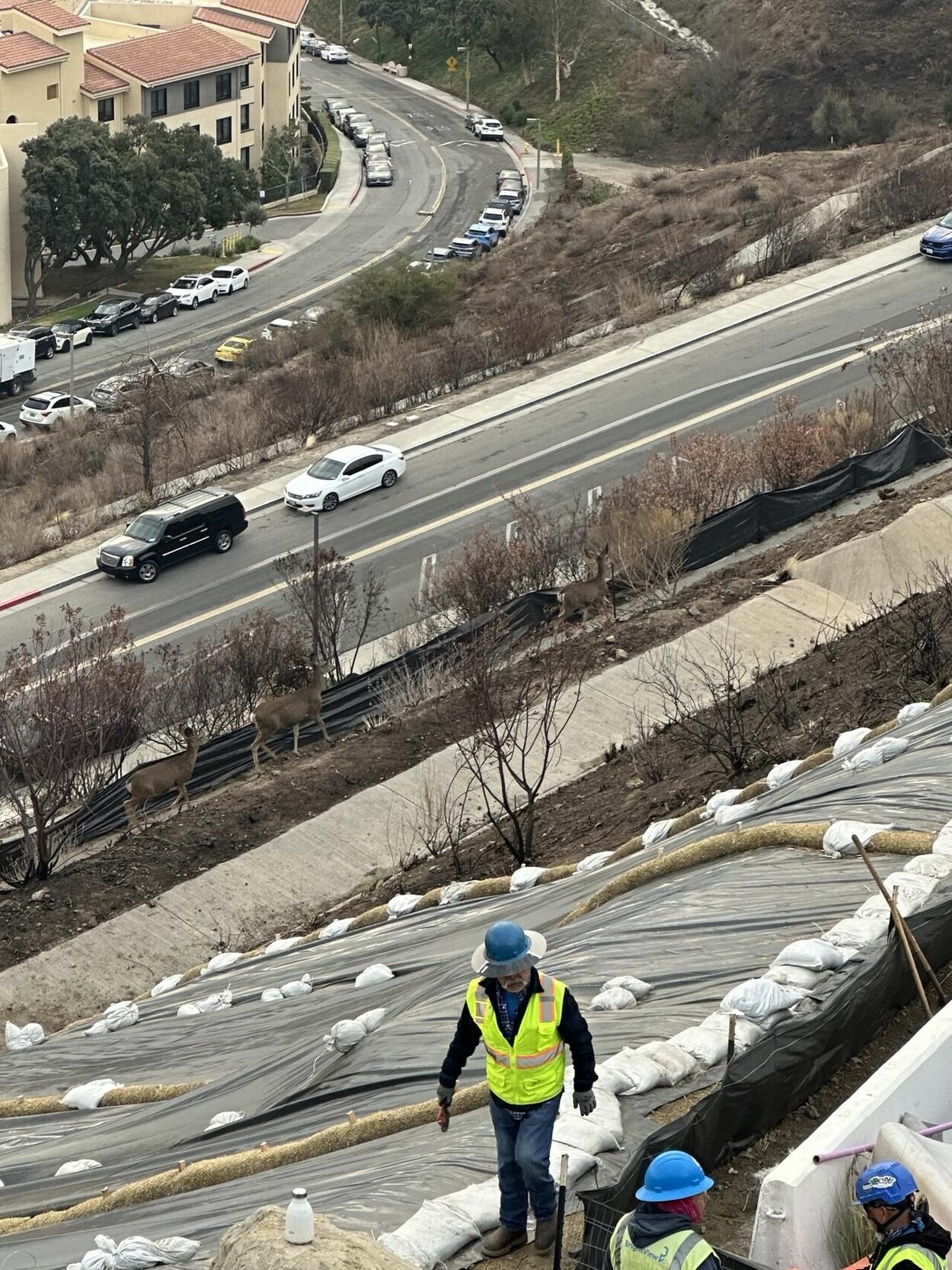
It took BrightView’s team working every day for two months with up to 25 team members at a time to complete the work of stabilizing the hillsides surrounding Pepperdine University following the Franklin Fire.

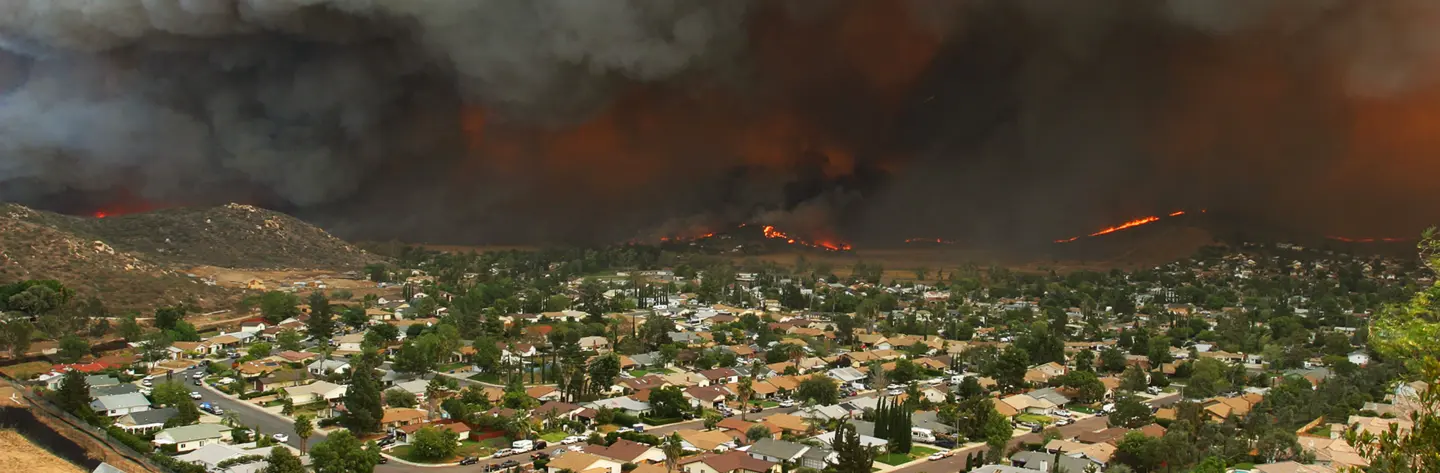
The greater Los Angeles area was ravaged at the end of 2024 from multiple wildfires. One of them, the Franklin Fire, burned through more than 4,000 acres in Malibu, which included some of the campus of Pepperdine University.

However, the university was largely spared due to its buildings built with fire-resistant materials and its fire-resistant landscaping. The campus has made sure to include native plants and consistently have 200 feet of brush around every building cleared. The hillsides surrounding the campus didn’t fare as well. BrightView, who has been providing enhancement work for the university for the last seven years, was called in when rain threatened the devastated landscape.

“Many hillsides within their campus were scorched, and the landscape in most of those areas was destroyed with little wild vegetation beginning to grow back,” said Derek Green, Enhancement Manager for BrightView’s Conejo Valley branch.

Though the wildfire prevention worked, the blaze burned right before the rainy season in southern California, creating fears of erosion.

“Our main focus was the areas where the surficial soil had already moved and areas where the slump of the surficial soil caused broken concrete swales above,” Green said. “We had completed work in many areas due to the campus being located on one big hillside.”

The first step was to remove all the dead vegetation from the area and flatten it both by hand and with equipment. This area was then laid with sheeting and straw wattle, which was secured with sandbags and wood stakes strategically placed to direct the flow of any stormwater. Some areas were given extra care with hydroseeding to better stabilize the landscape and promote new plant growth.

It took BrightView’s team working every day for two months with up to 25 team members at a time to complete the work. Green, whose team is usually just eight people, teamed up with as many as 18 colleagues from BrightView’s local Development team to help meet the expedited deadline.

“The work we did helped reduce a major threat to the university after the rains and heavy wind they had, and everything we installed held up very well,” Green said. “The collaboration between our Maintenance and Development teams helped build an everlasting relationship between us. Words cannot describe how proud I am of them all and am honored to be on a team with such hardworking and intelligent people. They are family to me and I feel like we can accomplish anything as long as we are working together.”

Content Hero Image
BrightView team members

Let’s Be Clear: Weed Abatement is Important

Let’s Be Clear: Weed Abatement is Important Brush up on keeping your property safe

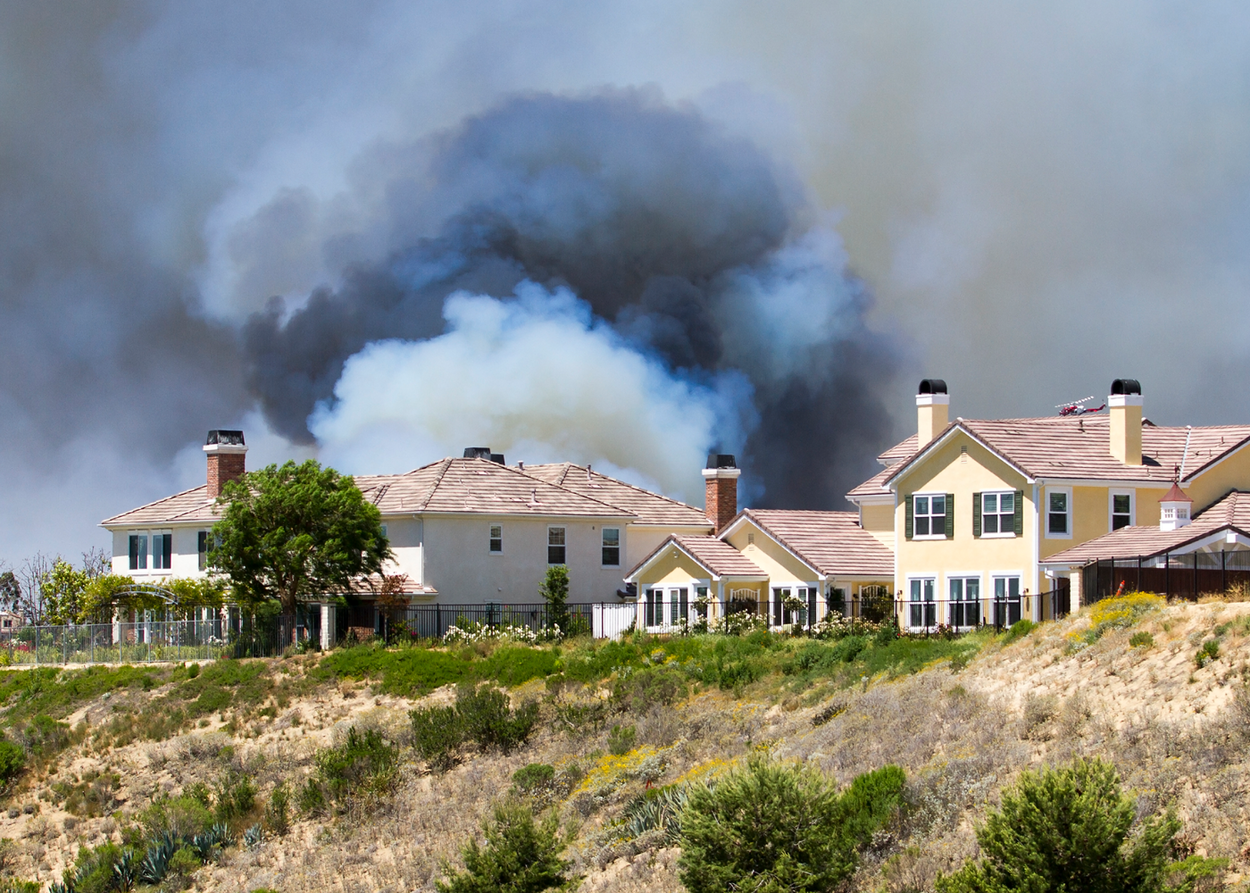
It’s time to brush up on weed abatement guidelines. And all puns aside, it’s a serious matter. Having a clear perimeter around your property could make a critical difference in the event of a fire. Let’s discuss the best way to keep your property safe.

What is Weed Abatement?

Simply put, weed abatement is the act of removing any vegetation from the perimeter of your property that could serve as fuel for a fire. Despite the name, it's not just about removing weeds, but rather, anything that could pose a hazard, including grass and vines. Since fires can happen anytime — not just during fire season — it’s best to maintain a defensible space all year-round.

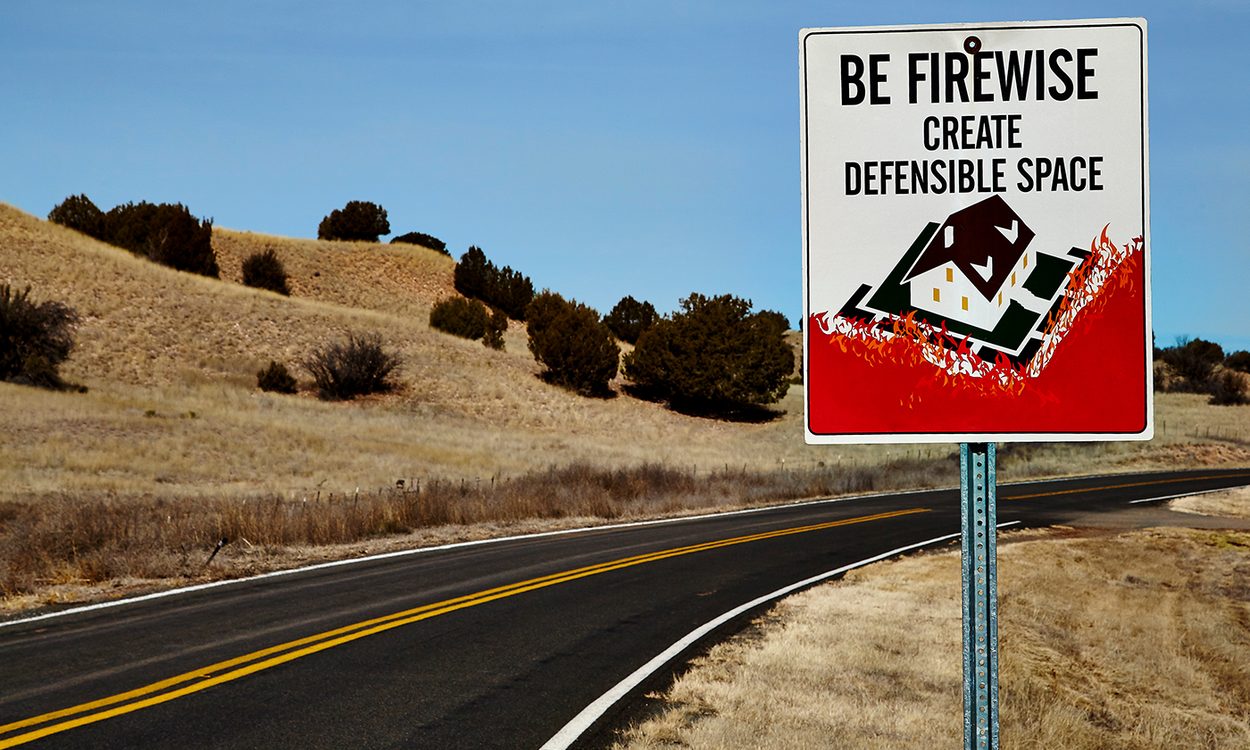
Be Firewise Create Defensible Space
Make weed and hazard abatement part of your landscape regimen year-round.

What is Considered Defensible Space?

Think of defensible space as three concentric circles, extending outward from your property. Each circle provides a level of defense to slow or stop the spread of fire, with the innermost circle — the one closet to your home or building — subject to the most stringent measures.

Below, we’ll outline general best practices for each of these three zones.

Zone 0 (5-foot radius from structures): This what experts call your ember-resistant zone. The focus here is removing anything that could spread fire to the adjacent structure.

  • Remove mulch, grass, or trees. Instead, replace with hardscape, such as concrete, gravel, or pavers.
  • Remove dead vegetation from your roof or gutters.
  • Trees with limbs that extend into this zone should be pruned to allow at least 10 feet of clearance.

Zone 1 (30 feet out): Greenery within this zone is OK, but with the following guidelines:

  • Remove dead vegetation from your yard. 
  • Remove any vegetation near or under decks, balconies, and stairs.
  • Prune trees to maintain at least 10 feet of space between them.
  • Keep 10 feet of clear space to bare soil around outbuildings and liquid propane gas tanks. No flammable vegetation should exist within an additional 10 feet beyond this.

Zone 2 (30 – 100 feet out): The goal in this zone is to minimize fuel sources.

  • Keep annual grass at a height of 4 inches or shorter. 
  • Maintain adequate horizontal and vertical spacing for shrubs, trees, and grasses. We recommend referencing this guidance from Cal Fire
  • Remove fallen leaves, needles, or branches in excess of 3 feet. 
  • Wood piles are allowed in this zone with a minimum of 10 feet clearance from surroundings, down to the soil.
  • The same guidance for liquid propane gas tanks and outbuildings in Zone 1 applies here.

Depending on the wildfire risk where you are, your local officials may have additional guidance. Be sure to check with your fire authority for the latest or get in touch with your local BrightView team for additional help.

Keep a clear property perimeter
Having a clear perimeter around your property could make a critical difference. 

What Else Can You Do to Reduce Your Fire Risk?

First, and most importantly, make weed and hazard abatement part of your landscape regimen year-round. A good landscape partner can assess what’s required to bring your property up to speed with the latest recommendations and seamlessly handle those needs for you.

For additional protection, consider incorporating fire-resistant landscaping. A number of plants, such as French Lavender, Society Garlic, and Coreopsis, possess greater fire resistance thanks to a higher moisture content or less sap or resin. As an added bonus, many are also drought tolerant.

Staying on top of your weed abatement and the latest best practices can be difficult. Having the right landscape partner makes it easy. Connect with your local BrightView team, and gain peace of mind your fire mitigation strategies are in good hands.  

Weed Abatement is Important

How to Save Water & Your Landscape

How to Save Water & Your Landscape A 2022 Drought Survival Guide

The drought isn’t easing up but the struggle to find answers should be. Check out our 2022 Drought Survival Guide for sound advice & decision-making guidance to not only save water, but also save your landscape. Before wells run dry, let’s get the ideas flowing!

How to Save Water & Your Landscape eBook

Make Every Drop Matter: Water Saving Strategies for Your Landscape

Make Every Drop Matter: Water Saving Strategies for Your Landscape Watch the FREE Webinar Recording

Make Every Drop Matter: Water Saving Strategies for Your LandscapeYou can’t talk about drought without talking about water conservation! Hear from industry leaders and local BrightView experts as they reveal key strategies to conserve water while maintaining a beautiful landscape.

In this webinar we cover:
  • The 2022 drought season outlook
  • How to navigate new state and local water regulations
  • Tips and tricks to save water on your property
  • Irrigation improvements to help reduce water usage
  • Protecting your landscape's most valuable asset — trees
 
Water Management

10 Easy Ways to Save Water

10 Easy Ways to Save Water Tips to Lower Your Water Usage Without Feeling the Pinch

Could you do more with less? When it comes to water management, it’s possible. Follow these 10 tips to lower your usage without feeling the pinch.

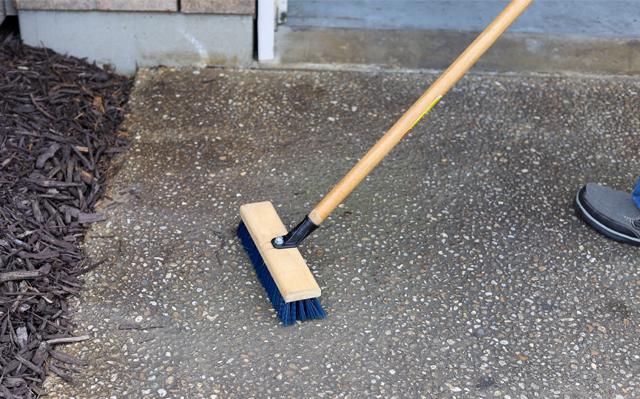
  1. Sweep to Save Water
    Save water by using a broom instead of a hose to clean driveways and sidewalks.
    BE THE EARLY BIRD

    Water early in the morning, just before dawn, to reduce evaporation due to sun and wind.

  2. TUNE-UP REGULARLY

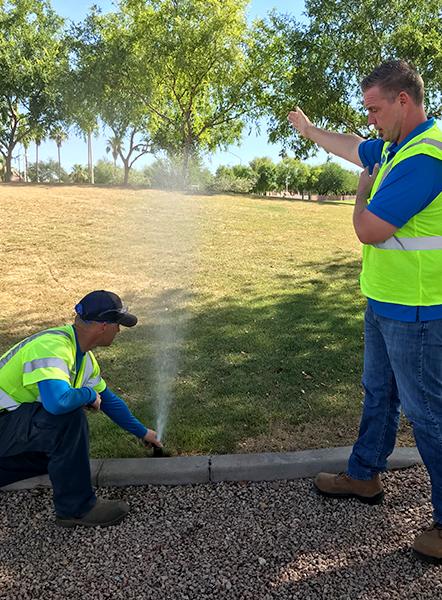
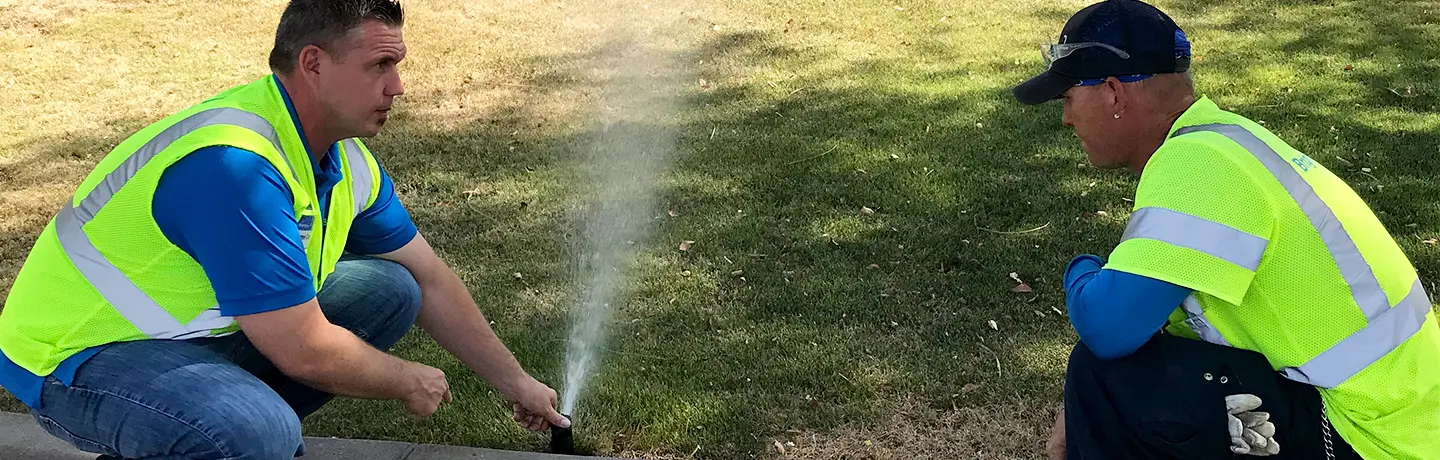
    Leaks in your irrigation system or inefficient watering can run up your water bill. Regular inspection by an irrigation professional enables timely repairs and sprinkler head adjustments to avoid waste.

  3. SAY "NO WAY" TO SPRAY (except for lawns)

    Drip irrigation and soaker hoses are a better choice for planting beds. Save the spray heads for lawns, where it’s a more efficient choice.

  4. KNOW "WEATHER" TO IRRIGATE

    Install rain shut-off devices and ground moisture sensors so you’re only watering when absolutely necessary.

  5. LOW IS NOT THE WAY TO MOW

    By keeping your grass at a slightly longer length, you’ll increase ground shade and water retention in the soil.

  6. SWEEP IT UP

    Use a broom instead of a hose to clean driveways and sidewalks.

  7. Turf Conversion Install Crew
    BrightView crew members install pavers, irrigation and drought friendly plant material as part of a turf conversion project.
    TAKE OUT THE TURF

    Replace lawns in unused areas with native, drought tolerant plants, xeriscaping, hardscape, or fruit & vegetable gardens.

  8. MAKE YOUR (LANDSCAPE) BEDS THE RIGHT WAY

    By adding compost and dressing your beds with a 2–3-inch layer of mulch, you’ll improve water retention, soil health, and reduce weeds.

  9. MAKE A SMART SEASONAL SWAP

    Instead of water-guzzling seasonal flowers, fill beds with drought-tolerant flowering shrubs instead.

  10. BE A SUPER SAVER WITH REBATES

    Save money on turf conversions, irrigation upgrades and more with rebates from your local water authority. Your landscape partner can help you explore the latest offerings!

Drought Friendly Landscape

Irrigation Training Offers a Solution Amidst Regional Water Shortages

Irrigation Training Offers a Solution Amidst Regional Water Shortages Regional Irrigation Manager James Carr & His Teams Fight Drought with Knowledge

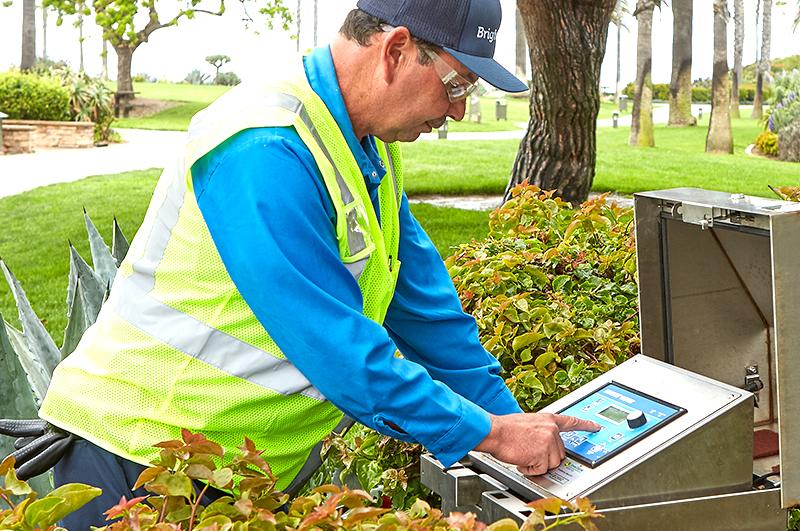
Irrigation can sometimes feel out-of-sight, out-of-mind; after all, the lion’s share of your system is underground. But for our irrigation specialists, water management is something they live and breathe, even in the winter months. They know their jobs are crucial to addressing the Southwest’s persistent drought, a task that requires year-round attention. See how Regional Irrigation Manager James Carr and his teams tackle it head-on.

Wintertime is the Right Time to Improve Irrigation

It’s the first week of the new year, and while most of us are still in a post-holiday lull, James is in California. Given the mild temperatures, few people are thinking about droughts, but for James and our Orange County irrigation technicians and client service teams, it’s very much top of mind. They’re in the midst of a deep dive field training on Preventative Maintenance Irrigation Inspections, fine-tuning how to catch problems before they require costly repairs. 

Though it may seem counterintuitive, winter is the best time to improve irrigation systems. No one wants their irrigation system offline for repairs in the heat of summer. That’s why the teams are hitting the ground running. Not long after, James is off to Las Vegas, then San Diego to run the same training with teams there. James calls it “keeping the pedal to the metal.” There’s no off-season in irrigation.

James Carr conducts irrigation training in the Southwest region.
To prepare for spring, James lead a series of intense, 3-day trainings throughout the Southwest region with a focus on spring start-ups. 

It Takes a Village

Over the years, irrigation has become higher tech and advancements in water management have created the need for specialists. Yet while the drought problem is universal, the knowledge of how to address it is not. Sharing information is critical. 

That brings James to the Arizona Landscape Contractors Association, where he teaches an irrigation training for 50 individuals. They’ve come from landscape companies throughout Arizona.

“All have the goal of raising the bar for our industry and achieving better water management skills,” he said.

James isn’t just leading the class, he’s leading change. He’s a certified board member for the Irrigation Association Certification Board. He also serves as Co-Director of Education and sits on the Board of Directors for the Arizona Landscape Contractors Association (ALCA). What he’ll teach in his class he’s successfully put into practice himself. In 2021, he accepted an Outstanding Landscape Contractor of the Year award from the ALCA

Starting on the Right Foot

With summer approaching, James keeps “the pedal to the metal.” To prepare for spring, he lead a series of intense, 3-day trainings throughout the southwest region with a focus on spring start-ups. Spring start-up refers to the process of de-winterizing an irrigation system. Since irrigation represents a significant investment for many clients, it’s important the system is maintained properly to ensure its longevity. Breaks and leaks aren’t just costly for the client if not caught soon enough, they can also exacerbate drought conditions. 

In this section of the training, irrigation specialists are huddled over their phones, studying intently the content on their screens. While it might look like they’ve found something more interesting than their training, they’re actually wrapped-up in researching the ET-- evapotranspiration-- rates for their area. Evapotranspiration refers to how quickly water moves from the earth’s surface into the atmosphere. They use this information to build irrigation schedules for their clients. James, meanwhile, is excited for those clients. 

“They’re in good hands!” he said proudly, before enthusing about the magic of smart controllers. “If you don’t understand the magic behind them, you’ll never fully appreciate the efficient tool that they are!” Thanks to James and his team, it’s safe to say a lot more people appreciate that magic. And while they may not actually be magicians who can singlehandedly make drought conditions disappear, they’re doing a lot behind the scenes to make them smaller. 

Regional Irrigation Manager James Carr and his teams tackle Irrigation head-on

How to Preserve Your Trees During Drought

How to Preserve Your Trees During Drought Make Trees a Priority in Your Preservation Plan

The trees in your landscape are one of your most valuable assets—aesthetically, environmentally and economically. With one 25-year-old Oak valued at about $25,000, it makes sense to take care of your trees. Unfortunately, the continuing drought makes it tough. Inadequate rainfall causes high salt content in the soil, diminished tree root function and a lack of deep root water. As heat increases and water becomes scarce, foliage gets scorched, branches become brittle and trees fall prey to pests and disease. There is something you can do. Follow the tips below and save your trees from drought’s adverse effects.

Make a Plan

There are a number of things BrightView can do to maintain the quality of your landscape.

  1. Identify high-value trees in your landscape.
  2. Make them a priority in your preservation plan.
  3. Designate diseased or weak trees* for removal.
    *Those that either don’t fit your landscape design or negatively impact visibility of your property.

Water Deeply, Effectively and Efficiently

In times of drought, you need to rethink how you irrigate trees. Take these steps:

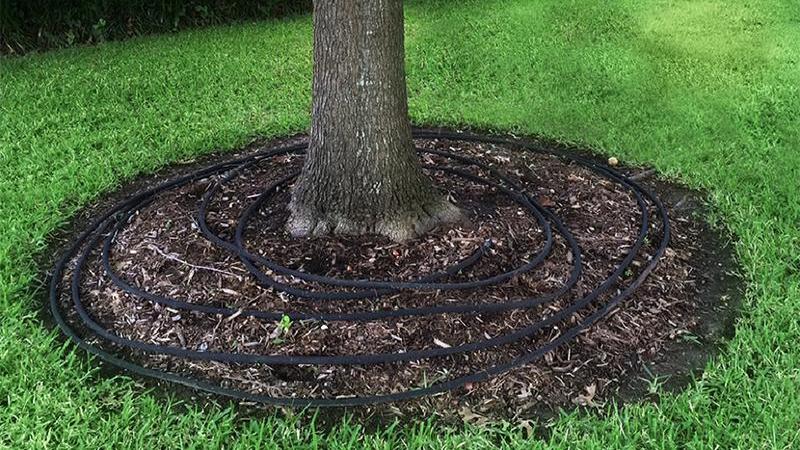
Temporary drip line
Drip lines provide efficient watering delivery directly to the root zone.

Temporary Drip Line

Place a temporary drip line around the outer tree perimeter (especially good for larger trees in turf areas or parking lots).

Deep Water Injection

Perform deep water injection with hydraulically-pressurized water at root depth.

  • Inject with recycled water on trees that can tolerate reclaimed water.
  • Inject with potable water on more sensitive trees such as Redwoods.
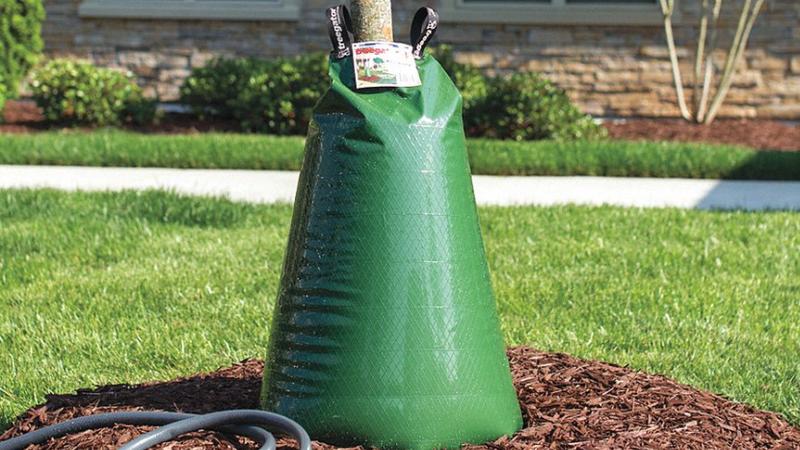
Treegator Bag
Water bags help deliver water deep below the soil without the run-off.

Water Bags

Use water bags (AKA Treegator Bags) on smaller trees or newly established trees not in proximity to irrigation systems. 


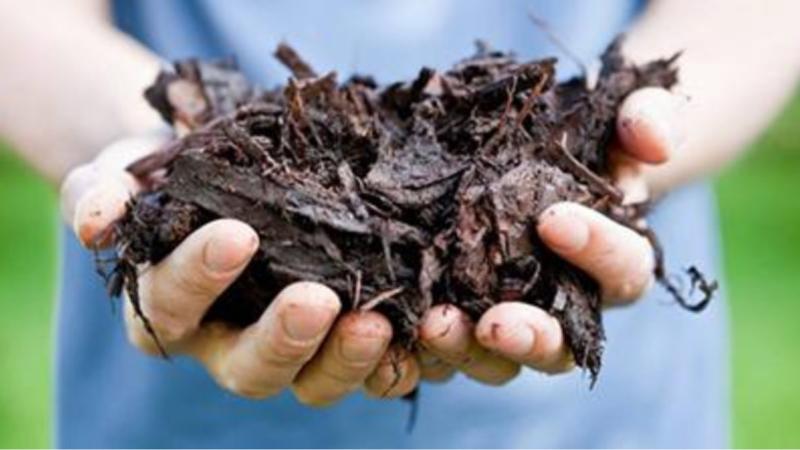
Reduce Water Loss with Mulch

Mulching minimizes evapotranspiration and helps retain water around tree root zones. If you haven’t already done so, mulch your tree wells and remove any water-intensive plants or ground cover from tree root zones. Consider these mulch options:

Mulching minimizes evapotranspiration and helps retain water around tree root zones.
  • Recycled Mulch from Your Pruning Byproducts
    Cost efficient, high water content and nutritional value. Best for non-focal areas.
  • Processed Mulch
    Great esthetic value but cost is higher.
  • Sheet Mulch
    (layered compost, cardboard)
    Good esthetic value for the cost. Highest water retention of the three options.

Use Deep Root Feeding for Vulnerable Tree Species

All trees suffer during drought but some species are especially vulnerable. These species include:

Sequoia sempervirens         
Coastal Redwood
Prunus cerasifera
Purple Leaf Plum
Salix spp., Geijera parvifolia
Willow
Cupaniopsis anacardioides         
Carrotwood
Alnus sp.
Alder
Gleditsia sp.
Locust
Populus spp.
Poplar
Ligustrum sp.
Privet
Betula spp.
Birch
 

Watch for Signs of Decline

You can use the images in the gallery below as a visual guide to keep an eye out for the 5 stages of decline in your trees. (Good > Top Dieback > Discoloration > Dieback - No Growth > Dead). 

Learn More about Smart Water Management

When you conserve water, you’re benefitting your community and the environment at large. If you have further questions on ways to conserve water in your landscape, let us know.

How to Preserve Your Trees During Drought

Maintain a Healthy Landscape During Drought

Maintain a Healthy Landscape During Drought Is Your Landscape Water Smart?

Droughts are challenging but you can count on BrightView to advise you every step of the way. We proactively monitor local city and water agency restrictions ensuring our team is well prepared to assist you.

Your Landscape is in Good Hands

Is Your Landscape Water Smart? Maintain a Healthy Landscape During Drought
BrightView proactively monitors local city and water agency restrictions ensuring our team is well prepared to assist you.

There are a number of things BrightView can do to maintain the quality of your landscape.

  1. Develop a plan based on your property needs and local restrictions.
  2. Complete system inspections regularly to identify sources of water waste as quickly as possible.
  3. Implement irrigation system and component upgrades that increase water savings.
  4. Aerate turf and add mulch around trees, shrubs and planting beds.
  5. Check water levels in soil around important assets like trees which are susceptible to drought.
  6. Prioritize areas that require maximum aesthetic value so water can be applied wisely.
  7. Consider selectively removing or replacing high water use plants and capping non-essential irrigation.
  8. Modify your plant palette and convert fountains to planters.
  9. Evaluate your overall landscape design and how sustainable it is.
  10. Create a short-term and long-term plan to address your property needs.

Every Drop Counts

Our water management experts work with you to develop a plan specific to your property that minimizes water use without sacrificing quality.

Is Your Landscape Water Smart? Maintain a Healthy Landscape During Drought
Subscribe to Drought