
5 Services That Support Soil and Turf Health
Healthy landscapes start with healthy soil



When turf begins to thin, leaves turn yellow or plants start to wilt, it’s natural to focus on what you can see. But many of the conditions affecting your landscape begin somewhere you can’t see. And that’s below the surface.
Healthy soil provides the environment that roots need to access water, air, and nutrients. When soil becomes compacted, nutrient levels are out of balance or moisture is poorly managed, plants can struggle long before you see any warning signs. By the time some symptoms appear, plants may have already been under stress for weeks or months. Taking action before visible symptoms appear can make a big difference.
Fortunately, there are services designed to get ahead of the problem, improving growing conditions and helping protect your landscape investment. Here are five worth knowing.
1. Improve Soil Conditions With Core Aeration
Compacted soil makes it difficult for turf roots to get what they need. Foot traffic, maintenance equipment, and everyday property use can gradually compress soil. This can limit the movement of air, water, and nutrients.
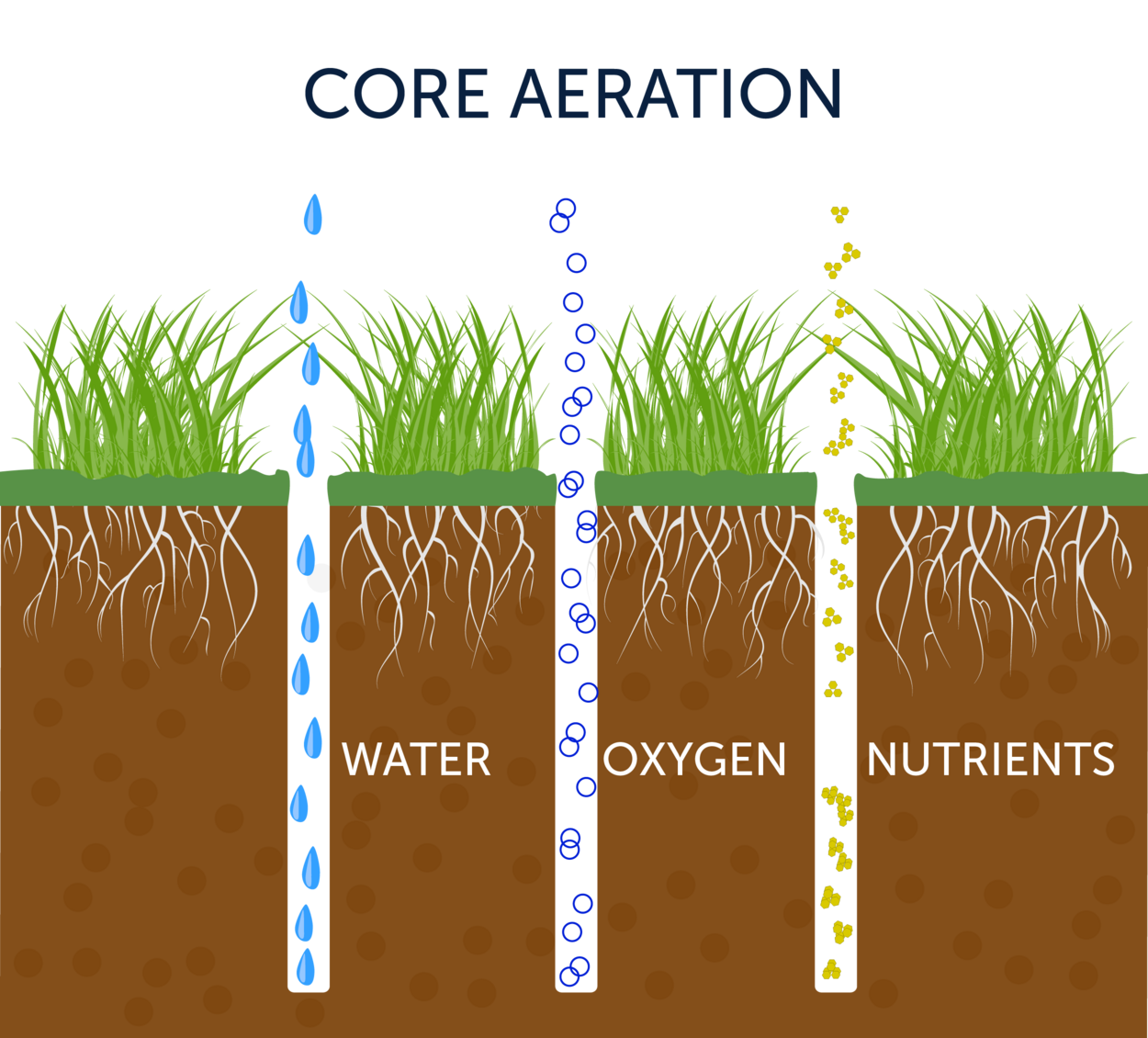
Core aeration helps relieve that compaction. The process removes small plugs from the turf, allowing water and nutrients to penetrate more easily into the soil and giving roots additional room to grow.
2. Correct Problem Conditions With Soil Conditioning
Sometimes healthy growth requires addressing the soil itself. Lime can be used as a soil conditioner when needed. A compound of calcium or calcium-magnesium, lime can counteract the harmful effects of acid soil, which can act as a nutrient blocker.
The right treatment depends on the property, soil and plant material, which is why soil conditioning isn’t a one-size-fits-all exercise. When used correctly, soil conditioning can help address underlying soil conditions better than using fertilizer or water alone.
3. Build Better Soil With Amendments and Organic Topdressing
Soil amendments can also help improve the environment in which plants and turf grow.
Soil amendments are materials added to the soil to improve its physical properties for plant growth. Colorado State University notes that appropriate soil amendments can improve porosity, permeability, aeration, and drainage in clay soils, while helping sandy soils retain more water and nutrients.
Organic materials are one common type of soil amendment. Organic compost, for example, can add organic matter to the soil, helping improve its structure and ability to retain water and nutrients.
Organic mulch can provide similar soil benefits in planting beds as it breaks down, helping conserve soil moisture and protect against compaction.
4. Give Struggling Turf a Fresh Start With Turf Renovation
Sometimes routine maintenance isn't enough.
Poor soil conditions, thatch, weeds, insects, and disease can all contribute to rapidly deteriorating turf. When the damage becomes extensive, turf renovation can re-establish a healthier lawn.
The University of Maryland recommends turf renovation for lawns with “more than about 50 percent weed growth, or when soil conditions over large areas need improving.”
Depending on the condition of the property, renovation may involve reseeding bare areas, overseeding thin turf, or completely re-establishing an area with seed or sod.
Once renovation is warranted, timing matters, too. The ideal season for turf renovation depends on your region, turf type, and growing season. Your lawn service can provide sound advice.
5. Protect Turf With Proactive Disease Management
Identifying the cause of a problem before treating it helps avoid unnecessary applications
For example, a brown patch in a lawn may look like it needs more water, but those symptoms may actually point to a fungal disease, such as brown patch (or large patch), which can become active under warm, humid conditions.
BrightView's landscape maintenance services include pest and disease treatment. We look closely into trouble spots to determine the best solution, keeping a developing problem from becoming a much larger one.
Build Health From the Ground Up
Aeration, soil conditioning, amendments, turf renovation, and disease management solve different problems, but they share one objective. They all give your landscape the best chance to thrive and perform at its best.
The right combination will depend on what's happening at your property. Addressing compaction may be enough in one area, while another may benefit from soil conditioning, an amendment, or a more extensive turf renovation.
Plant Health Care, or PHC, is a great place to start. Your BrightView team will inspect your trees and shrubs, noting their health and location. They can identify risks, help evaluate the services that make sense for your landscape, and develop a proactive approach to protect its health, appearance, and long-term value.
Contact your BrightView team about opportunities to strengthen your landscape from the ground up.


