Mulch or Decomposed Granite?
How to choose the right one for your desert landscape
When it comes to having the desert’s best dressed soil, the biggest question is whether you’ll choose mulch or decomposed granite. Both are worthy options, but each has distinct advantages. In this guide, we’ll cover all the ground: explaining how to evaluate the pros and cons of each, so you can achieve the right look (and function) for your property.
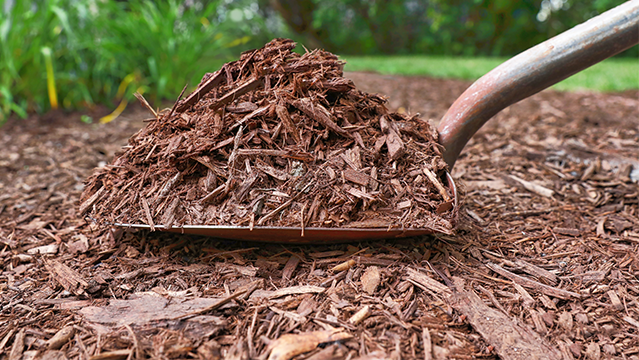
Wood mulch is created by grinding tree trimmings into woodchips.
What is wood mulch?
Wood mulch is created by grinding tree trimmings into woodchips. Then, it’s spread over the ground of your planting beds, ideally at a depth of 2 to 4 inches. Over time, the mulch will begin to break down, releasing nutrients into the soil. Unfortunately, that also means it needs to be periodically replenished to maintain a good layer over the soil.
What is decomposed granite?
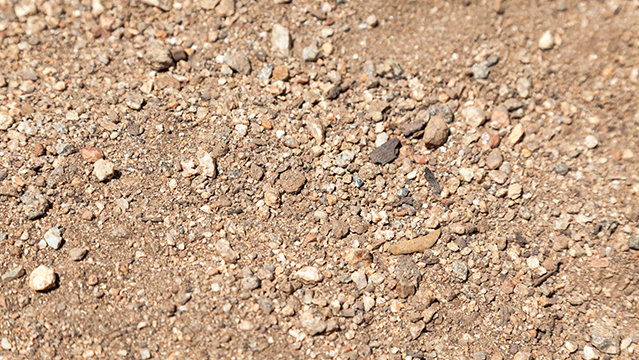
Typically, decomposed granite is a reddish-brown color, but can also be found in gold, white, tan, and grey hues.
Decomposed granite is formed through the weathering of granite, creating a rocky mineral mulch that is smaller than gravel, but bigger than sand. When used for pathways and patios, decomposed granite is installed with a binder that helps it compact into an easily walkable surface. In landscape beds, it’s used without the binder as a mulch. Typically, decomposed granite is a reddish-brown color, but can also be found in gold, white, tan, and grey hues.
So, which is better for your landscape?
A lot depends on the conditions of the area where the decomposed granite or mulch will be applied. These questions will help determine which is right for you:
1. Does the area struggle to retain moisture or absorb a lot of heat? Decomposed granite will retain more heat than mulch, which may cause your soil to run on the drier side. Mulch, on the other hand, can act like a sponge that gradually releases moisture during dry spells.
2. Are termites a problem in your region? In some cases, mulch provides cover for termites who tunnel through the moist environment looking for food. Certain types of wood mulch, like cedar, can repel termites. Otherwise, consider decomposed granite, which will be less attractive to pests.
3. Will you be able to replenish mulch on a regular basis? There’s no getting around it: over time mulch will need to be refreshed. In addition to breaking down, the color will also begin to fade in the hot desert sun. If replacing your mulch on a regular basis will be problematic, decomposed granite may be a better bet.
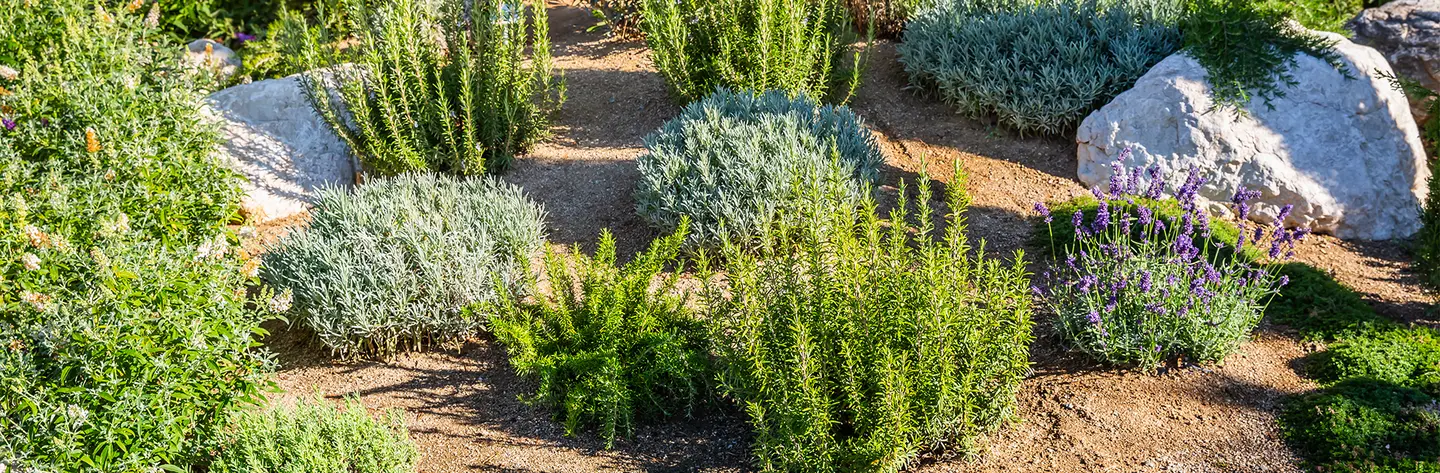
4. What is the aesthetic of your landscape? Decomposed granite has a distinctive look that’s most at home in rustic, southwestern, modern, Mediterranean, and xeriscape landscapes. For more traditional landscape, mulch may be a better choice.
5. Is the area on a steep slope? Mulch is more likely to be displaced by rain and won’t stay put on a slope.
6. Are you worried about the material tracking into buildings or water features? Because decomposed granite is a crushed rock, it has some finer particles that may find their way into entryways and pools. However, this becomes less likely when the decomposed granite is mixed with a binder. Edging and retaining walls add another measure of protection for any type of soil cover.
To sum up the nitty gritty…
There’s no one right or wrong answer for a desert landscape; both mulch and decomposed granite can be great choices when used in the right applications. With the questions above, hopefully we’ve helped steer you closer to the right pick for you. For more help, get trusted advice from one of our knowledgeable experts. Contact us to be connected with your local team. And be sure to sign up for our Dig Into series, to get future tips like these delivered straight to your inbox.
4 Ways to Make Every Drop Count This Smart Irrigation Month
Improve your irrigation performance during peak summer demand
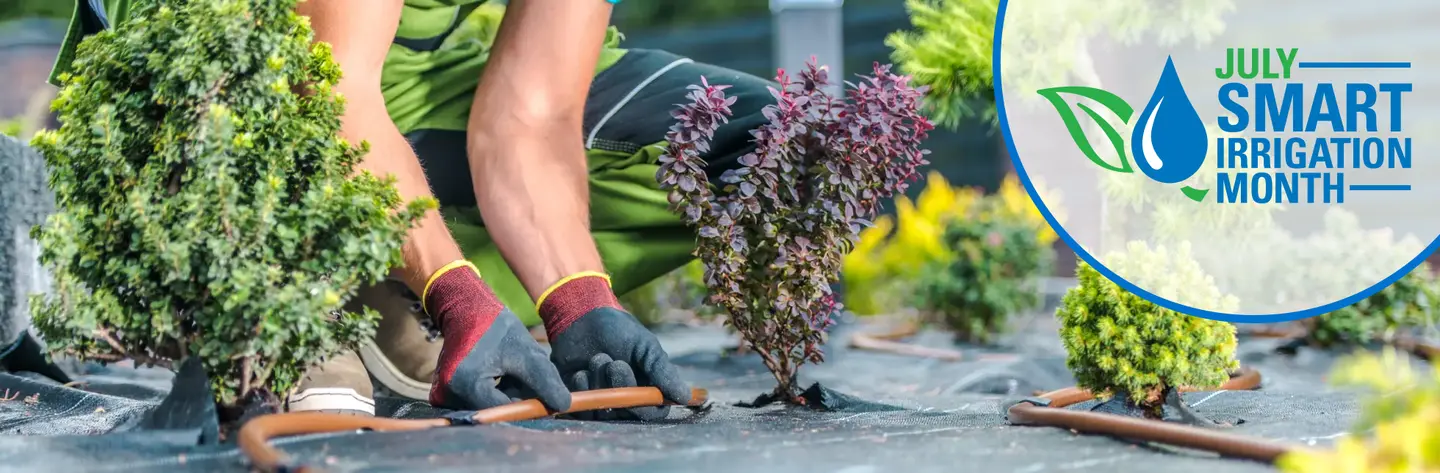
July brings heat, higher water demands, and increased pressure on commercial landscapes. It also marks Smart Irrigation Month, an annual recognition that promotes water-use efficiency and responsible irrigation practices.
Smart irrigation is about applying the right amount of water, in the right place, at the right time. When irrigation systems are properly managed, properties can support plant health, reduce waste, and avoid unnecessary water costs. Whether through routine maintenance, system upgrades, or smarter technology, small improvements can have significant impact on landscape performance throughout the summer.
The good news? Your irrigation system does not have to be a mystery. With the right strategy, smart upgrades and regular attention, your property can stay healthier, more efficient and better prepared for summer conditions.
Here are four ways to make every drop count.
1. Start With a Water Usage Analysis
A properly tuned system helps ensure water reaches the areas that need it without over-spraying sidewalks, parking lots, or buildings.
You wouldn’t make a big decision about your property without the right information and your irrigation system should be no different.
An irrigation analysis can help identify how your system is performing, where water may be wasted, and which improvements could make the biggest impact. This can include comparing current water use with actual plant needs and looking for signs of inefficient watering, such as dry spots, soggy areas, runoff, or overspray.
Summer heat often makes irrigation issues easier to spot. Areas that appear drought-stressed may not need additional water, but improved coverage or system adjustments. Identifying the root cause can help property managers make informed decisions that improve performance while reducing unnecessary water use. For large campuses, HOAs, and commercial properties, an audit can be an important part of annual budgeting and cost reduction planning. An appropriate analysis of water usage can reduce costs by up to 20 percent.
2. Tune Up the System You Already Have
Summer is an ideal time to inspect your irrigation system. Heat makes performance issues easier to see, and even small problems can add up quickly when systems are running regularly.
A smart irrigation tune-up may include checking sprinkler heads, adjusting spray patterns, repairing leaks, clearing clogged lines, and reviewing irrigation schedules. These may sound like simple steps, but they can make a meaningful difference. A properly tuned system helps ensure water reaches the areas that need it without over-spraying sidewalks, parking lots, or buildings.
3. Plan for Heat and Drought Conditions
Smart irrigation also plays an important role in drought preparedness. Drought conditions can create turf stress, thinning foliage, reduced color, and other plant health challenges. We recommend pairing proper irrigation management with treatments that improve water penetration, reduce runoff, support deeper root growth, and help plants use limited moisture more efficiently.
Plant selection is also important. We draw on data from Nevada to Louisiana—our nation’s driest and wettest states—to select plants appropriate for the local environment.
In regions facing water restrictions or prolonged dry conditions, landscape planning becomes just as important as irrigation management. Drought-tolerant plant material, strategic turf use, mulch applications, and efficient irrigation practices can help reduce water demand while maintaining a healthy, attractive landscape.
4. Use Technology to Water Smarter
Smart irrigation technology can help remove some of the guesswork from landscape watering.
Smart irrigation technology can help remove some of the guesswork from landscape watering. Smart controllers adjusts watering schedules based on weather conditions, while rain and freeze shut-off devices and in-ground moisture sensors help ensure plants are watered only when needed.
Additional upgrades, such as drip irrigation, pressure regulation, and flow monitoring, can further improve efficiency by matching water delivery to the needs of specific landscape areas. Drip irrigation is particularly effective in planting beds and shrub areas, where it delivers water directly to the root zone and minimizes waste.
Why BrightView is the Right Partner
Smart Irrigation Month is a great reminder that efficient water management is a year-round responsibility. Ongoing monitoring, system maintenance, and strategic improvements can help protect landscape investments, support sustainability initiatives, and improve long-term performance.
Our irrigation specialists help commercial property owners identify opportunities to reduce water waste, improve system efficiency, and support plant health. From water-use analyses and system audits to smart controller upgrades and long-term planning, our teams can help develop solutions tailored to each property’s needs.
Ready to make your landscape more water smart? Contact us to learn how we can help support your water management goals.
BrightView Helps Bring the Obama Presidential Center to Life
From trees to shrubs, the 19-acre facility is enhanced by BrightView's green thumbprint
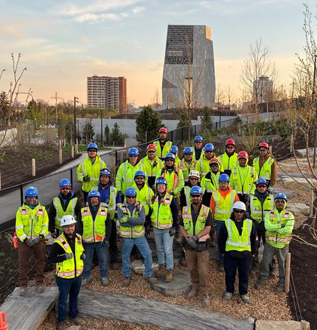
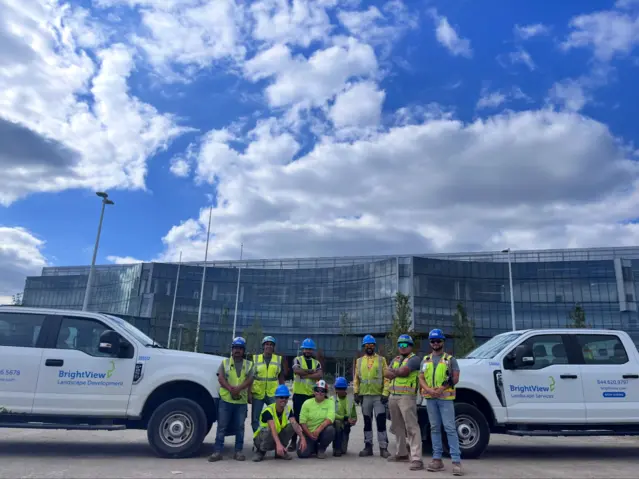
BrightView team members pose in front of the Obama Presidential Center.
When the doors opened at the Obama Presidential Center in Chicago in June, visitors experienced more than a landmark destination. They witnessed thoughtfully designed outdoor spaces that connect people, inspire reflection, and create opportunities for learning and engagement.
Behind those landscapes is BrightView.
As the landscape construction partner for one of the nation's most anticipated cultural projects, BrightView played a critical role in transforming the Center's vision into reality.
From complex site preparation and grading to the installation of trees, plantings, hardscapes, and gathering spaces, BrightView teams worked alongside project partners to create an outdoor environment that welcomes visitors from around the world.
The scale and significance of the project required expertise, collaboration, and an unwavering commitment to quality.
For Shelley Ryan, BrightView’s Operations Manager for the project, her latest work of art represents much more than another successful job site.
"Being part of the Obama Presidential Center has been an incredible experience and one of the most meaningful projects of my career," Ryan said. "Every member of our team understood the importance of what we were building. This wasn't just about creating beautiful landscapes—it was about helping create a place where people can gather, learn, and connect for generations to come. Seeing the vision become reality has been something our entire team takes great pride in."
Throughout construction, BrightView crews worked diligently to deliver landscapes that enhance the visitor experience while supporting the long-term sustainability and functionality of the site. The project showcased the skill, craftsmanship, and dedication that BrightView teams bring to complex, high-profile projects across the country.
The Obama Presidential Center joins a growing list of iconic destinations where BrightView's expertise has helped shape the outdoor environment. As visitors prepare to experience the Center for the first time, BrightView is proud to have played a role in creating spaces that welcome, connect, and inspire—demonstrating the power of great landscapes to bring people together and leave a lasting impression.
Delivering the landscape for the Obama Presidential Center required extensive coordination, technical expertise, and attention to detail. The completed campus brings together thousands of landscape elements into a cohesive environment that supports the project's long-term vision. As landscape construction partner, BrightView helped turn ambitious plans into a finished landscape that will serve visitors for generations to come.
Why You Shouldn’t Wait for Symptoms in Your Plants
Dig Into... Proactive plant health care
Yellow leaves, wilting, and brown spots are all bad news. But what you might not know is that by the time you spot these symptoms, the optimal window to act could have passed. Permanent problems—like damage to the vascular or root systems—may have already taken hold. Let’s dig into why proactive plant health care saves headaches and money.
What You Can’t See Might Hurt You
Those visible signs we mentioned aren’t the first indication of trouble; they’re actually the last result of internal damage. That’s because plants will use energy reserves and make metabolic or osmotic adjustments to try to tolerate the stress. As a result, they’ll stop growing and have compromised defense mechanisms. When you finally see the outward signals, they were likely caused by stressors that occurred months ago.
Getting to the Root of the Issue
In addition to being better for the health of your plants and budget, plant health care supports the health of the environment, too.
While some issues are caused by insects and diseases that attack a plant above the surface, other problems originate below ground. Poor soil is another enemy of plant health, and like the examples above, can be brewing for some time before it rears its head in a visible fashion. Soil compaction, pH issues, and infertility can also appear as slow or stunted growth as plants struggle to get the nutrition they need. Yet all can be easily identified with regular soil testing, a solution that is simple and inexpensive.
The Best Bang for Your Buck: Plant Health Care
Simply put, reactive care is more expensive. It often involves intensive treatments, frequent biological or chemical applications, and the proper removal of diseased or dead plant material. Worse, in situations of advanced decline, it may mean the only option is a complete renovation.
That makes plant health care a relative bargain. Think of it like a self-fulfilling prophecy. When you keep up with a regular plant health care regimen, plants have better nutrient uptake. And in the event of an infection or pests, healthy plants take to treatment better than stressed ones. Best of all, plant health care isn’t elaborate or exorbitant to implement. The key components are quite simple. They include:
Regular monitoring to look for subtle changes in bark or leaf color and early signs of pests or disease
Soil management, like regular aeration, fertilization, and keeping up with mulch applications to reduce weeds, regulates temperature and nourishes the soil
Integrated pest management, specifically proactive, targeted treatments to prevent infestations
Proper watering, ensuring your irrigation system is operating efficiently, and applying water at the rate needed for each zone to avoid the dreaded wet-dry cycles that stress plants
In addition to being better for the health of your plants and budget, plant health care supports the health of the environment, too. By keeping your landscape in top shape and staying abreast of soil health, you’ll need fewer chemical applications and harsh pest controls and only apply targeted amounts of fertilizer when tests indicate it’s needed. Now that’s good news!
Ready to create your personalized plant health program? Get in touch.
Sustainability Takes Root at Ford’s New World Headquarters
BrightView is shaping the campus with sustainable design, green roofs, and thousands of greenery
BrightView’s work for the project includes the installation of green roof systems, irrigation infrastructure, site furnishings, sod, and mulch.
For 70 years, Ford Motor Company has called its iconic Glass House home. The building has long served as its headquarters and the symbolic center of the company’s operations and leadership, but as Ford has continued to grow, it became clear that it would eventually need a new, much larger headquarters that is also designed for the future.
This new home is now taking shape with the development of the Henry Ford II World Center. The campus, located in Dearborn, Mich., will be roughly double the size of the current headquarters and will anchor a larger, redesigned corporate campus intended to support Ford’s next era of innovation. Helping shape the landscape of the new campus is BrightView, whose team is responsible for installing many of the outdoor and shared spaces that will define the surroundings of the new building.
Sustainability and connectivity are central to the project’s design. The campus will feature 12 acres of greenspace, helping create a walkable environment while more than doubling the tree canopy across the site. A significant portion of the plantings are species native to the area, including a wide mix of grasses, sedges, forbs, and ferns that complement the hundreds of trees and shrubs installed throughout the campus.
“Our goal was to create a landscape that feels vibrant, enduring, and welcoming,” said Alexander Malott, BrightView Assistant General Superintendent. “By incorporating native species alongside carefully selected plant material, we’re helping Ford foster a sustainable environment that employees can enjoy.”
One of the defining features of the project is more than 10,000 square feet of interior courtyard space, along with rooftop terraces and landscaped areas surrounding the building’s exterior. These spaces give Ford employees places to step away from their desks, whether to take a phone call, eat lunch, or simply take five minutes for fresh air.
The Ford campus will feature 12 acres of greenspace, helping create a walkable environment while more than doubling the tree canopy across the site.
BrightView’s work for the project includes the installation of green roof systems, irrigation infrastructure, site furnishings, sod, and mulch. Along with trees and shrubs, team members installed thousands of plants and thousands of yards of soil, transforming the site into an environment built for both sustainability and everyday use.
The effort required strong leadership and coordination from across the BrightView team, including Project Manager Tim Winegar and Project Engineer Joe Kidd, who worked tirelessly on different aspects of the project.
“All the elements we worked on was designed to encourage people to connect with nature,” Malott said. “Knowing employees can take a moment to step outside and take in these spaces makes all the hard work worthwhile.”
The project also required careful coordination behind the scenes. With occupancy and security protocols enforced by Ford, BrightView had limited access to the building during construction. Every worker onsite was required to carry a contractor badge and scan a chip to enter and exit the building, making collaboration between BrightView’s management team, Ford, and the project’s general contractor critical to keeping the work moving forward.
“Coordination was a challenge, but it just made the need for collaboration all the more necessary,” Malott said. “It was a true partnership between all the parties and this project wouldn’t have been such a success without it.”
At the height of the project last fall, BrightView had as many as 17 team members on location from the Chicago Development branch, supported by subcontractor crews of five to seven people. Many of BrightView’s team spent weeks away from home to ensure the project would remain on schedule.
The new headquarters celebrated its grand opening in November 2025, though work across the broader campus will continue through 2027. For the BrightView team, the project represents more than just another job, but a chance to help define the backdrop surrounding the next chapter of Ford’s historic legacy.
“This project wasn’t just about creating a landscape, but about shaping an environment where sustainability, beauty, and functionality coexist,” Malott said. “We’re proud to have helped bring Ford’s vision and new headquarters to life.”
5 Ways to Make Sustainability Grow on Trees
Keep your trees in top shape
We hope you enjoyed our 25 easy tips to boost your sustainability, but we’re not done yet! Last, but certainly not least, in our Green Week festivities is Arbor Day, and we’re celebrating with five bonus tips exclusively for your trees. These evergreen best practices will keep your trees and the environment in top shape.
Green Week mascot Oakley shares the BrightView Sustainability badge for you to proudly display.
1. Water Your Trees More Efficiently
If you’re watering your trees with spray irrigation, that valuable water may be landing on the trunk and leaves instead of where it really needs to go. Drip irrigation, reaching out as far as the canopy, applies water where it can sink to the roots. Irrigate in the early morning, around dawn, to reduce water loss from soil evaporation.
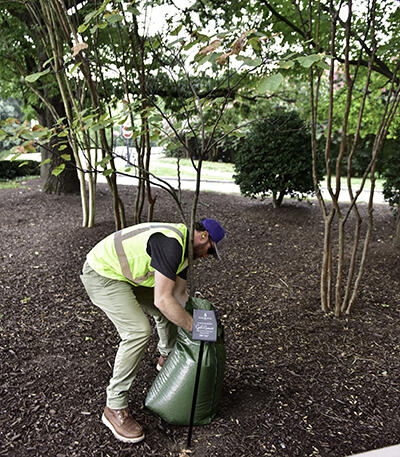
And here’s another tip: to help young trees get established, or to mitigate the effects of drought, consider deep root irrigation. Also known as deep water injection, it’s a service that delivers hydration directly to the root depth, making the most of every drop.
2. Mulch Your Trees the Right Way
Piling mulch up against a tree trunk can trap moisture against the bark, which can lead to fungal infections and disease that require chemical applications to clear up. Not to mention, deep mulch makes a great home for pests.
Correct mulching around a tree should look more like a donut, with space in the middle to keep the tree’s root flare exposed.
3. Don’t Commit “Crape Murder”
“Crape murder” is the term for cutting the top off a crape myrtle tree in hopes of achieving better blooms. However, this is a misnomer. Topping the tree actually delays and diminishesflowering as the tree diverts its energy to regrowth. Worse, topping creates weaker branches, unsightly knobs, and leaves the tree vulnerable to rot, disease, and insect infestations. All of these require the use of more resources, potentially including chemical applications, to help the tree recover. Though we’ve called out crape myrtles here, to be clear, topping is never recommended for any tree.
Using any of these tips this Arbor Day? Download our Green Week badge to display and share your actions with us!
4. Employ Beneficial Fungi
When you plant a new tree, ask your landscape partner to apply a mycorrhizal fungi inoculant to the roots or in the planting hole. Mycorrhizal fungi form symbiotic relationships with many plant families, making them soil superheroes. These fungi can enhance a tree’s nutrient and water uptake, boost resilience to stressors, and improve the soil health. Regularly applying organic mulch and compost can also help support your mycorrhizal fungi population by promoting the conditions it needs to thrive.
5. Give Your Trees Some Compost
Speaking of compost, here’s another reason to make it part of your tree care regimen: it can also increase your soil’s moisture storage. Essentially, compost acts like a sponge, reducing water runoff, erosion, and evaporation from the soil. Most importantly, it makes it easier for trees to withstand periods of drought and could even reduce your frequency of watering. When applying compost, be sure to follow the donut guidance provided above, starting a couple feet from the trunk and extending roughly a foot beyond the tree’s drip line. A layer 1 to 3-inches thick is sufficient.
Which of these tips will you employ this year? Share your picks on social media with our official Green Week badge! And if you need help putting your new sustainability solutions into motion, we can help. Contact us for a free consultation.
25 Little Ways to Make a Big Sustainability Impact
Use these quick tips to become more sustainable at home
Green Week mascot Oakley shares the BrightView Sustainability badge for you to proudly display.
Just like a squirrel collecting acorns, little efforts add up to a big impact. Sustainable changes work the same way. So, we've gathered 25 of our favorite sustainability picks in this handy-dandy article (and flipbook). Pick a few that work for you and watch your impact quickly stack up.
Then, share your commitment on social media alongside our adorable badge. Click here to snag yours.
1. Compost or Mulch Green Debris*
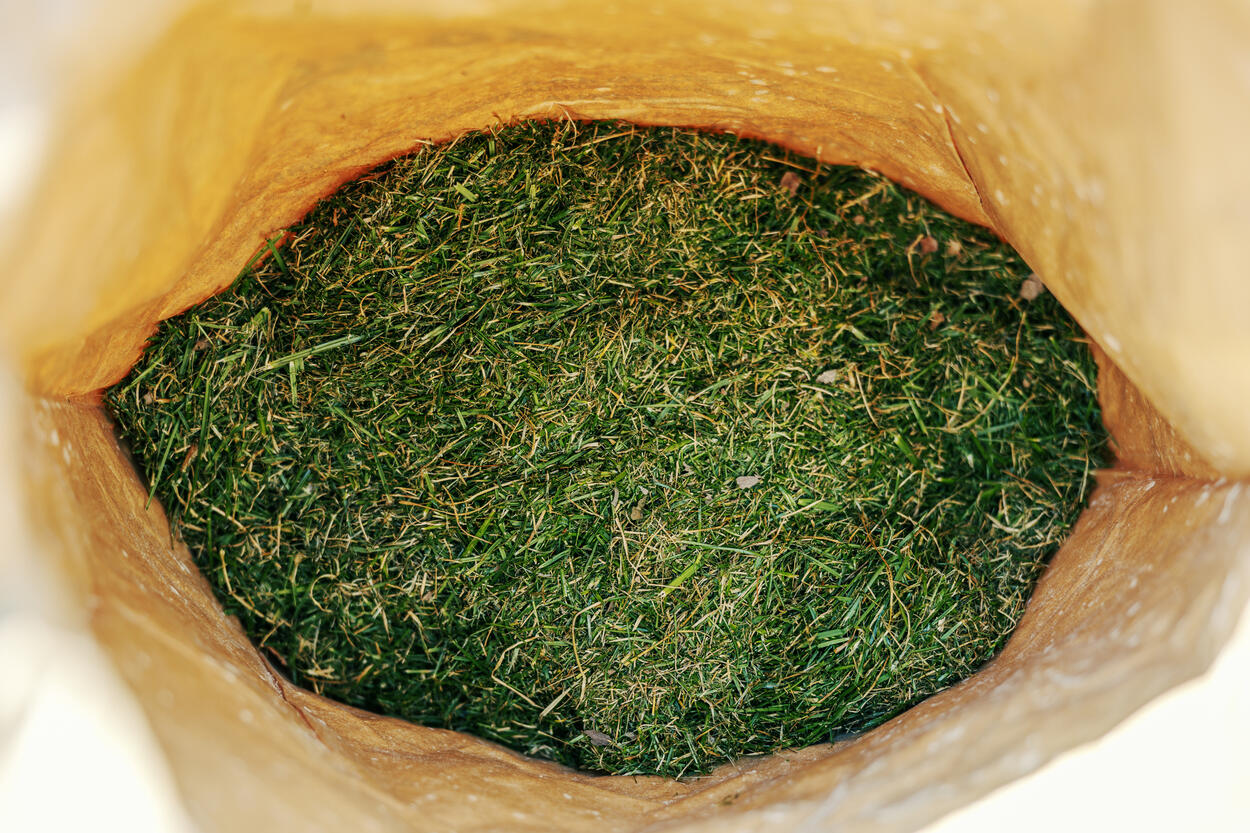
Whether it's tree trimmings or grass clippings, don't send them to the landfill! That green waste can be a source of nourishment for your landscape. Mulching mowers cut clippings into tiny pieces that fall back into the lawn as fertilizer, while chippers turn what was pruned into mulch onsite.
2. Select Native Plants*
When installing a new landscape, or replacing plants in an existing one, make native plants a top choice. Native plants are better adapted to local soil and climate conditions, which in turn means they'll need less water, fertilizer, and pesticides once established. In addition to being lower maintenance, they're often a vital food source and habitat for pollinators and other local wildlife.
3. Utilize Eco-Friendly Pest Management Strategies*
Today, there are many non-toxic pest control options that are safer for the environment and humans. These include natural repellents, biological controls (like beneficial insects) and organic products, which can be used in combination for a more comprehensive solution. Ask your landscape partner how to make these part of your pest management program.
4. Swap Resealable Plastic Bags for Compostables
Many resealable plastic bags are made from polyethylene, a polymer that can take up to 1,000 years to break down in the soil. Worse, it releases microplastics that can be absorbed into crops or water streams. As an alternative, try compostable bags, which are made from plant-based, renewable materials that can degrade in soil in as few as 10 to 60 days, especially if you use a commercial composting service (For more on that, check out No. 15!).
5. Choose Electrified Landscape Equipment*
Don't settle for the status quo. Electrified landscape equipment can match or exceed gas-powered equipment in performance, without the noise and air pollution. For personal use, consider replacing your home equipment with newer electric tools. And for your commercial landscape service, request the use of zero-emission equipment on your property.
Don't throw away your green debris, but instead use it as fertilizer for your lawn.
6. Plant a Windbreak*
If you're looking to reduce heating costs, plant a windbreak. The U.S. Department of Energy estimates a windbreak will reduce wind speed for a distance up to 30 times the windbreak's height, thereby lowering wind chill. Dense evergreen shrubs planted to the north or northwest of your home or building are the most common choice. For greater effect, combine them with a wall, fence, or berm.
7. Make a Meal Plan
Bard University estimates people throw out 1.3 billion tons of food every year—and the majority is sent to landfills. If food waste were a country, it would be the third-largest producer of carbon dioxide in the world. One of the easiest ways to combat this is by creating a weekly meal plan. Treat yourself to an attractive meal planning notebook or convenient app to make your new habit stick.
8. Conduct Regular Irrigation Audits*
Audits weed out the troublemakers in your irrigation system—like hidden leaks, runoff, broken sprinkler heads, and outdated zones or equipment—that silently waste resources and budget. Having a pro check your system once or twice a year will ensure issues are caught early, before they balloon into bigger problems.
9. Use Organic Mulch*
Organic mulch is landscape's ultimate multitasker. It nourishes your soil as it decomposes, suppresses weeds so you need less herbicide, conserves moisture so you can water less, regulates temperature, and prevents erosion. Just be sure to say no to chemically dyed and rubber mulches for maximum benefit.
10. Select LED Lights*
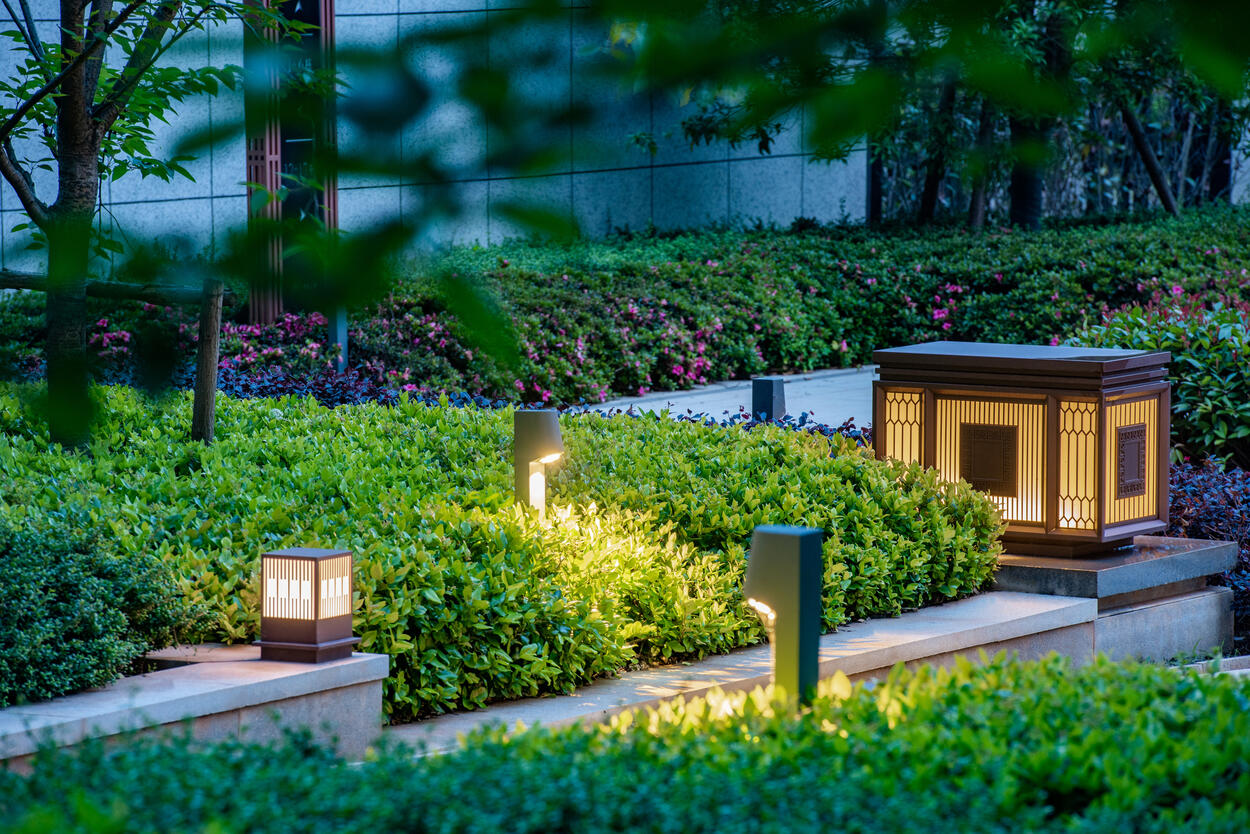
This idea is especially bright. When installing new landscape or holiday lighting, go for LED varieties. You'll enjoy lower maintenance and lower electric bills. LED varieties consume 75- to 80-percent less energy than traditional halogen or incandescent bulbs and can last 50,000 hours or more under normal conditions.
11. Use Controlled-Release Fertilizers*
Controlled-release fertilizers (CRFs) are a win-win for plants and the environment. In addition to providing a steady supply of nutrients that match a plant's uptake rates, they also reduce the risk of leaching into groundwater. And here's another reason to love them: because CFRs last longer, less applications are needed, making them more cost-effective.
Using LED lights in your landscaping will lower your energy use and can last 50,000 hours longer than an incandescent bulb.
12. Plant More Trees*
If you're wondering whether adding more trees to your landscape would be worthwhile, the answer is probably yes. Trees are crucial to combating climate change and improving air quality. Plus, numerous studies show they reduce energy costs for cooling, improve property values, and even boost our mental health. What's not to love?
13. Create a Pollinator Garden*
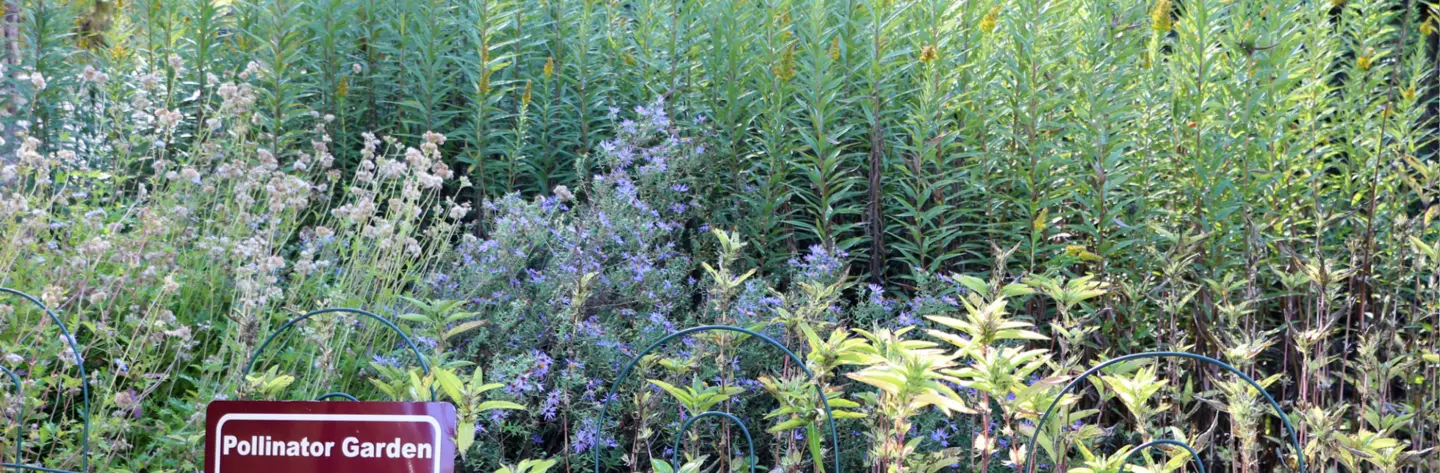
Show some love to your local pollinators and enjoy a riot of color in return. Creating a pollinator garden is easier than you think. Simply select a sunny spot, plant a diverse selection of native flowers, include larval host plants (such as milkweed), and avoid using pesticides that could harm your bees, butterflies, and other beneficial insects. For year-round interest, we like to stagger plants that bloom in each season.
14. Compost Kitchen Waste
Those kitchen scraps aren't trash. They're the start of a nutrient-rich fertilizer for your garden. But that's not the only benefit. Composting your kitchen waste also reduces landfill methane emissions and lowers your carbon footprint. With lots of attractive in-home composting devices now available, it's never been easier (or faster) to start composting. Alternatively, leave it to the pros and hire a service. Search "composting services" in your town to find a provider near you.
15. Update Your Irrigation System*
The latest irrigation technology makes watering your landscape more efficient than ever. By delivering precise amounts of water in the most effective way possible, these solutions can reduce water consumption by as much as 50 percent while boosting plant health. For example, consider swapping older fixed spray heads to more efficient rotary nozzles or drip emitters. Or, if you have a manual controller, it may be time to upgrade to a smart controller, which can adjust watering schedules based on real-time local weather and soil conditions. Not sure where to begin? An irrigation audit (see No. 8) will eliminate the guesswork.
16. Choose Permeable Surfaces*
When it comes to selecting a material for new patios or pathways, choose permeable surfaces when possible. Gravel, decomposed granite, and permeable pavers are just a few examples of more sustainable choices than poured concrete slabs. They allow water to seep into the ground, promoting groundwater recharge and reducing runoff, puddling, and flooding. Bonus: they also filter pollutants through aggregate layers, improving water quality.
17. Conduct Regular Soil Tests*
Periodic soil testing provides a wealth of diagnostic information, including pH levels, nutrient availability, and physical structure. With this information, it's easier to troubleshoot what's ailing your plants and better tailor fertilizer applications and soil amendments. That precision enables a more robust, resilient landscape, and most importantly, reduces unnecessary fertilizer and chemical applications.
Using liquid anti-icers instead of salt reduces chloride runoff in waterways and the soil.
18. Use FSC-Certified Wood*
For wood decks, fences, and other structures, use only Forest Stewardship Council (FSC) certified wood. This timber has been harvested from forests that meet the council's standards for sustainable harvesting, biodiversity protection, and protection of water quality.
19. Create Customized Watering Zones*
Instead of taking a one-size-fits-all approach to watering, consider hydrozoning. Hydrozoning is the practice of grouping plants with similar water needs into designated irrigation zones. This makes it possible to set specialized watering schedules that give each zone precisely the amount of water it needs. Not only does this reduce the risk of over- or underwatering, but it also means less fungal infections and stressed plants.
20. Use Liquid Anti-Icers in the Winter*
Liquid anti-icer applied before ice or snow arrives reduces salt use by approximately 50 percent. That means less chloride runoff into waterways and soil. And, because liquid anti-icers stay where they're applied, damage to vegetation and infrastructure is also minimized.
21. Bring Reusable Grocery Bags
The World Wildlife Foundation estimates plastic bags are one of the greatest threats to ocean wildlife. During the 20 years a plastic bag takes to biodegrade, it will break into increasingly smaller pieces, each with the potential to cause tremendous harm. The best way to combat this is by keeping a stash of reusable grocery bags in your trunk. Not only are they stronger, but there are so many fun options to choose from!
22. Create a Rain Garden*
If you've noticed your landscape has soggy spots after a storm, a rain garden could be an attractive and sustainable solution. When properly designed, a rain garden collects water in a shallow depression, allowing it to percolate into the soil and replenish underground aquifers. Plus, the plants and soil filter out pollutants from the runoff and reduce erosion.
23. Recycle Old Hardscape*
Ripping out old concreate, brick, stone, or pavers? They may have a second life. Many old hardscape materials can be recycled or repurposed, reducing waste and disposal costs. For example, at BrightView, we've used recycled concrete from old walkways as a subbase for new hardscape projects. Find out what's possible for your next project!
Using any of these tips this Earth Day? Download our Green Week badge to display and share your actions with us!
24. B.Y.O.C.
B.Y.O.C.—bring your own cup to the café, that is! It's an easy way to reduce waste if you enjoy a regular coffee treat. Bonus: if it's an insulated variety, your drink will stay hot or cold longer.
25. Convert Your Turf*
Got some unused lawn space? Swap it out for lower maintenance ground cover, or native, drought-tolerant choices that support your local pollinators. You'll save money on watering and maintenance costs. Or, if you're not ready to do away with turf entirely, increase the size of your surrounding planting beds to capture some of the same benefit.
Now that we've lit the spark, let's put your sustainable solutions in motion.
*Psst! Wherever you see this symbol, we can implement the solution for you! It's as easy as a single call.
BrightView Landscapes 2026 Corporate Responsibility Report
A source of pride for every team member
For other BrightView Landscapes stock information or other financial reports, please visit our investor website.
This Corporate Responsibility Report aims to provide a consolidated overview of BrightView’s non-financial performance. Metrics included in this Report cover our activities during the FY2025 (October 1, 2024 - September 30, 2025) period, unless otherwise noted. This Report includes select metrics from the Sustainability Accounting Standards Board (SASB) Professional and Commercial Services industry standard.
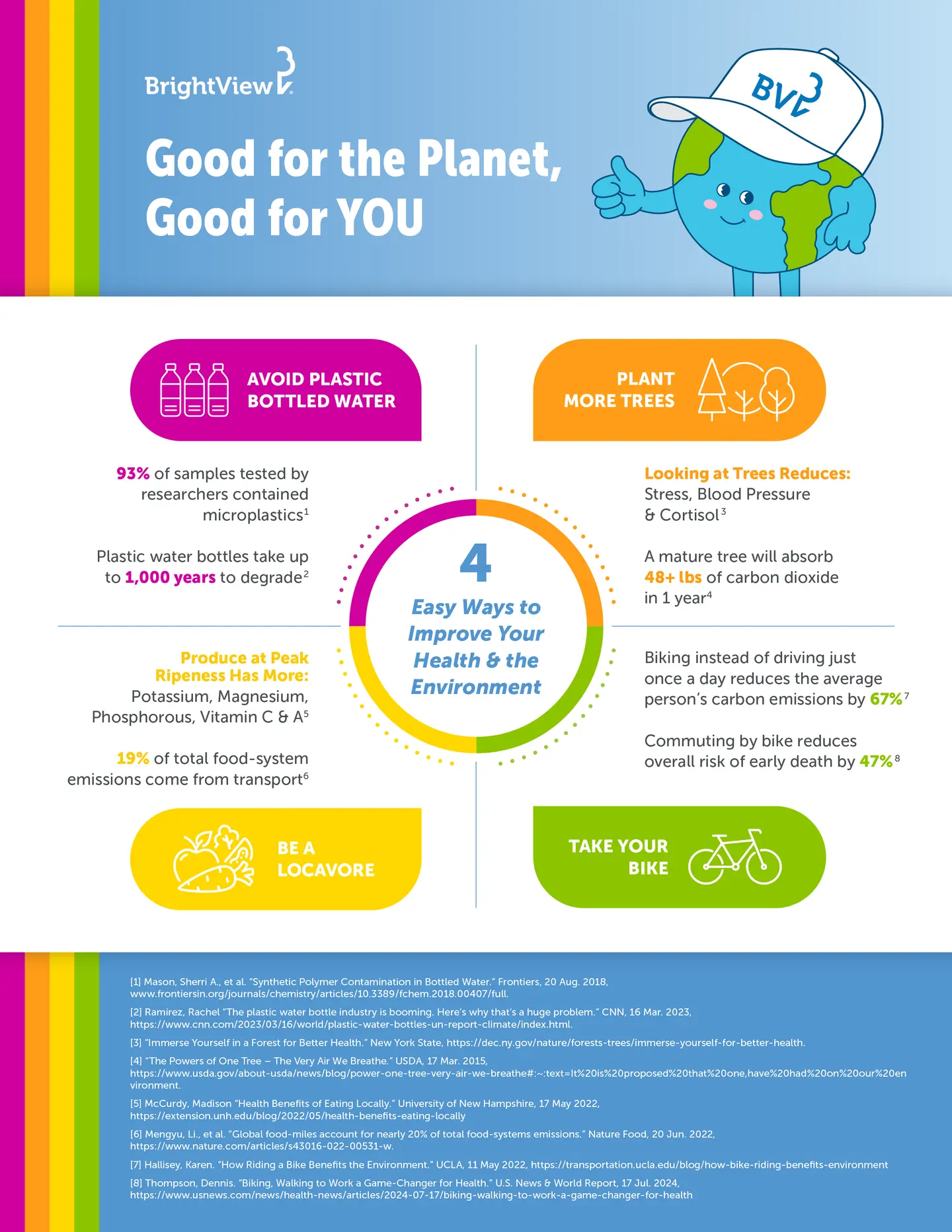
4 Easy Ways to Improve Your Health and the Environment
Fill two needs with one deed! From how you hydrate to how you commute, here are four simple, yet powerful ways you can make a difference for the planet and your personal wellbeing. Reap the feel-good vibes when you give one (or all!) a try this Green Week.