10 Easy Ways to Make Your Landscape More Water Efficient

10 Easy Ways to Make Your Landscape More Water Efficient Simple tips on how to reduce water usage on your property

There are number of ways to reduce water usage on your property. Often, the perception is that you have to make a large, upfront investment for a water management program to pay off. However, there are a number of small changes you can make to your daily and weekly maintenance program that will make an immediate impact on your water consumption. Here are some easy changes you can make today:

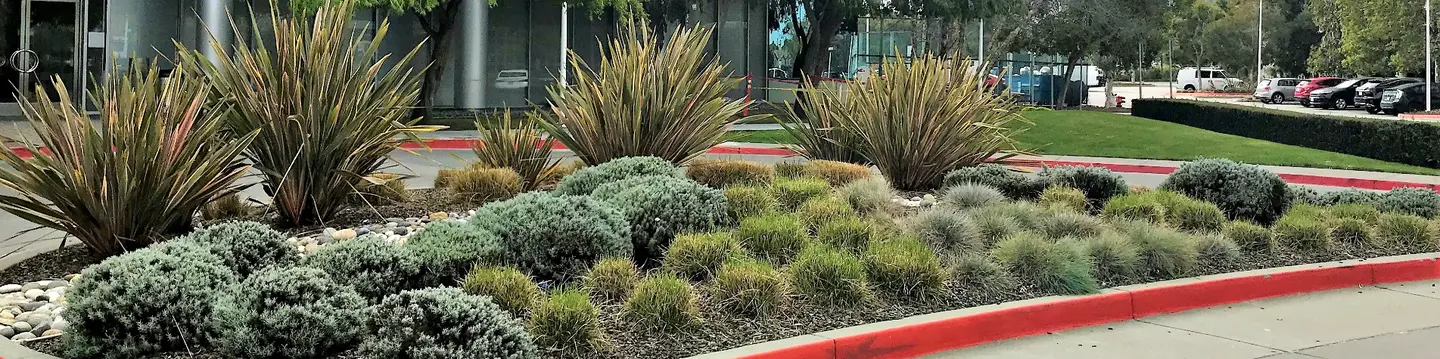
Water Efficient Landscaping
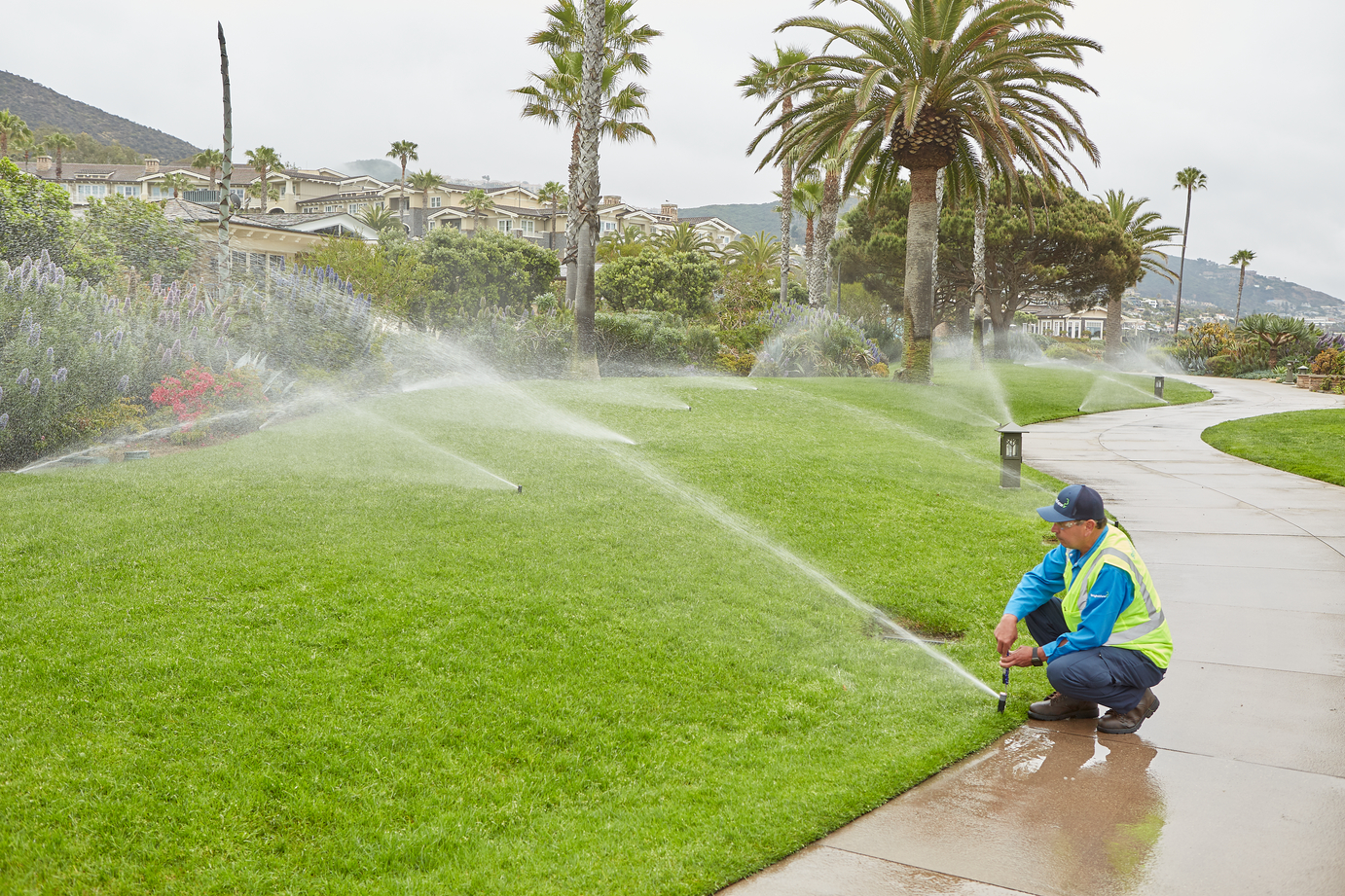
Be sure to adjust sprinkler systems where necessary to avoid water waste.
  1. Water early in the morning, right before dawn. It reduces losses to wind and evaporation.
  2. Water only when needed.
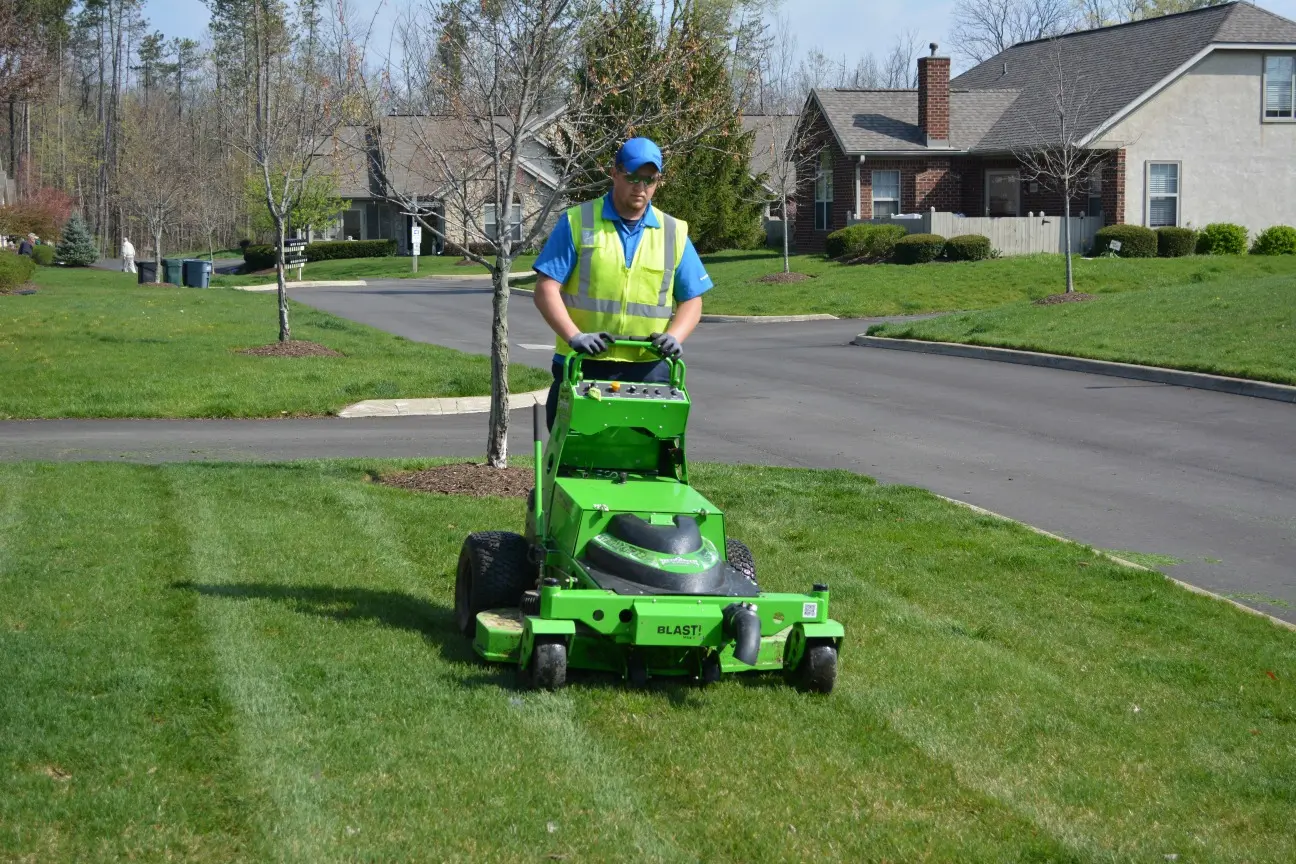
  3. Adjust sprinklers to avoid waste and ensure uniform distribution.
  4. Test the spray patterns of sprinkler systems. Check for clogged lines and mixed nozzle sizes of sprinkler heads and be sure to repair leaks.
  5. Use drip irrigation for ornamental shrubs to reduce water usage.
  6. Install rain shut-off devices or in-ground moisture sensors.
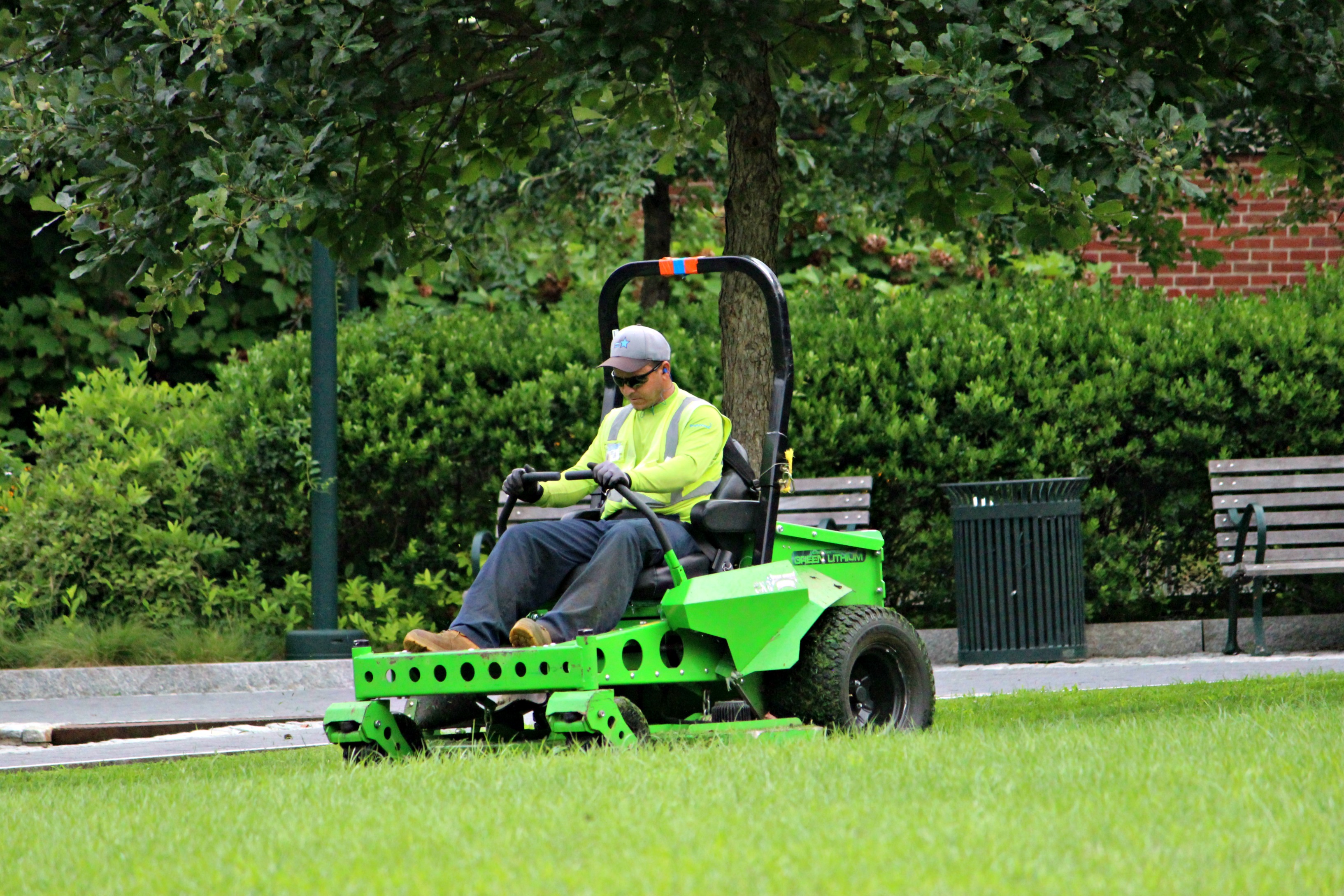
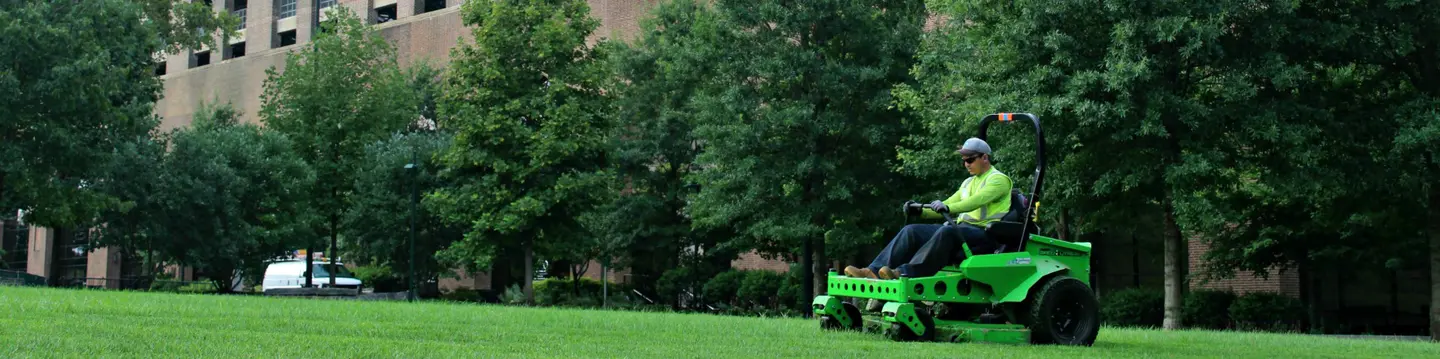
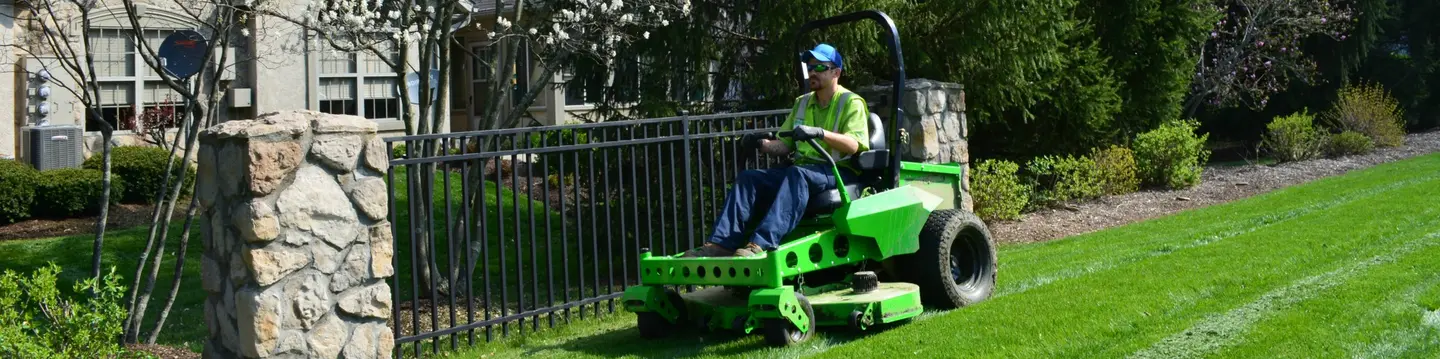
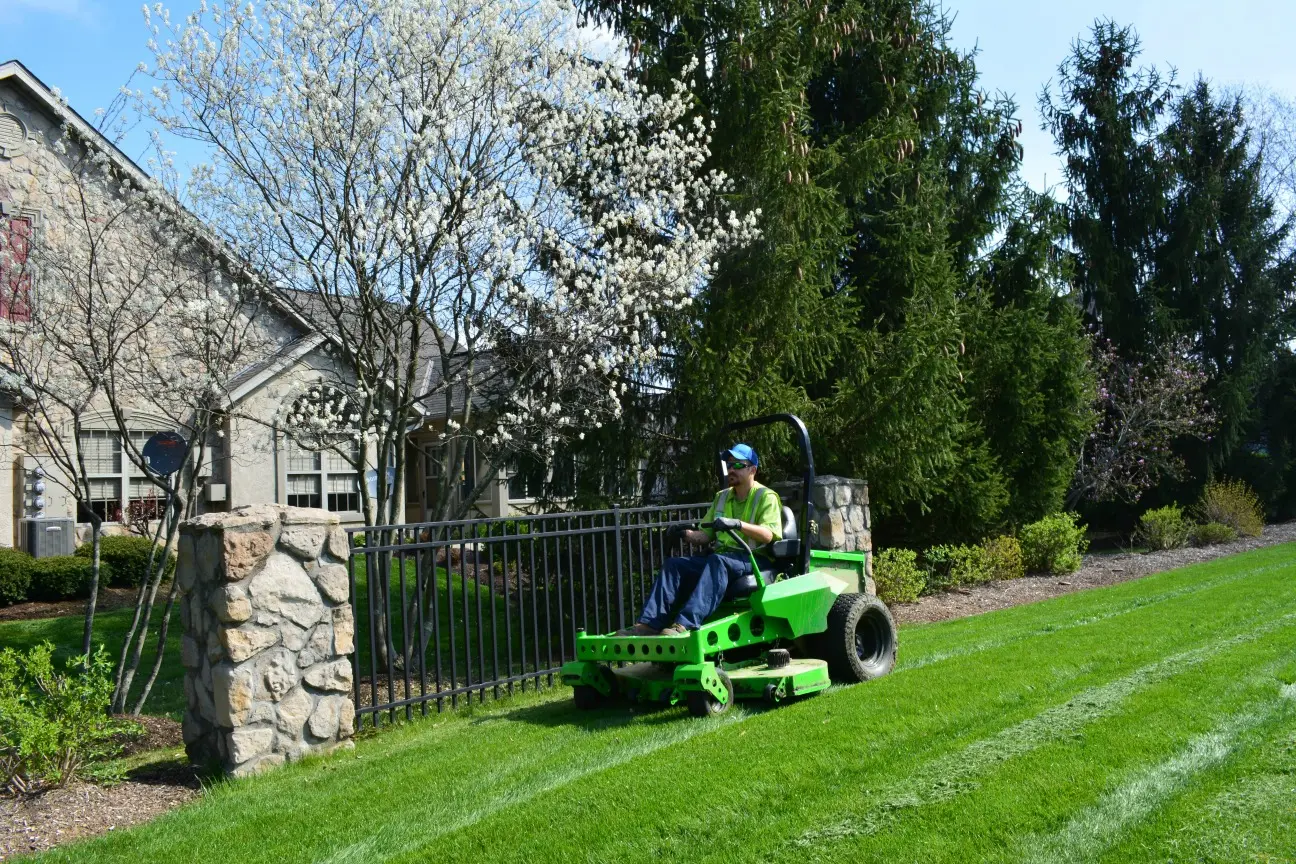
  7. Set lawn mower blades higher to increase ground shade and water retention in the soil.
  8. Mulch around shrubs and planters to reduce evaporation and cut down on weeds.
  9. Use a broom rather than a hose to clean driveways or sidewalks.
  10. Use a hose with an automatic shut-off nozzle.
Water Management

BrightView Installs Innovative Green Roof at Dell Medical School

BrightView Installs Innovative Green Roof at Dell Medical School Industry-leading landscape and snow services company installs experimental space for researchers at University of Texas at Austin
Green roof Texas university BrightView
BrightView installs a green roof of 7,000 individual plants, 500 cubic yards of lightweight soil, and a gravel perimeter as part of a green roof at the University of Texas at Austin's Dell Medical School.

The Dell Medical School at the University of Texas is a building dedicated to the advancement of scientific knowledge. That noble purpose now extends to – of all places – its roof.  BrightView Landscape Development collaborated with Hensel Phelps ConstructionSasaki Associates and the Lady Bird Johnson Wildflower Center to install a 17,000-square-foot green roof above the sixth floor. 

In addition to its aesthetic and environmental benefits, the roof serves as an experimental space for researchers at the Wildflower Center to evaluate materials and methods used on the project through site visits and sensors to monitor the roof’s performance.

The green roof is made up of 7,000 individual plants, 500 cubic yards of lightweight soil, and a gravel perimeter for drainage. BrightView’s team assembled 600-pound sections of pre-cast curbing to create raised beds with varying depths to accommodate plants with larger root systems. These beds and materials were hoisted by crane and a custom tractor lift attachment was used to move materials on the roof. 

“We partnered with Hensel Phelps and were able to use their crane after hours and on weekends to lift our materials,” said John Faske, Assistant Branch Manager at BrightView Development. 

The plan was designed with both aesthetics and function in mind by considering the appropriate spacing needed for the full-size of each plant species. The team used colored irrigation flags to map out planting patterns in 5-by-5-foot grids that each contained six to seven plant varieties. Wildflower seeding was performed afterwards to enhance the plantings. 

"The green roof provides great scenery from higher floors of the building as well as energy benefits and a living laboratory for researchers,” said Jeff Lennon, Senior Vice President at BrightView. “Our team has also installed green roofs in Dallas and San Antonio and is thrilled to see a demand for these projects across the state.” 

BrightView recently completed a similar project at another University of Texas campus and has four other projects in the works including the installation of balcony plantings at Rowling Hall in the next few months. The green roof at the Dell Medical School has been submitted for a TEIL Award from the Texas Nursery and Landscape Association.


BrightView installs green roof, Lawn & Landscape
BrightView Installs Green Roof at Dell Medical School, National Association of Landscape Professionals
BrightView creates 17,000-square foot green roof in Texas, Total Landscape Care
Story Of A Landscape: Logistics Challenges For University Of Texas Green RoofTurf
Development
Innovative Green Roof
Blue Bell - Corporate

More Reasons to Choose a Green Roof

More Reasons to Choose a Green Roof Advantages extend beyond Just environmental

Green roofs are growing in urban and suburban areas and it’s not just a passing fad. It's here to stay, and for good reason. Not only does it look better than a traditional roof, it provides many environmental, functional, and budgetary benefits. Take a moment and learn the many advantages green roofs offer.

Smart Stormwater Management

Green roofs moderate the flow rate of stormwater, reducing the runoff so less water is directed into storm drains and sewer systems. The plant material used for green roofs absorbs stormwater, releasing it back into the air through condensation and filtering the heavy metals in rainwater.

Typically, green roofs intercept between 15 and 90 percent of rooftop runoff, depending on the type of growing medium and plant cover.

Better Roof Durability

Think of a green roof as a shield for your roofing material. It makes sense when you consider that the lifespan of a roof is determined by the materials used to construct it and those materials' ability to withstand UV light, the contraction and expansion that naturally occurs with temperature changes, and damage by wind or storms. By installing a green roof over your roofing system, you're protecting it from the elements.

Summer and Winter Insulation

During the hotter months, green roofs offer insulation against the heat. This is because green roofs release moisture as part of the natural evaporation and transpiration that occurs with the roof's plant medium. Think of it like a large "swamp cooler" pad draped across the roof, easing the heat and helping reduce air conditioning costs. During colder months, green roofs absorb heat from the air, keeping the building warmer and helping to lower heating costs.

Urban Heat Island Mitigation

Developed cities have their own climate and it's generally warmer than the less developed surrounding areas. This is called the urban heat island effect. Green roofs help mitigate this effect with its inherent evapo-transpiration capacity. In other words, the natural processes which take place in the roof's plant material offer a cooling effect on the ambient outdoor temperatures. In combination with tree- and plant-filled landscaping, a green roof can greatly help reduce urban island effect, making today's increasingly hotter summers more bearable for all.

Increased Bio-Diversity

With every new building and development, we're eliminating our natural environment and with it go plant and animal life, as well as the soil matrix, essential to the overall health of the environment. By planting a green roof, you're enabling beneficial animals and insects to do their jobs, pollinating food crops, controlling pest populations, dispersing seeds, or just making our day more wonderful with their presence. Carefully selected plant material for your green roof can help recreate lost natural environments and support biodiversity.

Effective Sound Insulation

Green roofs are good sound insulators. The growing medium on a green roof reduces lower sound frequencies, while the plants block higher frequencies. Taken in tandem, these elements help create a more peaceful environment for all who work or live in the building.

Enhanced Urban Aesthetics

Green roofs are beautiful architecturally. It hides less attractive rooftops, antennae and HVAC elements, and offer a visual respite from the hard surfaces of urban life. Green roofs also instill the feeling of calm that comes with surrounding one's self with nature.

Good Long-Term Value

It's true — green roofs require a large investment in the beginning, but over time, it is are more cost efficient than most other roofing alternatives. Green roofs can last up to 50 years and offer up to 50 percent in savings for heating and cooling as opposed to traditional roofing systems. Property values can also be favorably impacted for buildings with green roofs.

So, yes, green roofs are great for the environment, but the benefits it offers can extend far beyond just that. 

Water Management
More Green Roof Reasons

BrightView Cares for, Replants Century-Old Saguaros in Arizona

BrightView Cares for, Replants Century-Old Saguaros in Arizona Industry leading landscape and snow services company salvaged plants during widening along Pima Freeway
BrightView replanted almost 400 saguaros saved during roadway construction.
BrightView replanted almost 400 saguaros saved during the widening of Pima Freeway's Loop 101 in Arizona. Hundreds of new saguaros, thousands of trees and shrubs, and hundreds of ocotillos were also planted along the 11-mile roadway.

Improvements to Arizona's Pima Freeway put thousands of trees and cactus, including some older than the state itself, in jeopardy. Loop 101, which runs along Scottsdale's eastern border, has been widened as part of the state’s Department of Transportation’s (ADOT) $74 million improvement project for 11 miles of roadway.

Along the project’s path, between Shea Boulevard and the Red Mountain Freeway, were thousands of cactuses and trees, including mature saguaros believed to be older than the state itself.

BrightView was tasked with helping to save these extraordinary cacti, the largest and perhaps most iconic cactus species in the desert Southwest. BrightView salvaged almost 400 saguaros, along with golden barrel cacti, ocotillos, and ironwood trees. The plants were stored and cared for them in two separate nurseries for two years while the road improvements were underway.

Now, with the Pima Freeway project nearing completion, BrightView has been replanting the 1,000 saved plants.

“This restoration work is challenging, but also very rewarding because many of the saguaros are more than 100 years old and it’s great to have them in place as an iconic symbol of Arizona,” said ADOT Landscape Construction Supervisor Richard Adamson.

BrightView replanted almost 400 saguaros saved during roadway construction.
BrightView was able to salvage more than 1,000 saved plants, including saguaros, barrel cacti, ocotillos, and ironwood trees, during the two-year construction period along Loop 101.

BrightView also planted 200 new saguaros, more than 1,000 new trees, more than 7,500 new shrubs and nearly 300 new ocotillos to go along with 166 miles of wire, and more than 800,000 square yards of granite mulch.

“I was grateful to be a part of such a unique and challenging project,” said Bret Beitz, Senior Project Manager with BrightView Landscape Development. “The opportunity to save and replant over 1,000 trees and cacti doesn’t happen often in our industry. Chances are that anyone who lives in the Phoenix area had the opportunity to see all of our salvaged trees and saguaros standing shoulder-to-shoulder as they drove down the Loop 101 Freeway.”

The majority of the additional plants added along the freeway are a drought-tolerant, desert species, including Agave americanas (American aloe), Justicia californicas (hummingbird bushes), and Baileya multiradiatas (desert marigolds).

“Our guys are the best in the industry at salvaging the saguaro cactus,” Beitz said. “It’s amazing to watch how efficient and professional they are at moving these giant, awkward living things. They truly deserve a lot of credit for such a successful and important project for both ADOT and the Phoenix BrightView team.”

I was grateful to be a part of such a unique and challenging project. The opportunity to save and replant over 1,000 trees and cactuses doesn’t happen often in our industry.
- Bret Beitz, BrightView Senior Project Manager


Development
Content Hero Image
Replanting Saguaros

BrightView Enterprise Solutions Manager Visits China to Present on Sustainable Landscaping

BrightView Enterprise Solutions Manager Visits China to Present on Sustainable Landscaping Dominic Desiderio gives presentation on importance of landscape planning at Chengdu University of Information Technology
BES China 1
Dominic Desiderio, third from right, visited Chengdu University of Information Technology in China to give a landscaping presentation.

Dominic Desiderio, Market Manager at BrightView Enterprise Solutions, recently visited the Chengdu University of Information Technology in Chengdu, China, to give a presentation titled “Sustainable Landscaping: Making a Difference around the World.” The lecture focused on the importance of landscape planning and the ability of plant and tree species to absorb pollutants and naturally control the greenhouse effect.

“The passion we share in this industry is about so much more than landscaping,” said Desiderio. “Our industry has a direct effect on our environment and the legacy that we leave our children and generations to come.” 

This is the second time Desiderio has made the trip to China to meet with researchers and present on this topic, and he’s used his own personal time to do so. This year, Desiderio presented to the Landscape Architecture and Horticulture Departments and the Department of Environmental Sciences, which included more than 100 professors, faculty and students.

“It’s very humbling to meet so many young researchers who are dedicated to this change and (in) identifying plant species that naturally absorb pollutants more than others to help the environment,” said Desiderio. “We have the research; the challenge in China is how they find ways to bring these findings to fruition in the industry.” 

Desiderio discussed recent legislation in the U.S. and China and acknowledged the industry’s opportunity to lead these trends at the ground level rather than waiting for government action. The lecture ended as Desiderio took questions from the audience. 

“The excitement is there and I look forward to continuing the research and believe our clients here at home will take interest as well,” said Desiderio.


Adding More Curb Appeal While Increasing Sustainability

Adding More Curb Appeal While Increasing Sustainability Achieving sustainability within numberous microclimates

THE CHALLENGE

Twelve Acres, Many Microclimates, and One Big Request

Located on 12 acres with sweeping views of the Chicago skyline, Woodfield Corporate Center has been serving tenants since 2007. Business was good, but General Manager Edie Scurto knew it could be better.  

In 2009, she contacted us to help her make Woodfield's grounds more appealing and also more environmentally sustainable - no small feat given that the property has several microclimates, rooftop gardens, a pond, and walking trails.


THE SOLUTION

Re-Plan, Re-Think for More Efficiency, Better Conservation

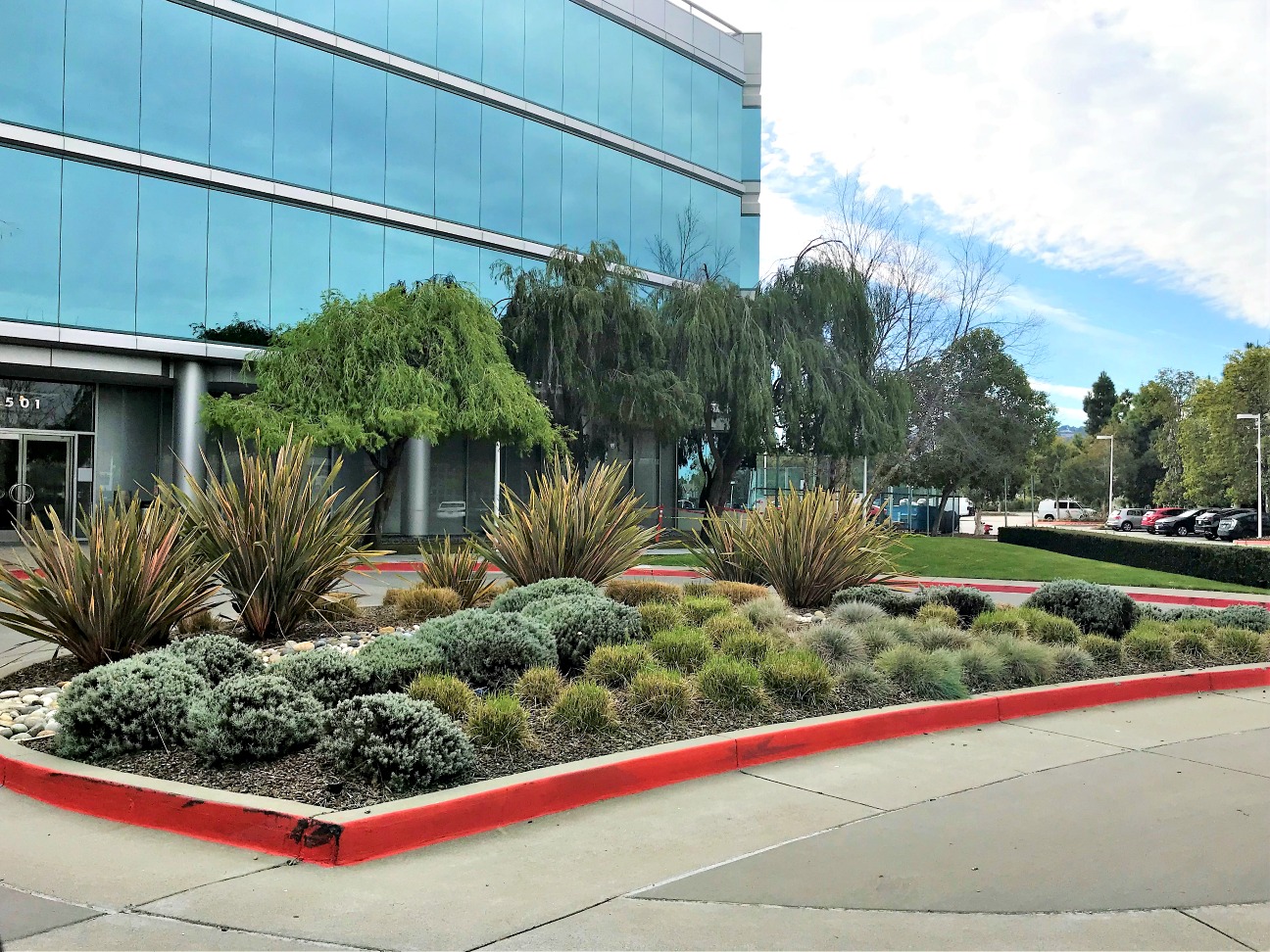
Working closely with Scurto, we developed a plan of action to implement more sustainable practices property-wide, including the use of mulching mowers, compost, and organic fertilizers. Invasive species were removed and waste was diverted to a composting center. To reduce water use, our irrigation expert did an irrigation audit and improvements were made to the existing system one section at a time. The watering schedule was modified for less waste, flowerbeds were made smaller, and xeriscaping and native plants were added to keep the aesthetic level high and water consumption low. 

Our team also manages the pond, which feeds into a nearby forest preserve, and with runoff in mind, used a predominately organic turf program. The pond water is treated to reduce algae and other invasive weeds while ensuring the health of fish and other pond life. Turf mowing is done in a specified pattern to reduce the amount of organic matter that would normally get into the water and thus require additional treatments. 

A green roof of sedum, planted and maintained by our team, reduces the heat radiating from Woodfield's underground parking structure. The addition of living walls on the structure helps reduce heat transfer and regulates the temperature on the concrete, extending the life of the structure and keeping the interior courtyard cooler for tenants to enjoy. 


THE OUTCOME

Newly Sustainable Landscaping Reaps Awards, Draws Tenants

Through collaboration and innovative thinking, our team and Woodfield's property management company have created an award-winning sustainable landscape with great curb appeal. 

Woodfield has won seven awards in the last five years, including the 2014 Gold Award for Excellence in Sustainable Landscape Maintenance from the Illinois Landscape Contractors Association, and another award for Best Maintained Landscape from the Village of Schaumburg, where Woodfield, along with many other Class-A office buildings, is located.  

Scurto was pleased with the work. She noted, "The landscaping is key to setting the impression for what lies behind the doors. As a result of the new landscape and the awards, brokers are taking notice, which definitely improves our occupancy rates."

Maintenance

How Sustainability Can Benefit Your Landscape and Your Budget

How Sustainability Can Benefit Your Landscape and Your Budget Greener landscapes can be a smart investment

Making more sustainable choices for your landscape can have a positive impact on the environment, those who use or live on your property, your landscape crew, and your budget. 

Here are a just a few reasons to go green:

  • Reduced labor, water, and fertilizer costs and lower hauling expenses and disposal fees thanks to composting, mulching, and recycling.

  • Less exposure to workmen's compensation claims as a result of crew lifting heavy loads of plant material.

  • Grasscycling (a mowing method that results in natural recycling of grass clippings), composting, and mulching return valuable organic material to the soil, which in turn increases the soil's water-holding capacity, reduces erosion, and conserves water.

  • Proper watering, fertilizing, and pruning, along with integrated pest management practices, encourage healthier, disease-resistant plants and reduce the amount of toxic run-off entering storm drains and polluting watershed, creeks, lakes, and rivers.

  • Making more organic choices in landscaping products and fertilizers reduces the amount of chemical exposure to maintenance crews and those who work, live, or play on or near your property.

  • Working with experts and doing a Sustainability Audit can help create a strategic, cost-efficient approach focused on long-term benefits.

  • In addition, LEED®-certified consultants can help you ensure best practices for any landscape/hardscaping initiatives you undertake and help you earn your LEED credits.

The benefits add up, not to mention the social and consumer response to your efforts. People are noticing brands that go green, according to Nielson, and they are willing to pay up for more sustainable options. So, when you’re planning your budget for your next project or fiscal year, consider greener possibilities.

Maintenance
Sustainable Landscape Benefits
Subscribe to Environmental